Stagnation or Rebirth? The Fork in the Road for Botswana’s City Breaks
Botswana is a global safari powerhouse, but its urban centers are facing a structural crisis. Travel consultant Omphemetse Molatakgosi argues that stagnation isn’t a death sentence—it’s an invitation to reimagine what our cities can sell.
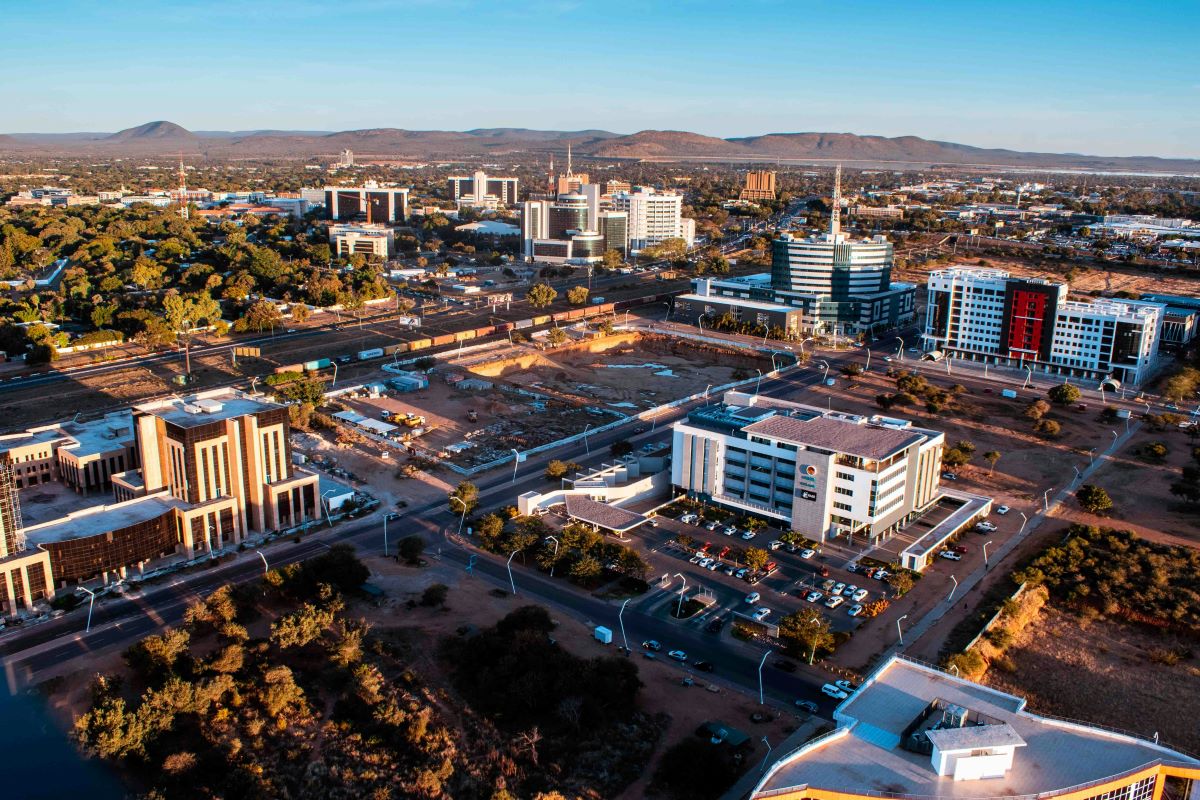
In popular imagination, Botswana is a land of shimmering deltas and wild riverfronts. It is the gold standard of African conservation tourism—high-value, low-volume, and meticulously managed. But away from the dust of the game drives, in the air-conditioned lobbies of Gaborone and Francistown, a different story is unfolding. One characterized not by abundance, but by a quiet, creeping stagnation.
This is the concern raised by Omphemetse Molatakgosi, a sustainable tourism advisor and conservation professional whose recent analysis of the sector cuts through the noise with academic precision and industry urgency. By applying Butler’s Tourism Area Life Cycle (TALC) model, Molatakgosi reframes the current downturn not as a temporary slump, but as a predictable stage of development: stagnation.
The Vulnerability of the Single Pillar
The core of Molatakgosi’s argument exposes what we might call the “Safari Trap.” While the wildlife sector remains resilient, Botswana’s urban tourism rests on dangerously few legs.
“We have experienced significant tourism development… particularly through our internationally recognised wildlife and safari industry,” Molatakgosi notes. “However, urban tourism appears to be facing challenges associated with stagnation.”
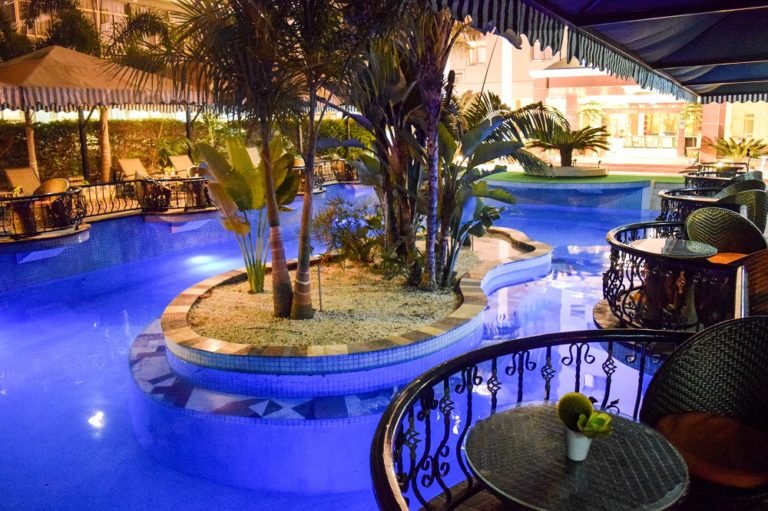
The vulnerability lies in dependence. Urban hotels in Botswana have historically relied heavily on the MICE sector—Meetings, Incentives, Conferences, and Exhibitions. When corporate budgets tighten or global connectivity shifts to digital screens, the impact is immediate. Hotels restructure; staff face redundancy; suppliers lose orders. Unlike the leisure traveler who comes specifically for the Okavango experience, the business traveler is fickle, driven by economic tides rather than passion for the destination.
From Accommodation to Experience
Molatakgosi’s diagnosis is sharp, but his prescription is even more vital. He argues that the solution requires a fundamental shift from selling accommodation to selling experience.
“Botswana needs to look beyond traditional accommodation and develop stronger urban tourism products,” he asserts.
The potential is there, often sitting right under our noses. Gaborone offers the Gaborone Game Reserve, a green lung within city limits that few visitors ever seek out. There is the National Museum, holding narratives of Tswana heritage and resistance. There is a culinary scene waiting to be packaged into guided tours, and a growing arts district hungry for foot traffic. Yet, these assets remain fragmented, unconnected by a cohesive narrative that would motivate a visitor to stay three nights instead of one.
The Domestic Opportunity
Perhaps the most resonant part of this analysis is the call to look inward. Molatakgosi highlights the untapped power of domestic tourism.
“We also need to encourage more domestic tourism and create products that motivate visitors to stay longer and spend more within our cities and towns,” he writes.
For a continent where the middle class is increasingly eager to explore its own backyard, the lack of curated “staycation” products is a missed economic opportunity. If a family in Maun cannot find a compelling reason to visit Gaborone for a weekend, why would an international visitor extend their trip beyond the bush?
The Fork in the Road
Butler’s model suggests that after stagnation comes a choice: decline or rejuvenation. Molatakgosi places the agency squarely on the stakeholders.
“I believe the solution requires stronger collaboration between government, hotels, tourism businesses, communities and destination marketers,” he states. “We need innovation, better tourism packaging, stronger marketing and continuous investment in experiences.”
This is not just a critique of hotel occupancy rates; it is a manifesto for resilience. A diversified tourism economy—one that values a museum exhibit as much as a lion sighting—is a sustainable one.
As Molatakgosi concludes, the signs are visible. The question now is whether the industry has the foresight to act before stagnation hardens into decline. The cities are waiting for us to notice them.
Omphemetse Molatakgosi is a Travel Marketing Executive and Sustainable Tourism Advisor blending conservation expertise with strategic destination management. With a Diploma in Travel Management and a BTEP Certificate in Tourism, he specializes in helping African destinations pivot from stagnation to rejuvenation through diversified, community-focused tourism products.