
Ahead of ARDA 2026: The Questions That Will Define Africa’s Energy Future
But which framework is bankable? Independent SAF & Jet A-1 strategist, Bernard Omboto Onguso posits the questions Africa’s energy room should be asking…
As the African Refiners & Distributors Association (ARDA) convenes in Nairobi for its Storage, Distribution and Jet Fuel Forum, the industry is gathering to debate the pillars of Africa’s energy future. The agenda rightly spotlights storage, quality, harmonization, pricing, technology, and supply chains.
The speakers are experienced. The topics are necessary. But there is a gap in the record. It is the layer beneath the pillars—the layer that makes everything else bankable.
The Missing Layer
The frameworks that turn high-level conversations into bankable outcomes—ISCC-EU Low-ILUC feedstock integration, HEFA refining localization, FID Readiness Standards, gateway concession structuring, and the Resilience Standard—are rarely documented in a form that refiners, investors, and policymakers can actually use.
These are the frameworks of sovereign energy architecture. They are not project finance; they are the layer beneath it. Project finance completes the journey. The sovereign framework paves the road.
The Demand Anchors
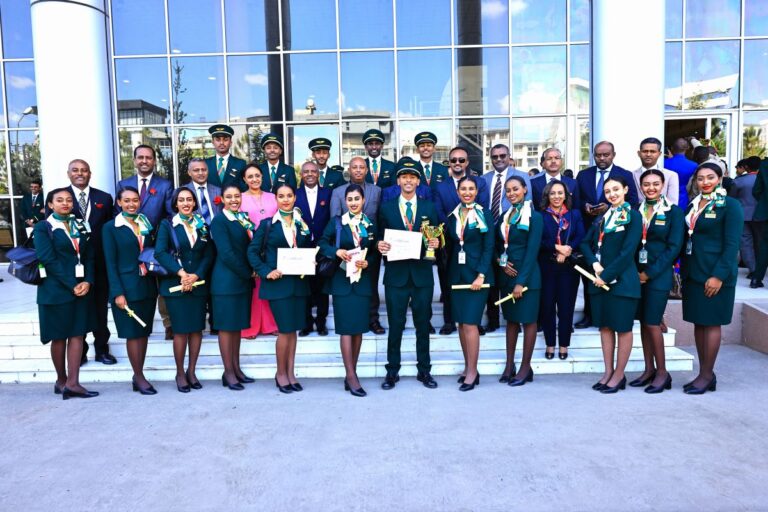
For Africa’s carriers — Ethiopian Airlines, Kenya Airways, RwandAir, Royal Air Maroc, EgyptAir, Air Peace, ASKY, TAAG Angola, South African Airways, Airlink, and the new Bishoftu International Airport (BIA) — these questions are not abstract.
They are the cost of fuel. They are the reliability of supply. They are the future of their fleets and the opportunity for African refiners. The carriers are the demand anchors. The refiners are the supply. The frameworks are the bridge.
The Questions the Room Could Address
Ahead of the forum, here are the questions that should be added to the existing agenda—panel by panel.
For the Financing Panel:
- What is the FID Readiness Standard for the six additional refineries ARDA says Africa needs?
- How do you structure the $100B+ refining investment without a standardized bankability framework?
For the Jet Fuel & Refining Panel:
- How does HEFA refining localization reshape the African supply chain?
- What is the feedstock sovereignty model for the continent?
For the Supply Chain Panel:
- How does the Resilience Standard enable cross-border harmonization across 46 fuel standards in 54 countries?
- What is the ISCC-EU Low-ILUC integration pathway for African feedstock?
For the Infrastructure Panel:
- How do you structure storage as a strategic asset, not a cost centre?
- What is the gateway concession model for integrated energy infrastructure?
For the HSE Panel:
- How does JIG compliance fit into the sovereign framework?
The Overarching Question:
- But which framework is bankable?
The Frameworks Are Published
These execution architectures are codified in the Fueling African Aviation Trilogy:
- Volume I: The Definitive Guide — Energy autonomy, Low-ILUC feedstock integration, and SAF self-sufficiency.
- Volume II: The Deal Maker’s Guide & Execution Manual — HEFA refining, gateway concessions, and multi-modal corridors.
- Volume III: The Convergent Economy — Bankability OS: Five Gateways, FID Readiness Standard, Resilience Standard, TARBOX, IP Decoupling, and the 2050 Mirror Test.
The frameworks are published in service of Africa—and through Africa, the world.
The Mission
Every layer of this work is in service of Africa—and through Africa, the world. The questions are the beginning. The frameworks are the answer. The demand anchors are waiting.
But which framework is bankable?
Bernard Omboto Onguso is an independent SAF & Jet A-1 strategist with over 30 years of refinery-to-wing experience at Eni, Shell, and TotalEnergies. He is the author of the Fueling African Aviation Trilogy and the founder of the Global Investor Portal at fuelingafricanaviation.com. He was a panelist at ILA Berlin 2026, representing Africa on SAF.
🔗 fuelingafricanaviation.com
🔗 kitabukonnect.com
🔗 The Trilogy on Amazon