One Market, One Plate: The Case for Cultural Diplomacy in African Tourism
An editorial analysis of Ropafadzaishe Mushoorwa’s argument that Africa’s tourism future will be built at the table, not the terminal.
There is a persistent habit in African tourism planning of treating culture as scenery. It is what you drive past on the way to the lodge. It is the thirty-minute village dance scheduled between the airport transfer and sundowners. It is preserved, performed, and then politely stepped over on the way to the real product — the wildlife, the falls, the view.
Ropafadzaishe Mushoorwa, a hospitality and tourism specialist and Women Ascension Fellow, thinks this is not just lazy but economically self-defeating. And she has an unusually good vantage point from which to say so.
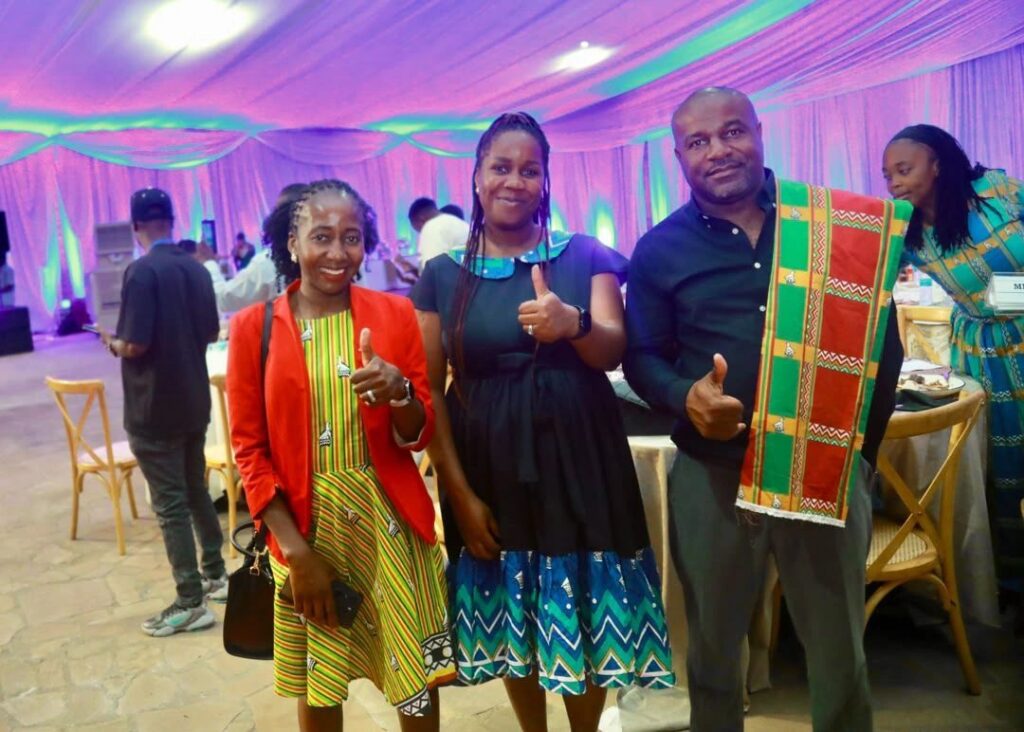
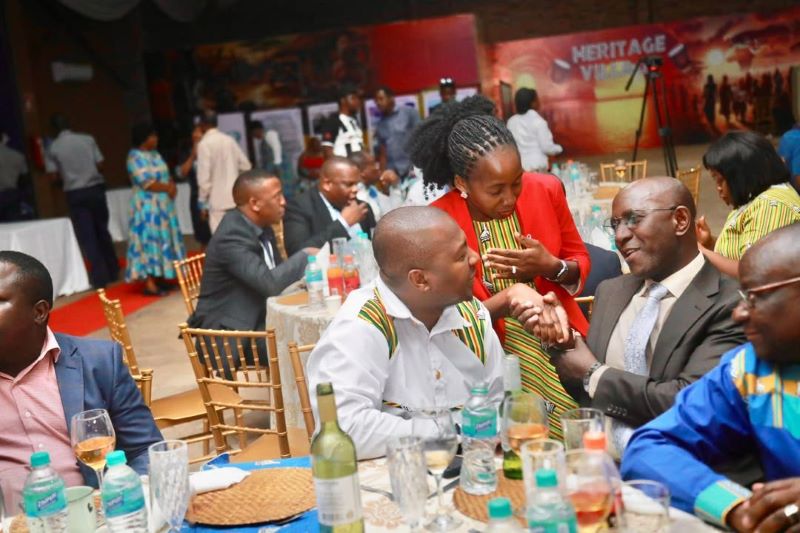
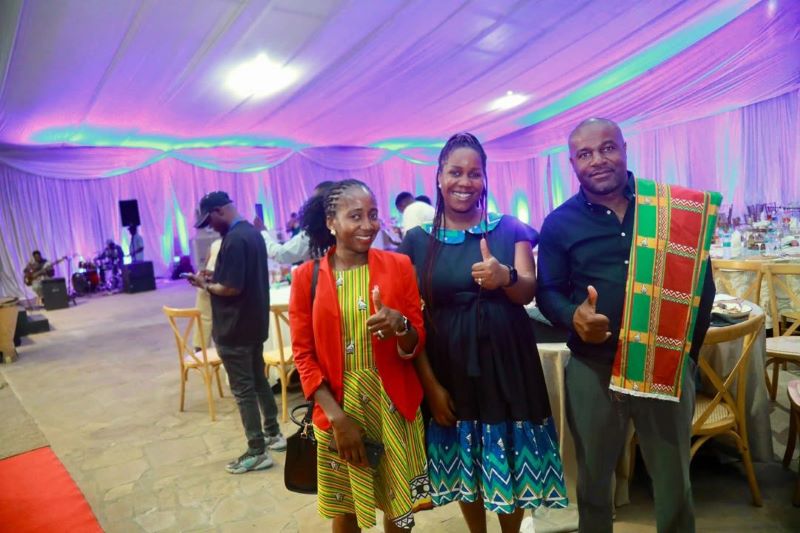
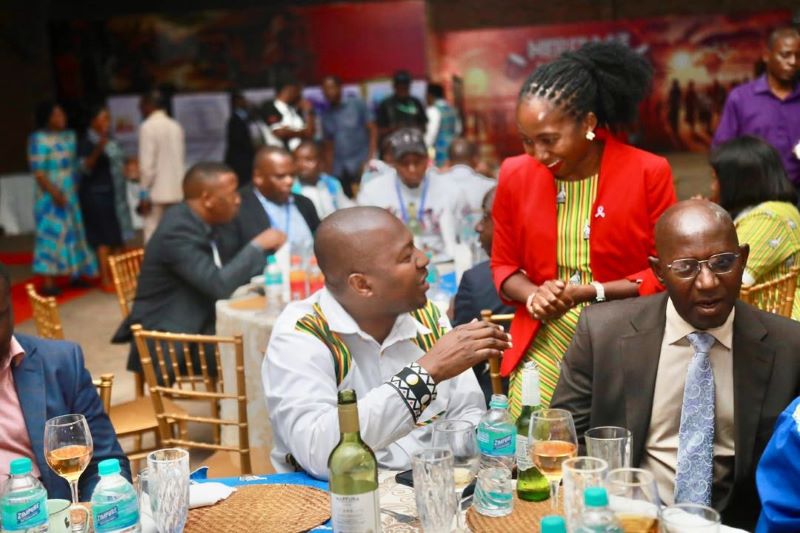
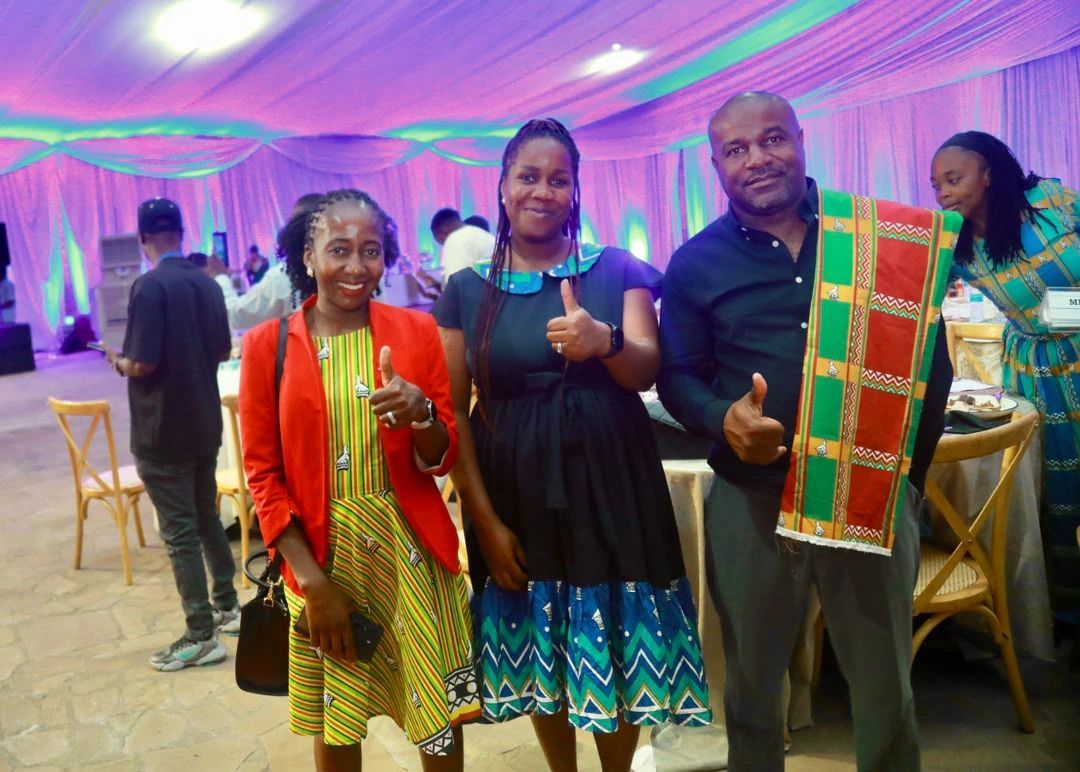
Writing on her LinkedIn page after attending the COMESA Cultural Dinner at Heritage Village — hosted by Zimbabwe’s Ministry of Tourism and Hospitality Industry and the Zimbabwe Tourism Authority during the regional summit — Mushoorwa puts forward a thesis that is deceptively simple: “Our culture is more than heritage; it is an economic asset.” The distinction matters more than it sounds.
From Preservation to Packaging
Heritage language is defensive. It speaks of safeguarding, of protecting, of not losing something. Mushoorwa’s framing is offensive in the strategic sense. “Our culture is not only something to preserve,” she writes, “it is something we can develop, package and share with the world.”
That verb — package — is doing considerable work. Packaging implies a value chain. It implies someone designed the experience, priced it, distributed it, and captured margin from it. And crucially, it implies a decision about who captures that margin.
This is where her argument sharpens from celebration into critique. “Beyond the celebration lies an even greater opportunity,” she observes, “turning these cultural assets into sustainable livelihoods for our communities.” Her list of connective tissue is deliberate: gastronomy tourism, accommodation, local agriculture, creative industries, community-based enterprises. A single visitor meal pulls in the farmer, the transporter, the cook, the potter who made the bowl.
“When visitors experience our culture, the benefits should extend beyond the event or destination to the people who keep that culture alive.”
Note the exactness of beyond the event. Too much cultural tourism is extractive in miniature: a fee paid once, a photo taken, a bus departs. Mushoorwa’s proposition is that culture should function like an industry rather than an interlude.
She is not shouting into a policy vacuum. Zimbabwe’s Cabinet approved a National Gastronomy Tourism Strategy (2026–2030) mid-year, explicitly identifying gastronomy as a “priority high-value tourism product” whose guiding principles include preserving culture while “promoting inclusivity through empowering women, youth and persons with disabilities.” Tourism investment rose 229 percent to US$132.3 million in the first half of 2026. The state has written the intention down.
Mushoorwa’s contribution is to insist that the intention gets translated into products owned by the people whose identity is being sold. “The opportunity is to move from simply showcasing our heritage to building viable tourism products around it,” she writes. The distance between those two phrases is where most African cultural tourism schemes quietly die.
The Table as Diplomatic Instrument
If the first half of her argument is economic, the second is geopolitical — and considerably more interesting.
“Sometimes, the most meaningful connections between nations begin around a table,” Mushoorwa reflects. From there she makes a claim that tourism ministries routinely print on brochures but rarely fund: “Tourism is much more than travel, accommodation and attractions. It is also a powerful instrument of cultural diplomacy and regional integration.”
It is worth pausing on why this is unfashionable. African tourism marketing has spent two decades competing — each destination jostling for a slice of the same long-haul dollar, running near-identical campaigns promising untouched wilderness and warm smiles. Intra-African travel remains stubbornly low, strangled by airfares, visas and fragmented marketing.
Mushoorwa wants that inverted. “The COMESA vision of ‘One Market, One Future’ should also inspire us to think beyond national boundaries when developing and marketing our tourism products,” she argues, calling for regional itineraries, connected destinations, strengthened cross-border travel, and visitors experiencing multiple countries in one trip. Then comes the line that should be pinned above every tourism board’s strategy wall:
“Rather than viewing our neighbours only as competitors, we should recognise them as potential partners in building a stronger African tourism industry.”
KAZA Proves the Concept — Which Is Exactly the Problem
Her evidence is the Kavango-Zambezi Transfrontier Conservation Area, and it is a strong pick because it removes the objection that regional cooperation is theoretical. KAZA spans roughly 520,000 km² where Angola, Botswana, Namibia, Zambia and Zimbabwe meet, encompassing 36 proclaimed protected areas including national parks, game reserves, forest reserves, community conservancies and wildlife management areas. It is the largest land-based transfrontier conservation area on earth.
Five sovereign states agreed to market and manage a shared landscape as a shared asset. If elephants and watersheds can be governed cooperatively across five flags, the case for doing the same with cuisine, craft routes and heritage circuits is hard to dismiss as naïve.
Which raises the uncomfortable corollary to Mushoorwa’s optimism: KAZA exists precisely because everyone else hasn’t done it. Conservation had international funding bodies, biodiversity treaties and climate finance pushing toward transboundary logic. Culture did not. It got left to national tourism boards with national budgets and national egos.
What Her Argument Actually Demands
Read together, Mushoorwa’s two reflections form a coherent position rather than two conference recaps. She is arguing that African tourism needs to stop treating its own identity as a backdrop and start treating it as infrastructure — something with supply chains, ownership structures, training pipelines and export markets.
Her closing question is deliberately unresolved: “How can we preserve our identity while creating meaningful economic opportunities from it?” That is not a rhetorical flourish. It is a genuine tension. Package culture too aggressively and you hollow it out; refuse to package it and you leave its custodians poor while others monetise it for them. There is no clean answer, only continuous negotiation — which is why she frames it as a question “we must continue asking ourselves.”
For now, she locates the responsibility squarely on practitioners. “Our responsibility is to create experiences that not only satisfy guests but also connect people, open doors for business and contribute to regional prosperity.”
And her final line is less a conclusion than a challenge to every destination marketer reading it: “Africa’s greatest tourism opportunity may not lie only in what each country offers individually, but also in what we can achieve together.”
The COMESA dinner at Heritage Village was, in her telling, a small demonstration of that principle — delegates from rival markets eating the same food, applauding the same drummers, discovering that the neighbour they had been briefed to compete against was actually the partner they had been missing.
The plates have been cleared. The question Mushoorwa leaves behind is whether anyone intends to build an industry on what was served.
Ropafadzaishe Mushoorwa is a hospitality and tourism specialist and climate change practitioner based in Masvingo, where she manages operations at Lodge at the Ancient City. She serves as Zimbabwe Chapter Leader for Climate Friendly Travel and is the Masvingo Regional Representative for the Hospitality Association of Zimbabwe. A consultant on the Great Zimbabwe Monument Rehabilitation Programme and a part-time lecturer in tourism and hospitality, she writes on culture, climate and the economics of African destination development. She is a Women Ascension Fellow.