New MoU Aims to Deepen Regional Tourism Integration Between Botswana & Mozambique
The Botswana Tourism Organisation and Mozambique’s ANDITUR have signed a Memorandum of Understanding spanning investment, marketing, research and skills development — with multi-destination “safari-and-beach” itineraries at its heart.
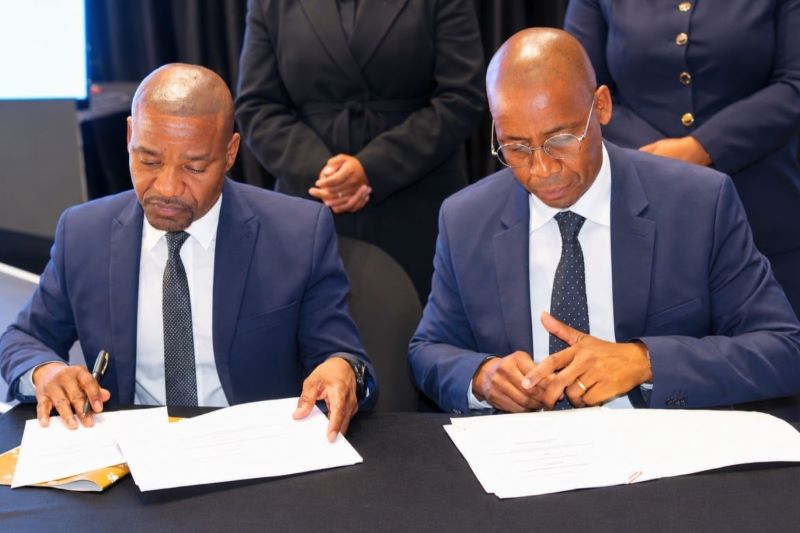
Gaborone — The Botswana Tourism Organisation (BTO) and Mozambique’s National Agency for Tourism Development and Investment, Public Fund (ANDITUR, PF) have formalised a new chapter of cooperation, signing a Memorandum of Understanding (MoU) aimed at strengthening ties and unlocking shared tourism opportunities between the two nations.
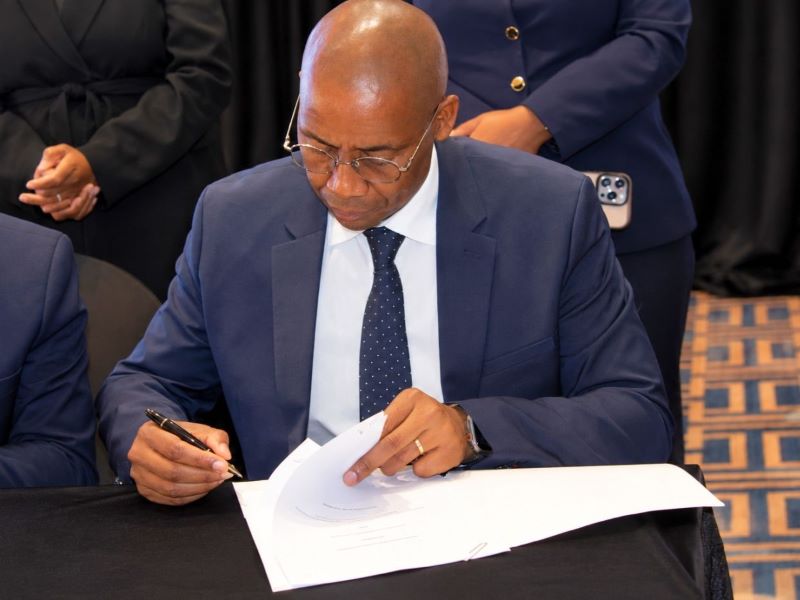
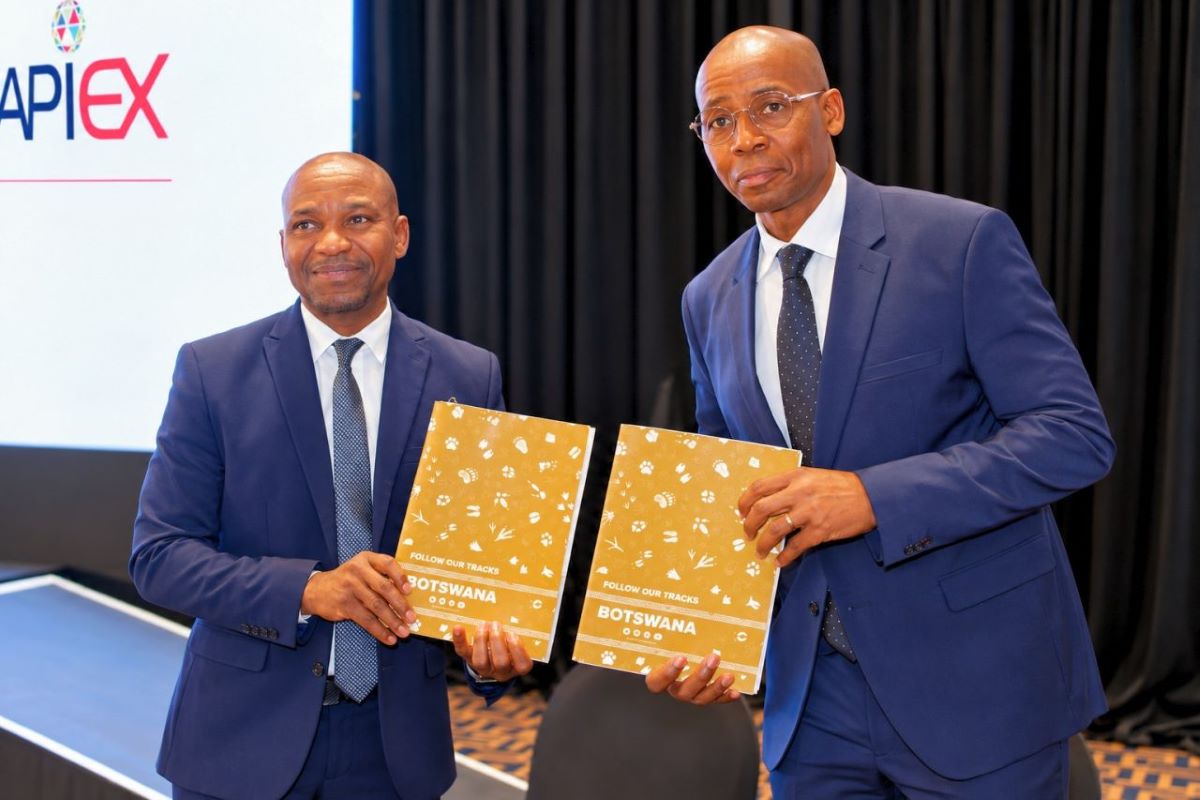
The agreement was executed by Mr. Justice Ofentse, Chief Executive Officer (Acting) of the Botswana Tourism Organisation, and Mr. Helder Jauana, President of the Board of Directors of ANDITUR — a signing that signals intent from both institutions to move beyond goodwill toward measurable collaboration.
What the Partnership Covers
The MoU establishes a broad framework for joint work across the tourism value chain, including:
- Tourism investment and private-sector engagement
- Destination marketing, promotion and packaging
- Tourism research and market intelligence
- Sustainable tourism and quality assurance
- Meetings, Incentives, Conferences and Exhibitions (MICE)
- Skills development and training
Rather than a symbolic document, the agreement is designed to translate into practical programmes, underpinned by structured institutional coordination between the two agencies.
Safari Meets Sea
Perhaps the most compelling element of the deal is its focus on multi-destination tourism experiences. The vision pairs Botswana’s world-renowned wildlife and nature-based attractions — the Okavango Delta, the Kalahari, Chobe’s elephant herds — with Mozambique’s Indian Ocean beaches and marine tourism offerings, from Tofo’s reefs to the Bazaruto Archipelago.
For international travellers, this means the prospect of a single journey that moves from mokoro glides at dawn to dhow sails by dusk. The two destinations also plan to explore joint marketing initiatives, familiarisation trips for trade and media, coordinated investment promotion, and combined tourism packaging.
Connectivity and Movement
Tourism corridors only work if travellers can actually move along them. To that end, the MoU provides for cooperation on air connectivity, route development and visitor mobility — critical enablers for turning a dual-destination pitch into a bookable reality.
Improved air links would reduce one of southern Africa’s persistent barriers: the friction of getting between wilderness and coast without circuitous routing.
The Bigger Picture
The collaboration reinforces a shared ambition: deeper regional tourism integration, increased visitor flows, and stronger positioning for both destinations in competitive international markets. In a global tourism landscape where travellers increasingly seek layered, multi-experience itineraries, pairing two complementary destinations may prove smarter than competing as one.
For Botswana and Mozambique, the MoU is less about signing paper than about drawing a new map — one where borders read as bridges.