De Lille on Gauteng’s Next Phase: Building Confidence Through Tourism Infrastructure
At the CNBC Africa CEO Business Breakfast, South Africa’s Minister of Tourism unveiled a R2 billion+ pipeline of investment projects, citing 12.4% growth in international arrivals and the new ETA system as key drivers in tourism’s rise as a core economic pillar.
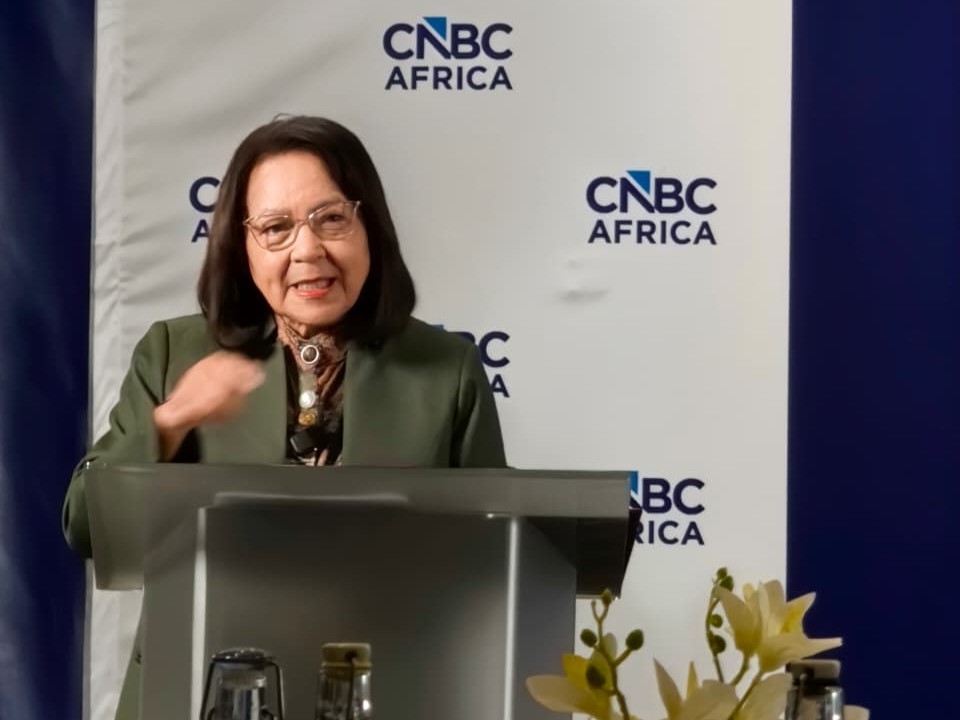
Sandton, Gauteng — In a special address this morning at the CNBC Africa CEO Business Breakfast: Tourism Dialogue, Minister of Tourism Patricia De Lille framed tourism not merely as a leisure sector, but as a central pillar of South Africa’s economic recovery and job creation strategy.
Speaking at The Maslow Hotel, De Lille aligned her ministry’s agenda with the event’s theme: “Gauteng’s Next Growth Phase: Capital, Connectivity, Confidence.”
Her address came just weeks after President Cyril Ramaphosa launched Phase Three of the Government Business Partnership, which identified tourism, mining, infrastructure, and agriculture as the four new drivers for accelerating economic growth.
Capital: From Potential to Bankable Projects
De Lille argued that South Africa must move beyond discussing its tourism potential to delivering concrete opportunities for investors. To that end, she announced that on 1 October, the government will host the second edition of the South Africa Tourism Infrastructure Investment Summit in Gauteng. The summit will unveil a pipeline of 15 pre-screened tourism infrastructure investment opportunities.
“We want to put bankable opportunities in front of capital,” De Lille said. “Investment in these projects is ultimately investment in the people of South Africa. Because investment creates infrastructure, infrastructure creates businesses and businesses create jobs.”
She highlighted that the World Bank Group has also identified tourism and infrastructure as key sectors with the potential to generate jobs at scale, a sentiment she reinforced during her recent attendance at the World Economic Forum’s inaugural “Beyond Tourism Day” in Geneva.
“Tourism policy is economic policy,” she told the audience. “For too long, South Africa’s understanding of economic development has focused overwhelmingly on industrialisation and manufacturing. Those sectors remain important, but our understanding of the modern economy must broaden.”
The data supports her argument. According to Statistics South Africa’s Tourism Satellite Account, tourism directly employed 953,981 people in 2024, representing 5.7% of total employment. In the same year, the sector contributed 4.9% to GDP, exceeding agriculture, utilities, and construction.
Connectivity: Record Arrivals and the ETA Push
On the issue of connectivity, De Lille pointed to robust growth in international arrivals. Last year, South Africa welcomed a record 10.5 million international tourists. Between January and July this year, that figure reached 6.57 million, a 12.4% increase compared to the same period last year.
De Lille attributed this growth to the Cabinet-approved Tourism Growth Partnership Plan, which focuses on five priorities: Ease of Access, Coordinated Destination Marketing, Safety and Security, Tourism Product Development, and Job Creation.
A key component of “Ease of Access” is the Electronic Travel Authorisation (ETA) system, now live in over 30 countries. The digital visa allows applicants to secure authorization within 24 hours without paper forms or queues.
De Lille also addressed the historical fragmentation in route development, where individual provinces independently courted airlines. She announced the implementation of the Tourism Route Development Marketing Plan, supported by a R6.5 million government investment in a special purpose vehicle designed to coordinate national route marketing. “Because airlines ultimately want one thing: bums on seats which results into profits,” she said.
She noted that OR Tambo International Airport remains a critical national asset, serving as one of the principal gateways to the continent, giving Gauteng a pivotal role in the sector’s growth.
Confidence: Private Sector Investment
Concluding her address with a call to action for the CEOs in the room, De Lille highlighted several major recent investments as evidence of growing confidence in the sector.
These include a more than R2 billion investment by Club Med for a Beach & Safari Resort in KwaZulu-Natal, construction on the Oceans Umhlanga North Tower, the V&A Waterfront’s R24 billion expansion of Granger Bay, and the R8 billion Cape Winelands Airport.
“So confidence is coming not only from international visitors, but local capital too is walking the talk,” De Lille said, challenging the business leaders present to demonstrate patriotism through innovation and investment. “When we invest in tourism, we invest in jobs. And ultimately, we invest in the people of South Africa.”