Agatha Iyok: The Woman Who Put Cameroun on the Global Tourism Map — (Part 2)
In this concluding part of the interview, Agatha Iyok talks about her beloved Limbe and what’s ahead for Cameroun and the Central Africa region…
Limbe: The Jewel of Cameroon’s Coast
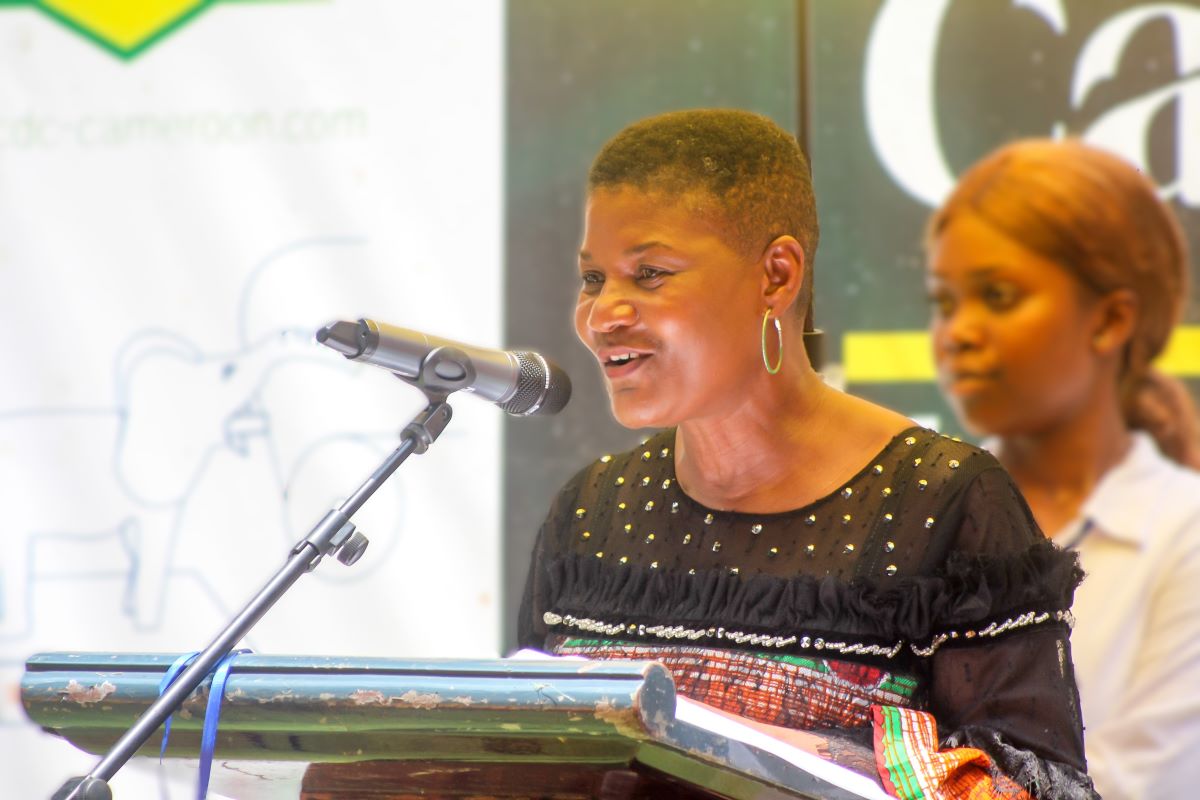
AGATHA: To me, Limbe is one of the most beautiful cities in Cameroon—a true touristic gem that offers something for everyone. It is a place where nature remains unspoiled, history is palpable, and culture is vibrant.
Nature’s Masterpiece
Limbe’s natural beauty is its first draw. We are home to black-sand beaches that are entirely natural, untouched by mass development, and stretching along the Atlantic coast. Just a short drive away rises Mount Cameroon, the highest peak in both Central and West Africa. Yet, despite this dramatic landscape, the city maintains a bustling urban life that feels welcoming and alive.
What truly sets Limbe apart is its inclusivity. It is a cosmopolitan town where everyone is embraced not as a stranger, but as a part of the community. Whether you are a local or a visitor, you feel like an owner of the town.
A Land of Records and History
Limbe holds a unique distinction: it is home to Dibunscha, located just 35 minutes away, which is recorded as the wettest place in Africa. But beyond the rain, the region is steeped in history.
One of our most significant sites is the Bimbia Slave Route, which our hosted delegates visited. It was once the largest slave port in Central and West Africa. Today, it stands preserved in its natural state—a profound historical landmark that demands remembrance.
We also honor our past through monuments like the Alfred Saker Monument and the Ekande Monument, both testaments to the region’s colonial and pre-colonial history. The Limbe Botanical Garden, venue of the event is another historic treasure. In 1982, then-Prince Charles (now King Charles III) inaugurated the Jungle Village and the British War Graves here, immortalizing the fallen soldiers of both World Wars. This site remains a center for remembrance, especially on Remembrance Day.
The garden itself is a scientific wonder. It was once the epicenter of plant acclimatization, meaning many plant species across Africa trace their origins back to Limbe. Visitors from abroad often find familiar flora here, creating an exciting connection between their home countries and Cameroon. Fun fact: the name Limbe itself is derived from the River Limburg that flows through the garden, later shortened to Limbe after the town of Victoria.
Wildlife and Waterfalls
For wildlife enthusiasts, the Limbe Wildlife Centre is a must-visit—you were there. It is a unique sanctuary dedicated to rescuing primates, currently housing nine different species.
Nature lovers will also be captivated by Lake Nachtigal, a pristine crater lake located just 9 meters from the Atlantic Ocean. Uniquely, it sits on the boundary between land and sea, and remarkably, it remains a site where little scientific research has been conducted, preserving its mystery. Nearby, in the Sanje area, lies the Bomana Waterfall, another stunning natural attraction that draws visitors seeking serenity and adventure. We couldn’t visit these two.
A Cultural Mosaic
Culturally, Limbe is unparalleled in Cameroon. It is one of the few places where all four major cultural zones of the country are represented: the Sudano-Sahelian, Fangbeti, Sawa, and Western Grassland.
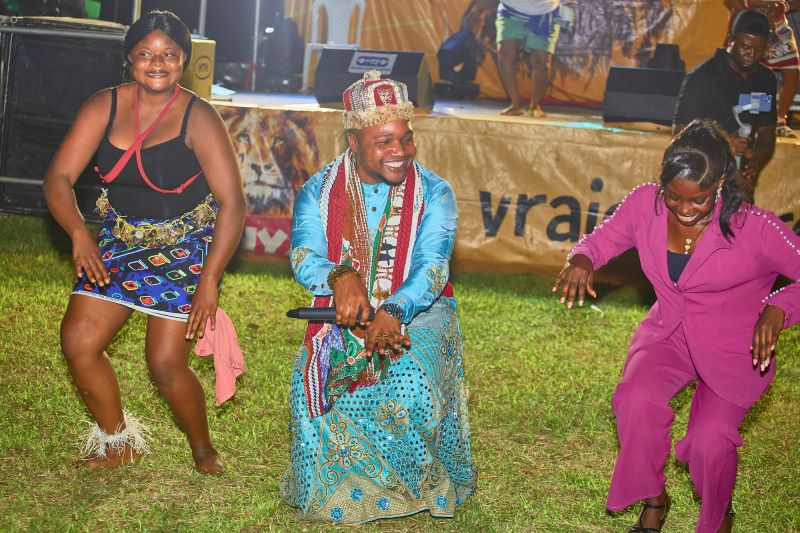
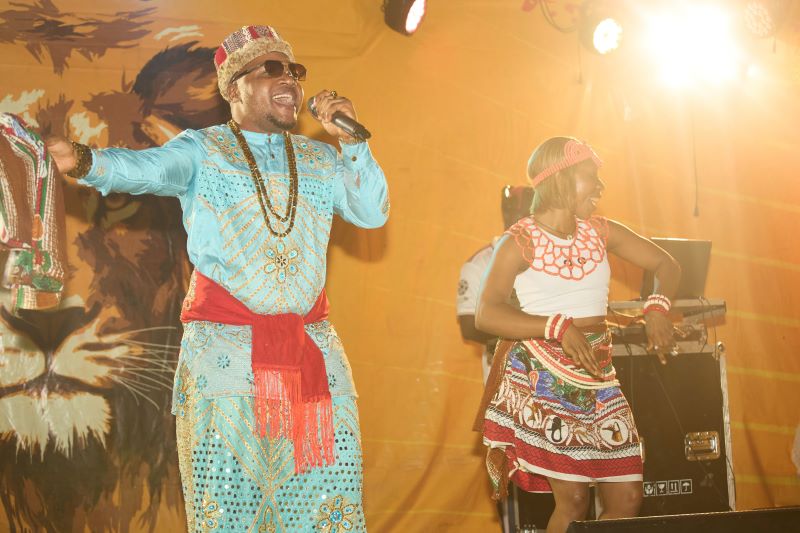
This diversity is reflected in our traditional dances, music, and daily life. We host people from Benin, Togo, Ghana, and beyond, each bringing their unique traditions. Culture is our identity here; wherever we go, we carry it with pride. For a traveler, this means Limbe offers the most authentic and comprehensive cultural experience in the country.
Why Limbe Matters
From the Bimbia Slave Trade Site—the only one of its kind in Cameroon—to the colonial-era Botanical Garden and the mysterious Lake Nachtigal, Limbe is a town defined by its historical heritage. It is a place where every site tells a story, and every landscape invites exploration.
Whether you are looking for adventure, history, culture, or simply a warm welcome, Limbe is the best place to experience the heart of Cameroon.
********
Cameroon and Central Africa in the Next 5 Years?
I’m confident the tourism industry in Cameroon and Central Africa will experience significant growth over the next five years. Tourism fairs will attract more exhibitors, guests, and investors, and our event specifically should be five times larger than today.
Emerging technologies and artificial intelligence will likely reshape the sector, creating new opportunities for innovation and engagement. We’re already seeing increased visitor numbers and growing recognition that our fair offers something distinctive and valuable.
The media coverage and international exposure we’ve achieved thus far signal even greater visibility ahead. This momentum will strengthen our ability to attract investors and partners—both for our event and the broader tourism sector—positioning Central Africa as an increasingly attractive destination on the global stage.
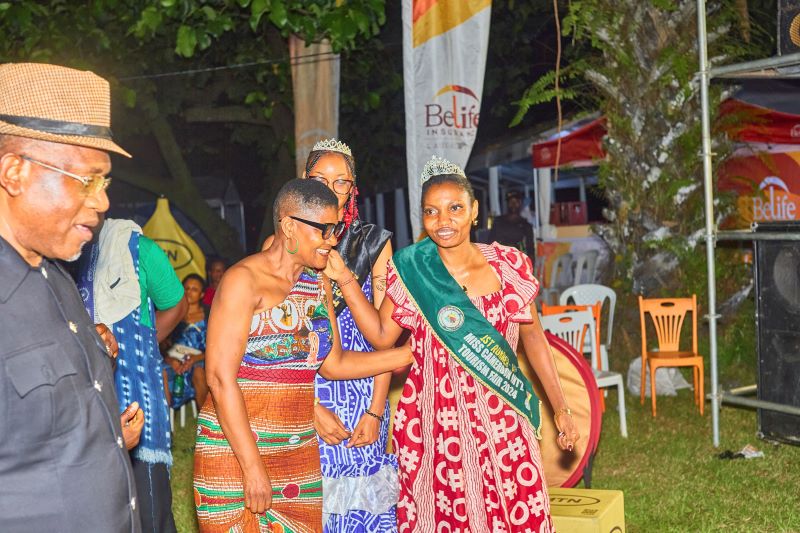


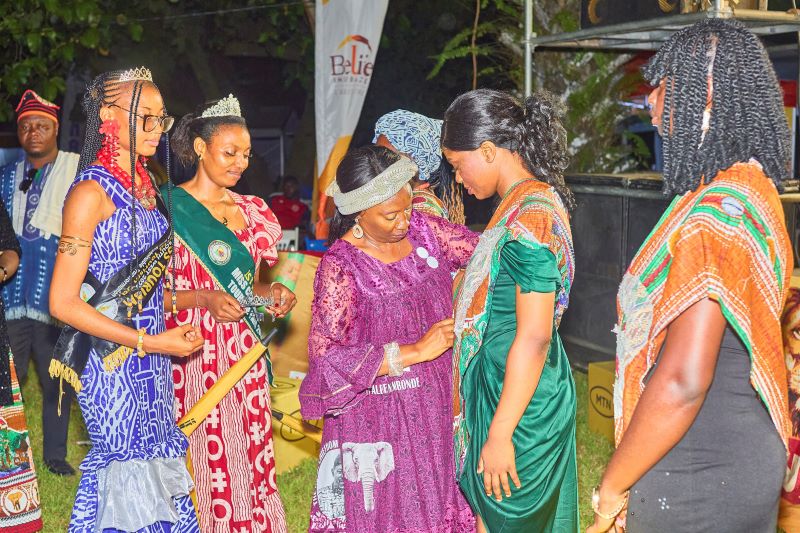
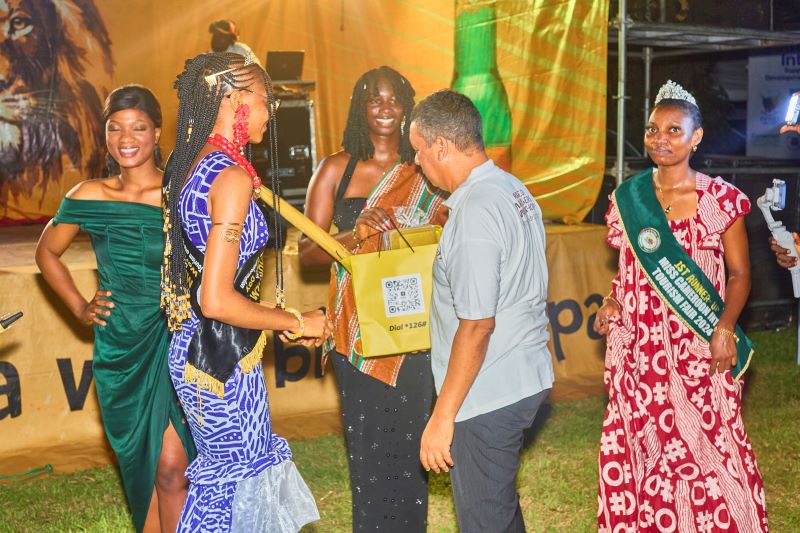
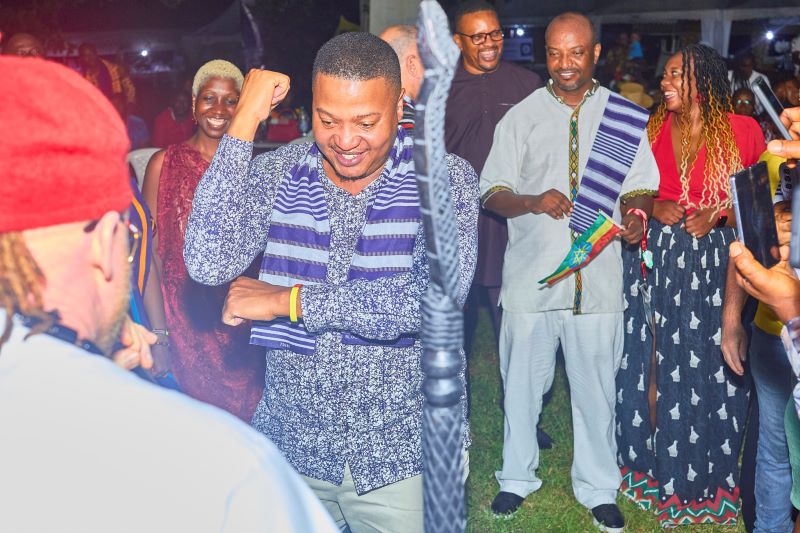
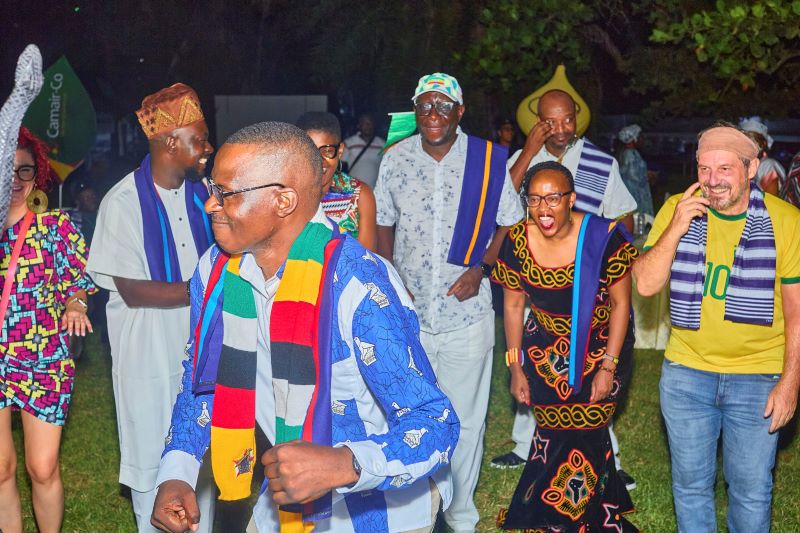
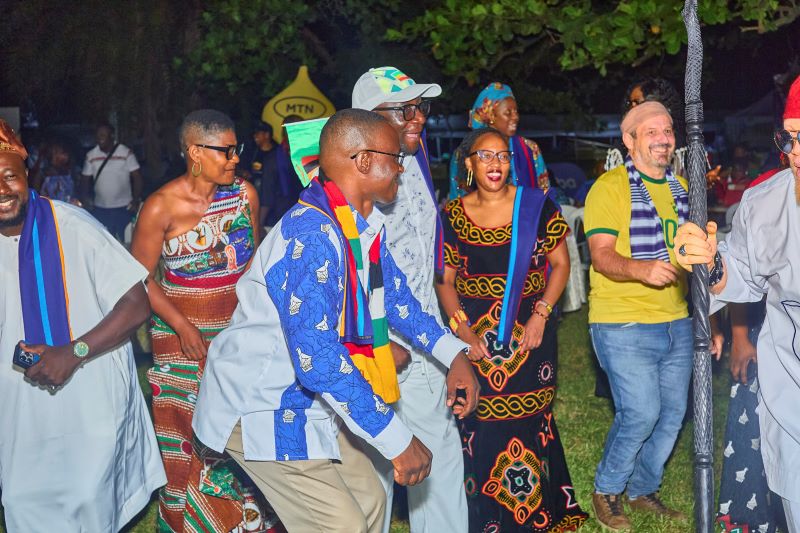


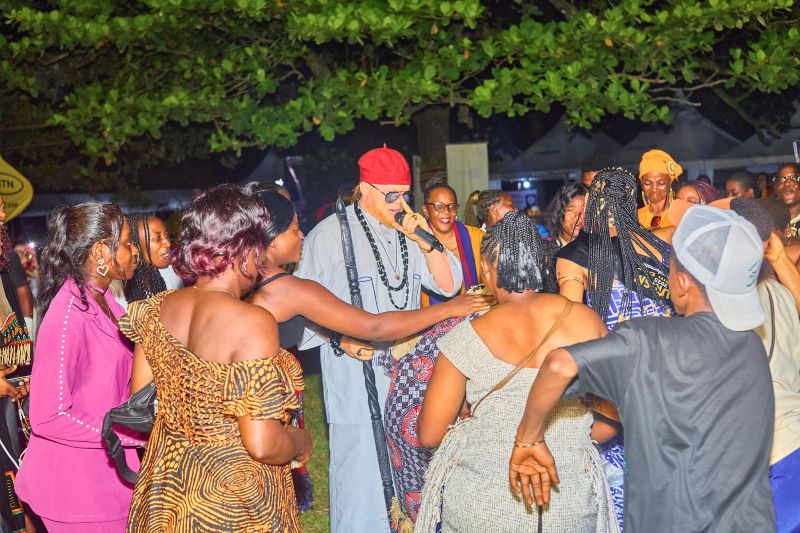
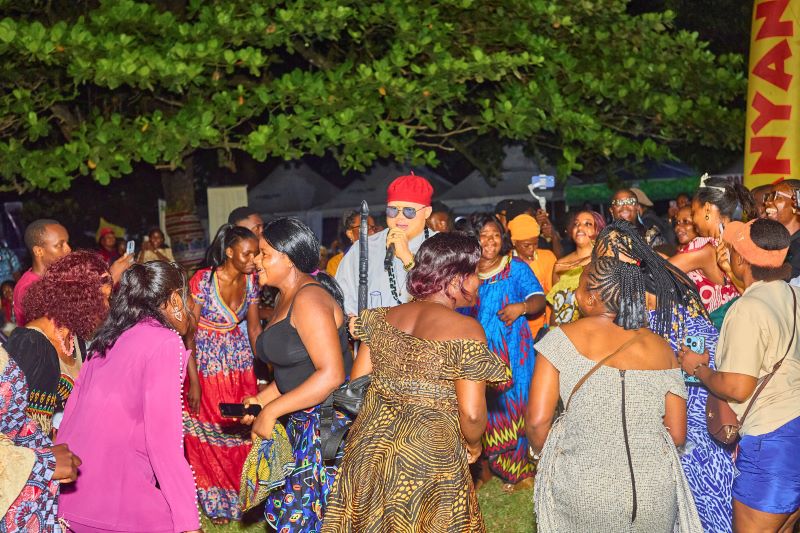
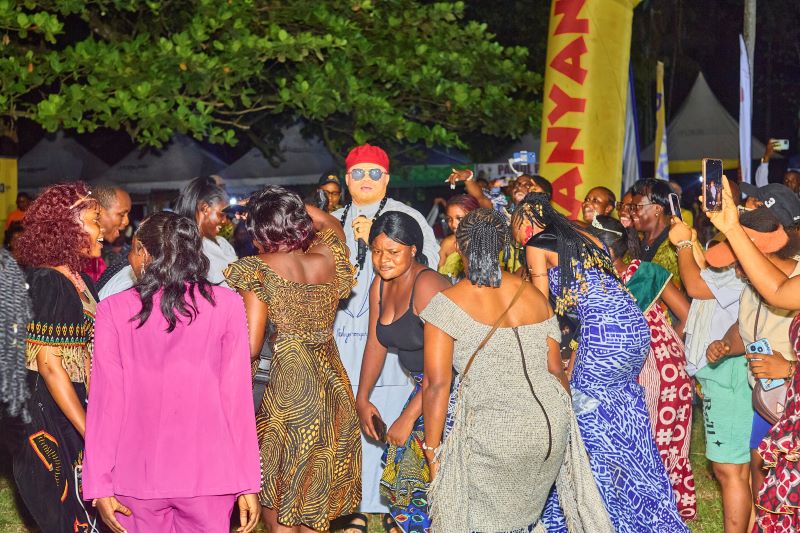
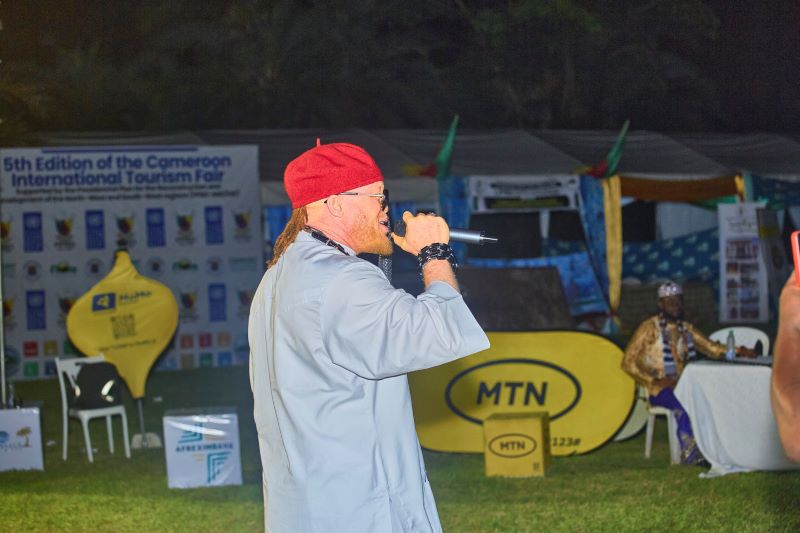

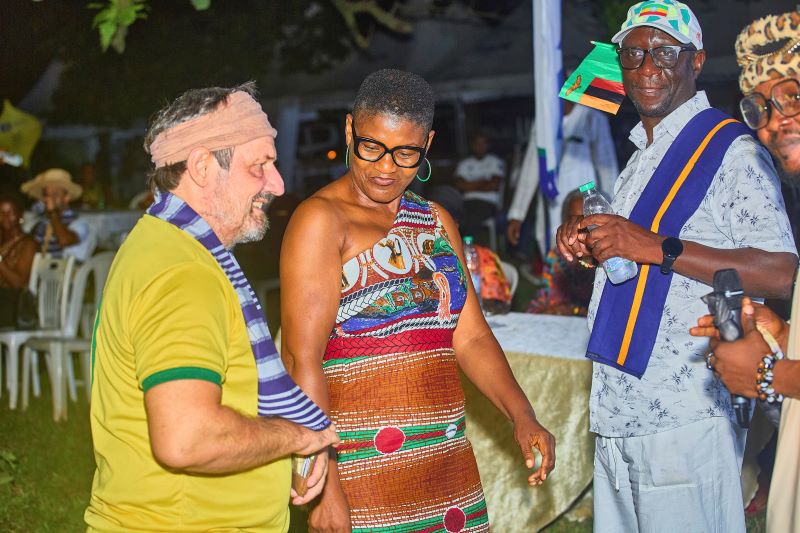

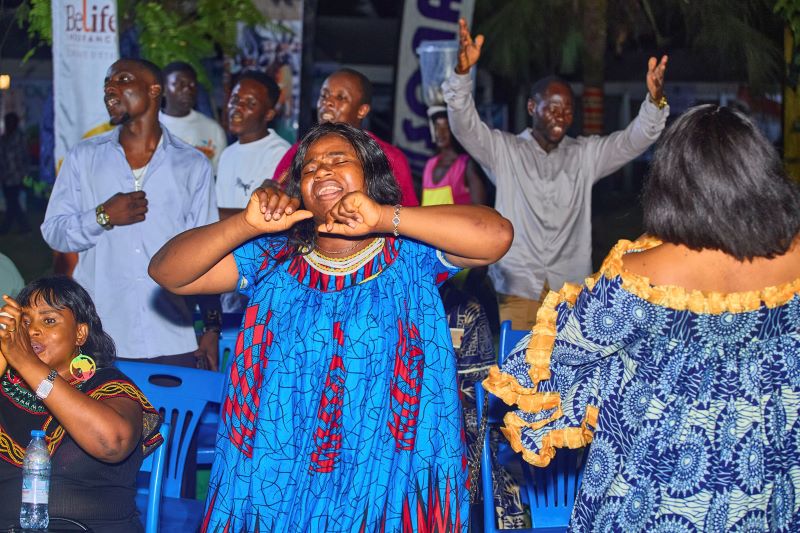

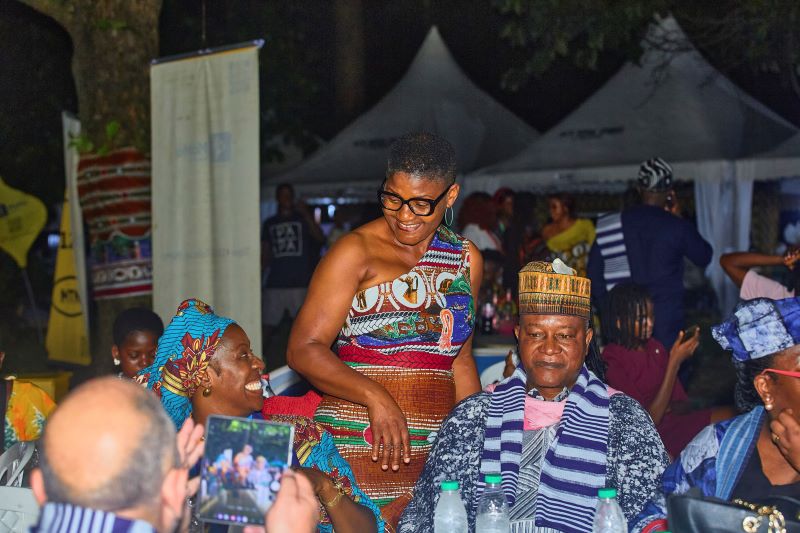

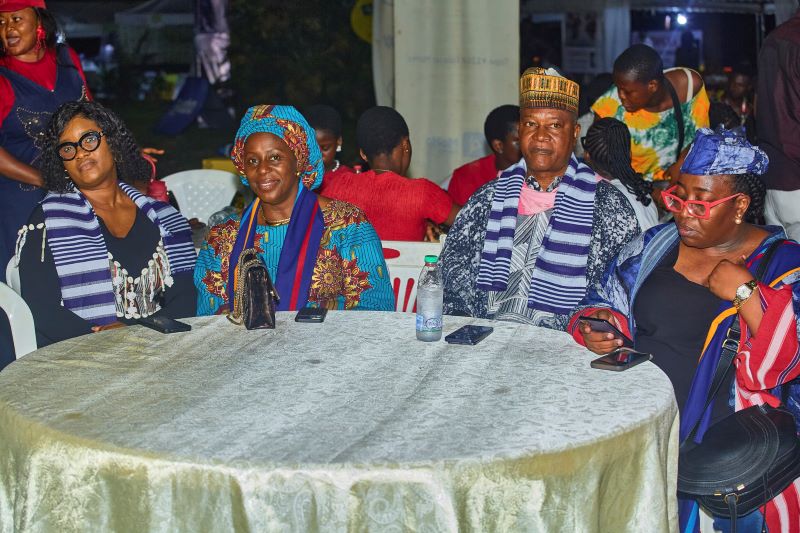
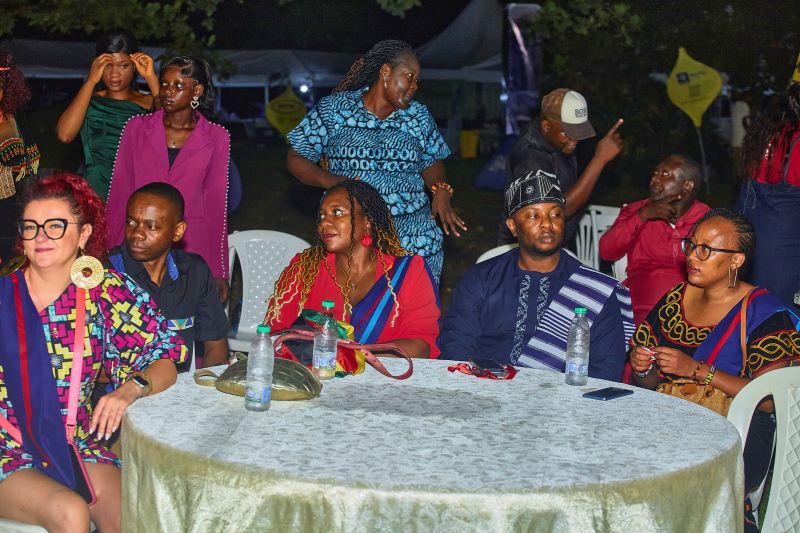
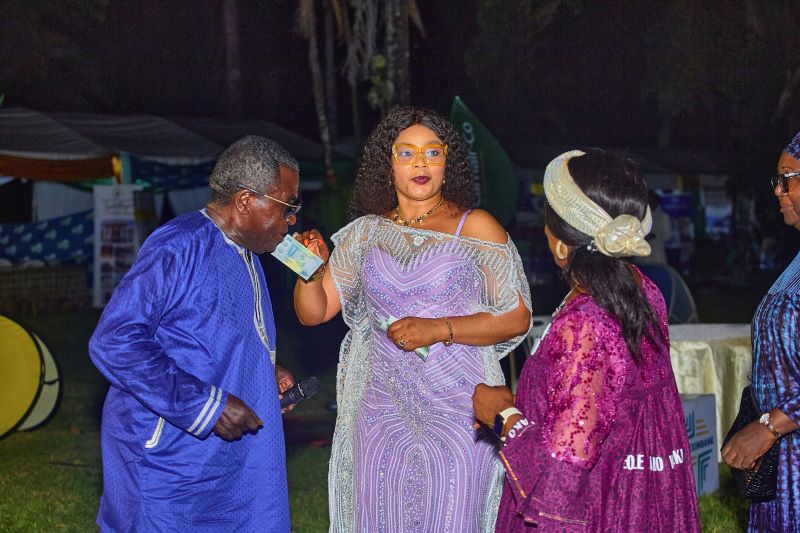
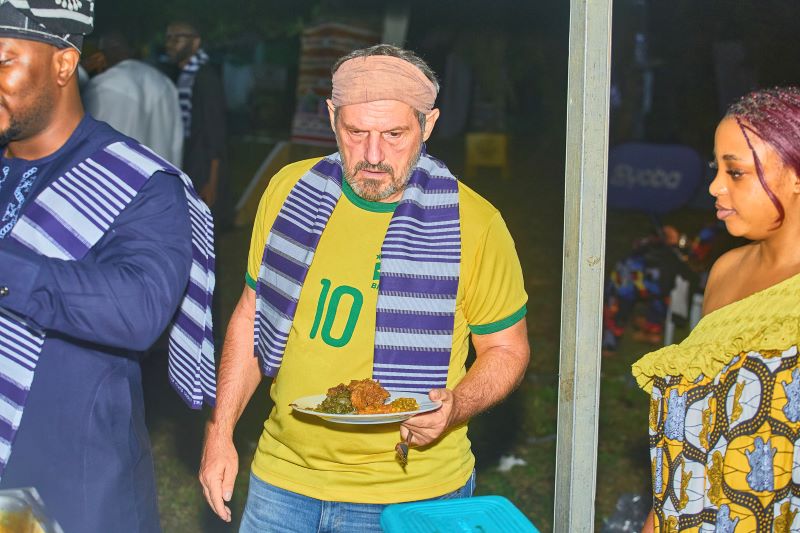
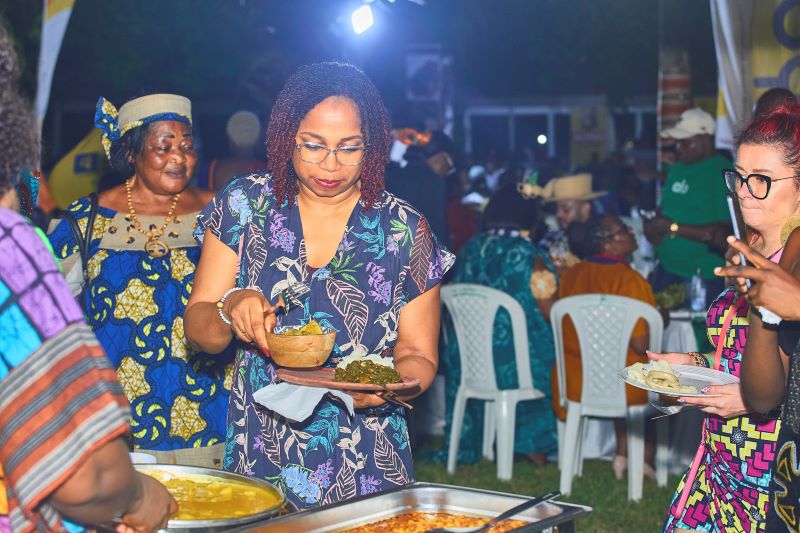
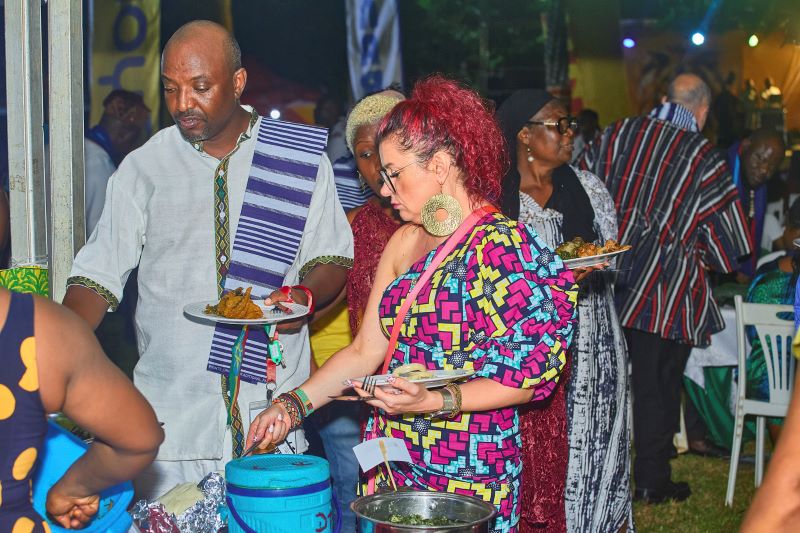

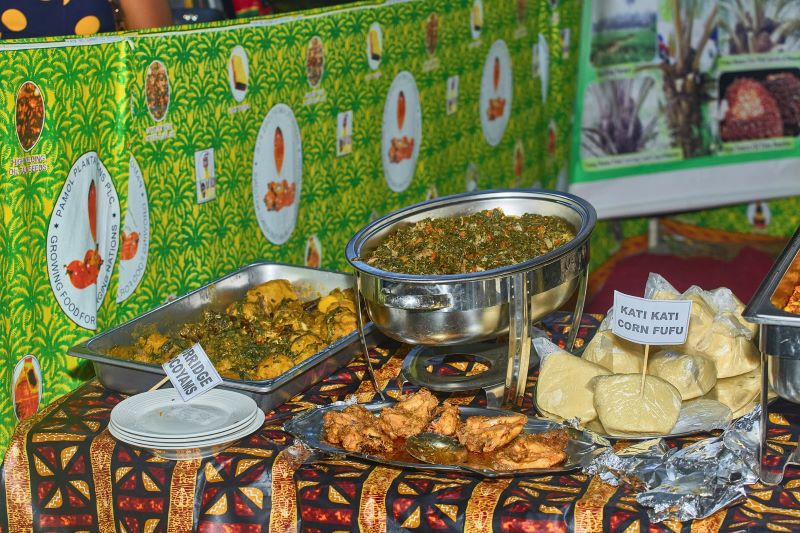
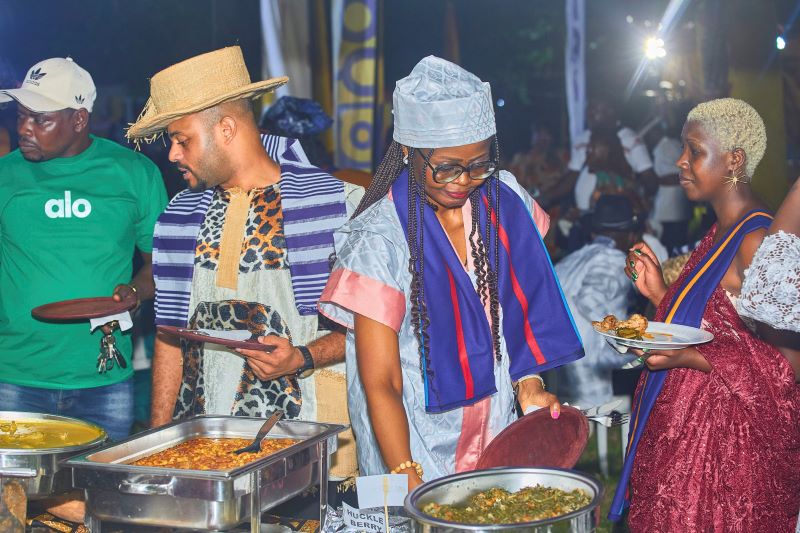

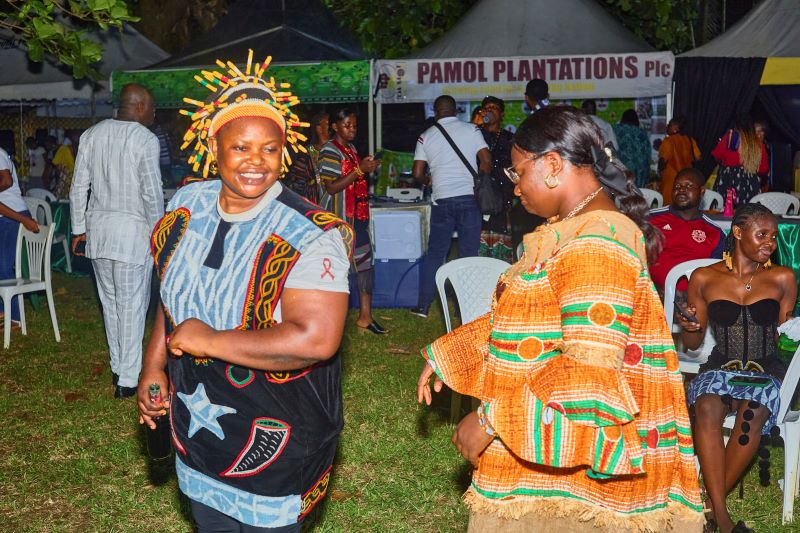
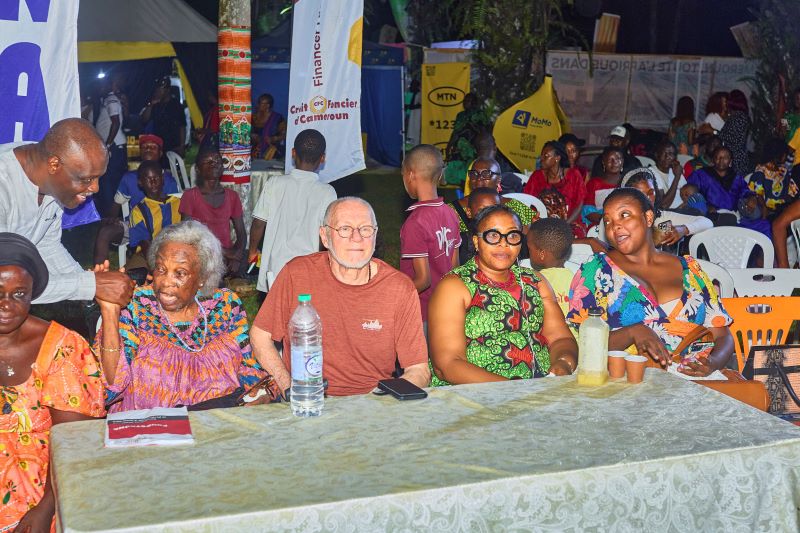
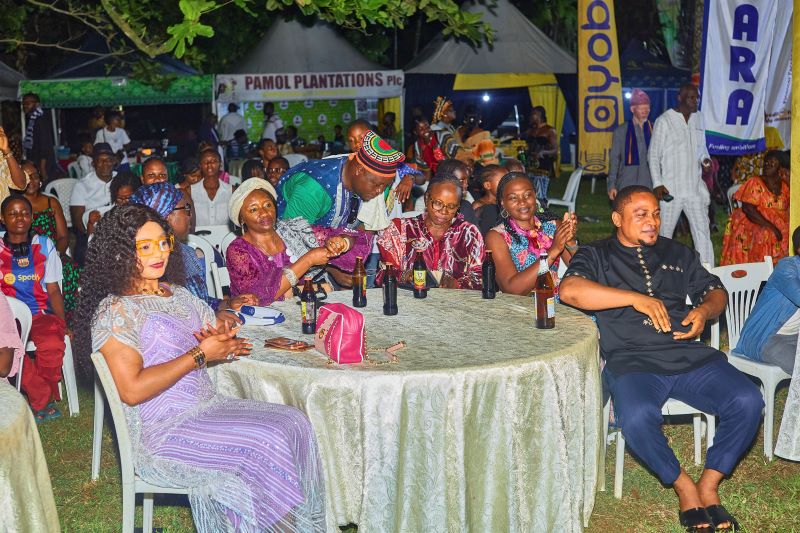
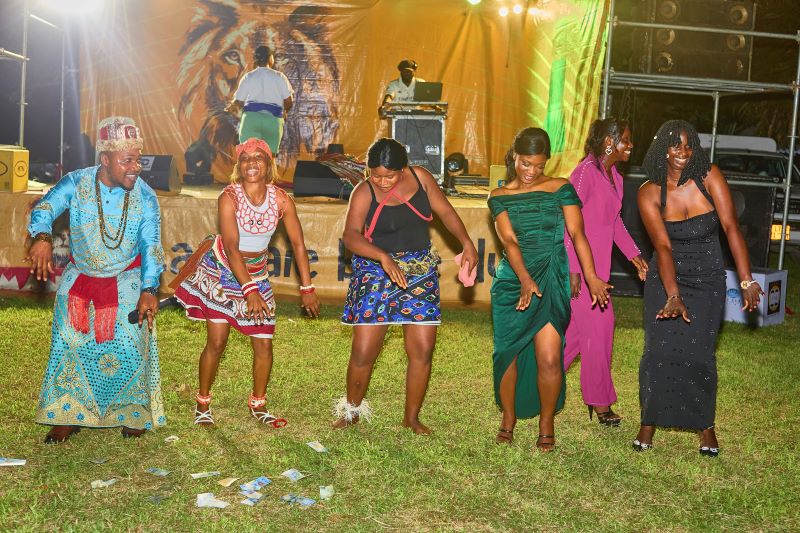

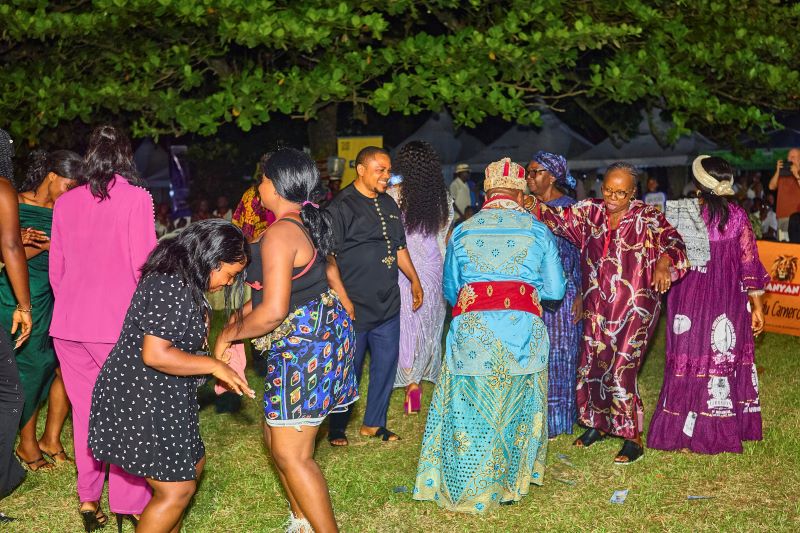
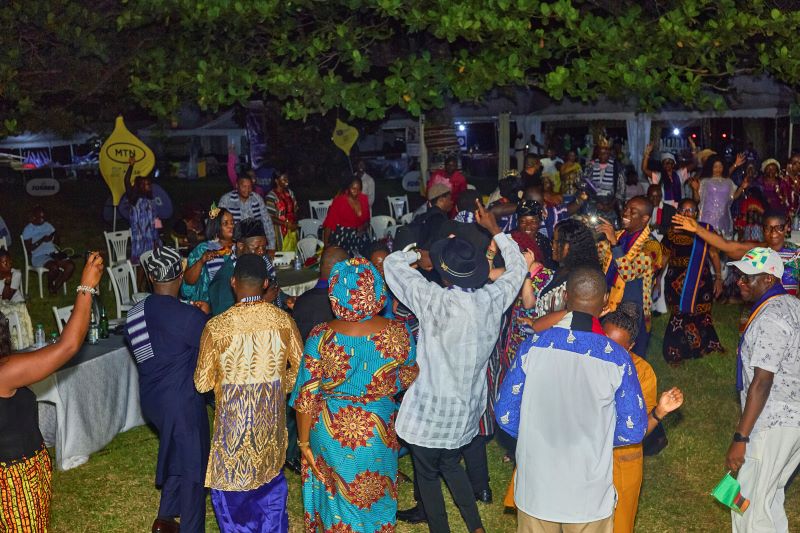
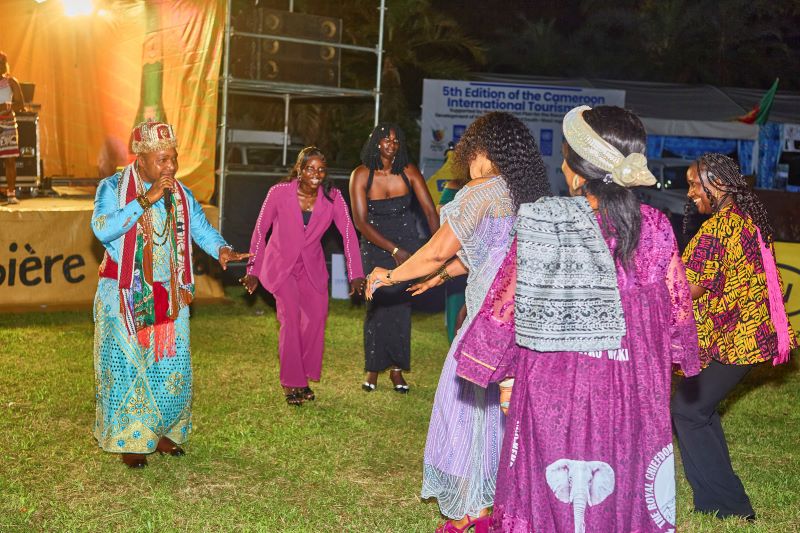



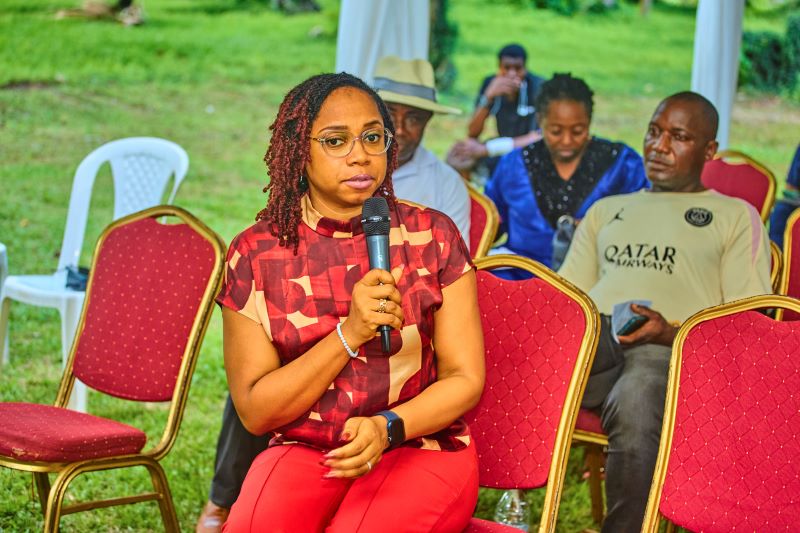
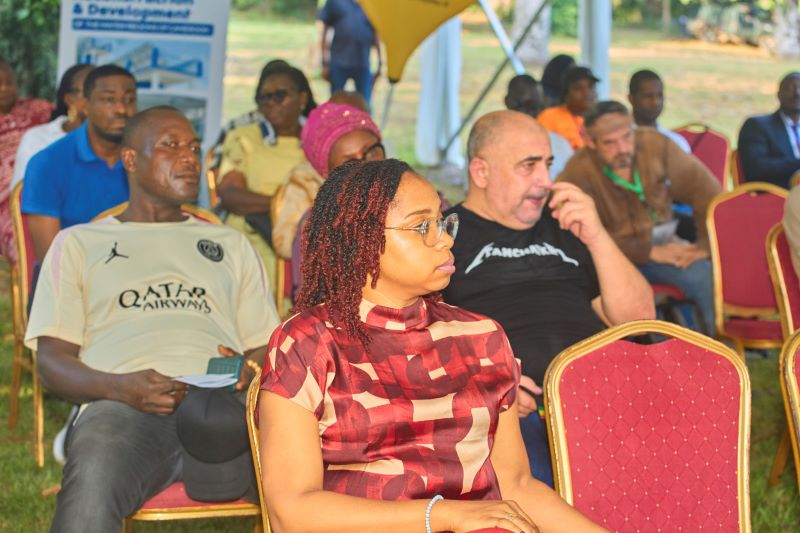
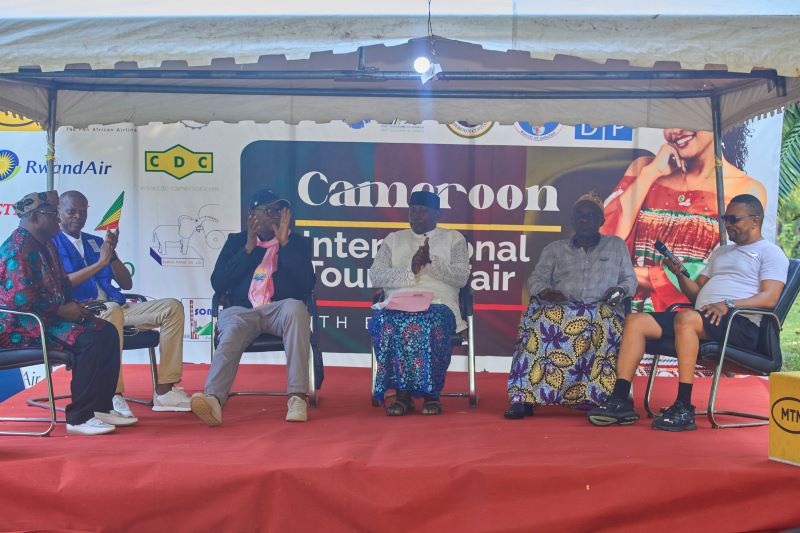
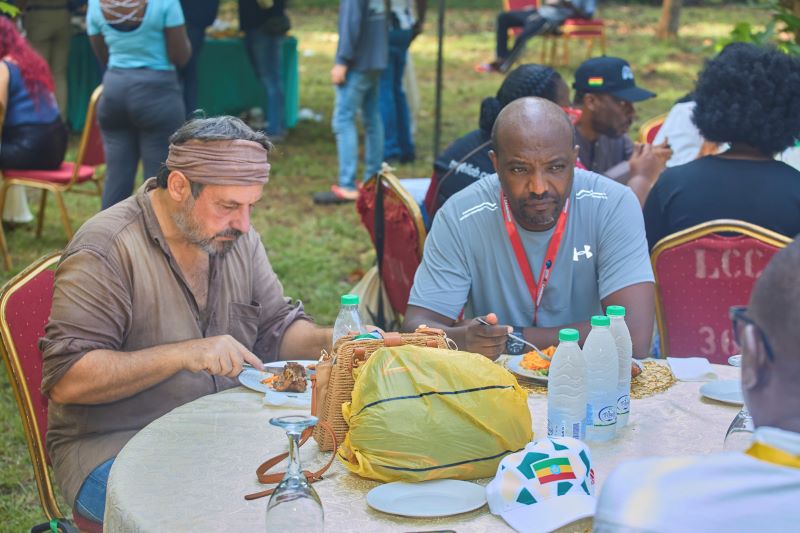
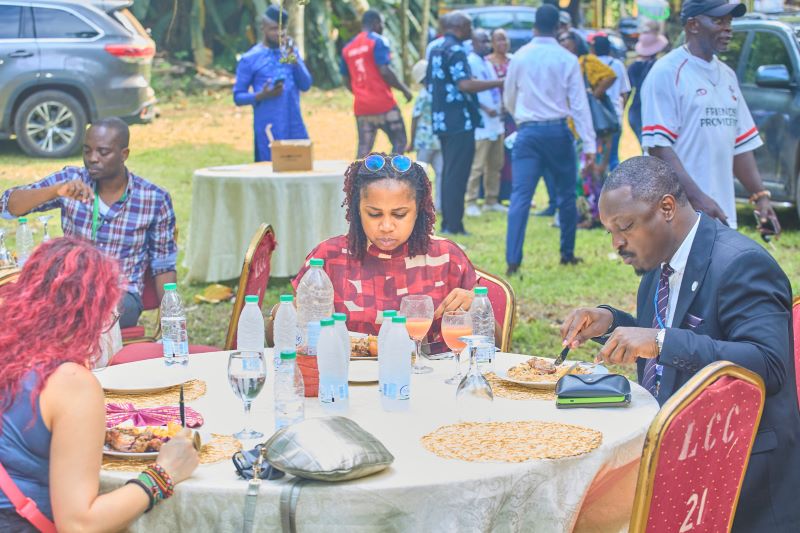
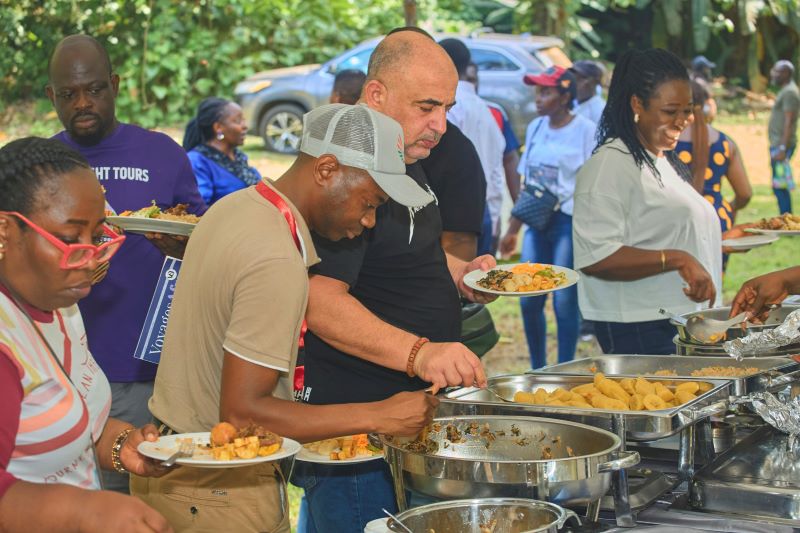
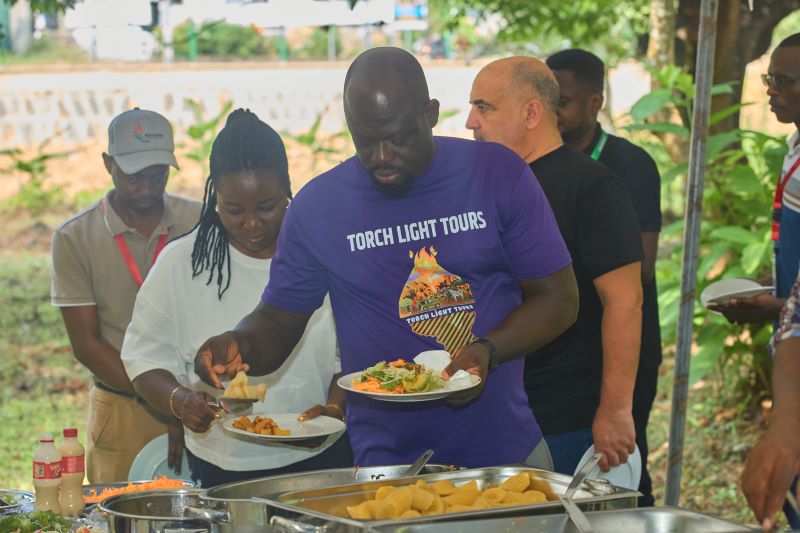
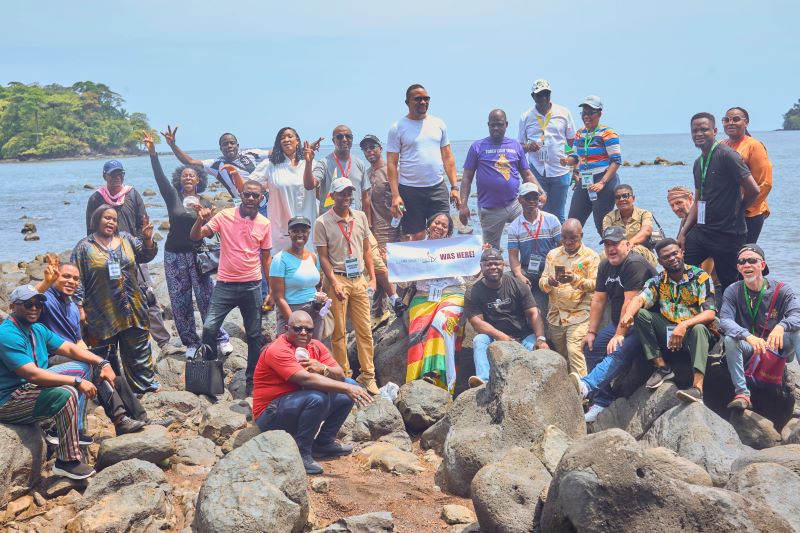
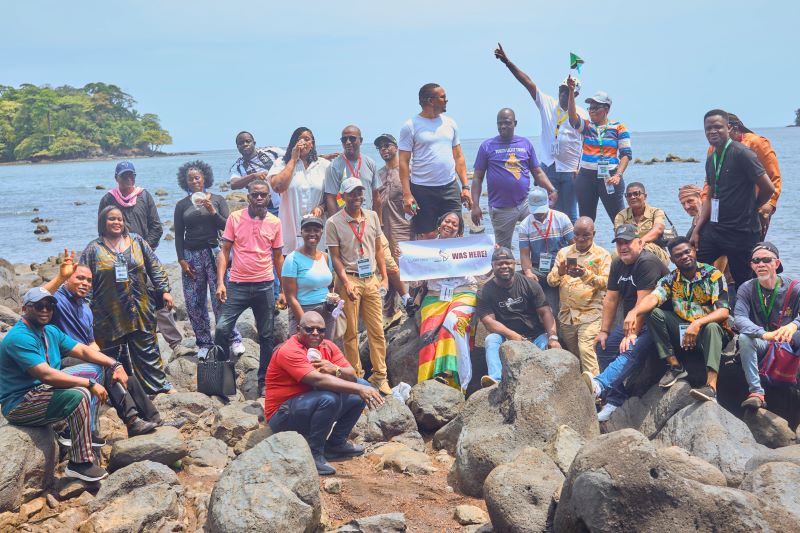
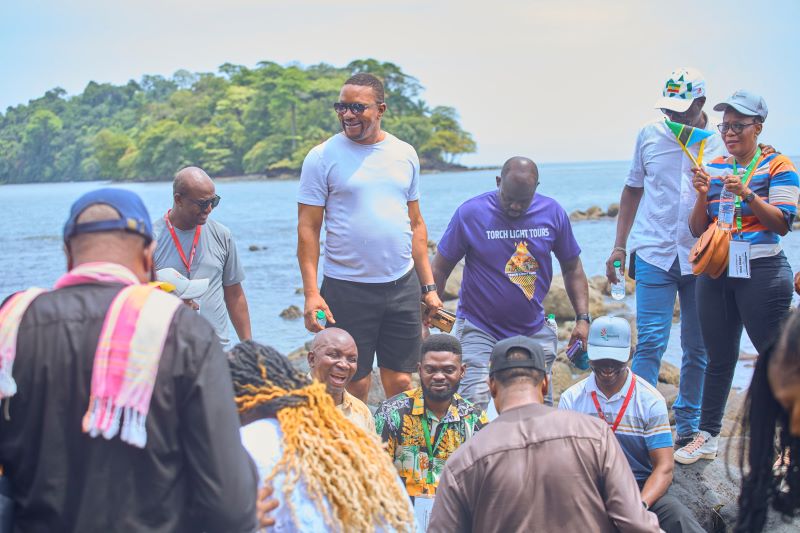

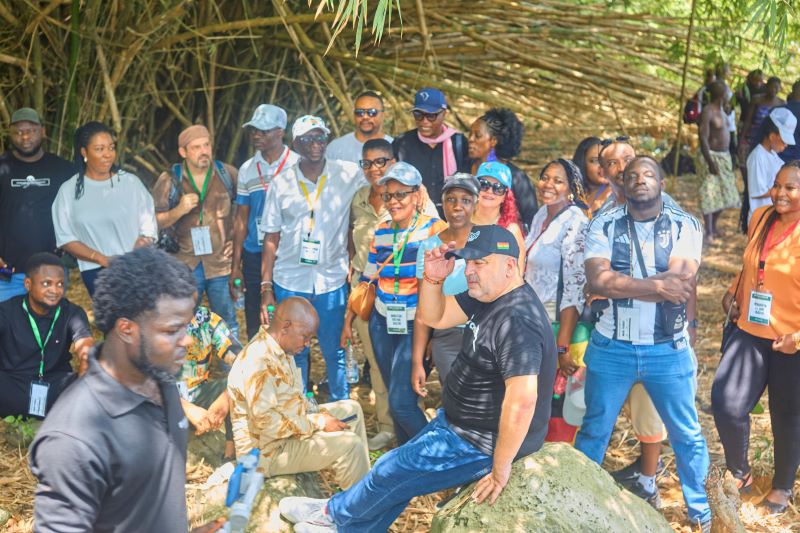
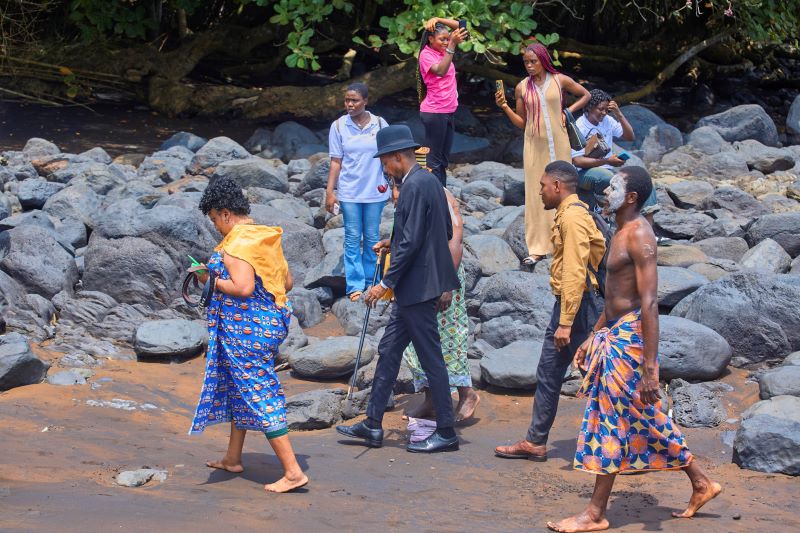
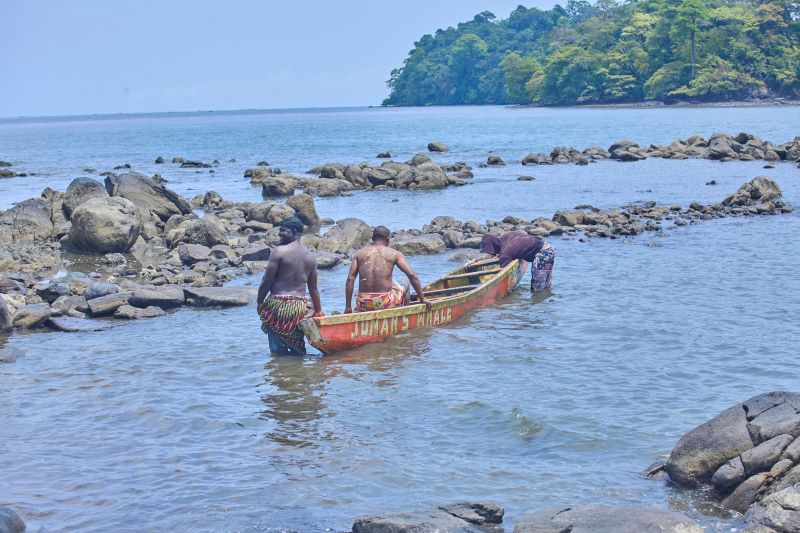
Concluded. Images by Derick, the official CITF 2026 media person. Cover image: Niyi David. This interview was first published in Travels & Thrills magazine Vol 2: Iss 3 (Aug-Oct 2026).