
Where the Ancestors Meet the Algorithm: A WTD Reflection from Harare
As the world turns its gaze to World Tourism Day 2026, Zimbabwe isn’t just celebrating arrivals and departures—it’s celebrating identity.
In the heart of Harare, the Heritage Village stands as a living testament to what tourism can be when it’s rooted in respect, rhythm, and remembrance. While the global theme for this year—“Digital Agenda and Artificial Intelligence to Redesign Tourism”—points toward screens, algorithms, and virtual frontiers, the Village offers something equally vital: the warmth of human hands, the beat of traditional drums, and the stories that have survived centuries.
More Than a Destination—A Living Archive
Stepping into Heritage Village is like stepping out of time and into tradition. Here, tourism isn’t defined by safari drives or wildlife sightings alone. It’s defined by the clatter of pottery wheels in the craft section, the spicy aroma of sadza being prepared over open fire, the hypnotic sway of traditional dancers in vibrant shweshwe and beadwork, and the deep, resonant voices of storytellers sharing myths that predate written history.
The Village is a curated yet authentic showcase of Zimbabwe’s cultural DNA:
- Traditional arts and crafts—from basket weaving to bronze sculpture
- Music and dance that carry the soul of Shona, Ndebele, and Tonga heritage
- Indigenous knowledge systems—herbal medicine, agricultural practices, spiritual rituals
- Culinary heritage—food as history, served with pride and precision
These aren’t museum exhibits behind glass. They’re living practices, performed by people who are both custodians and innovators of their own legacy.
Culture as the Backbone of Sustainable Tourism
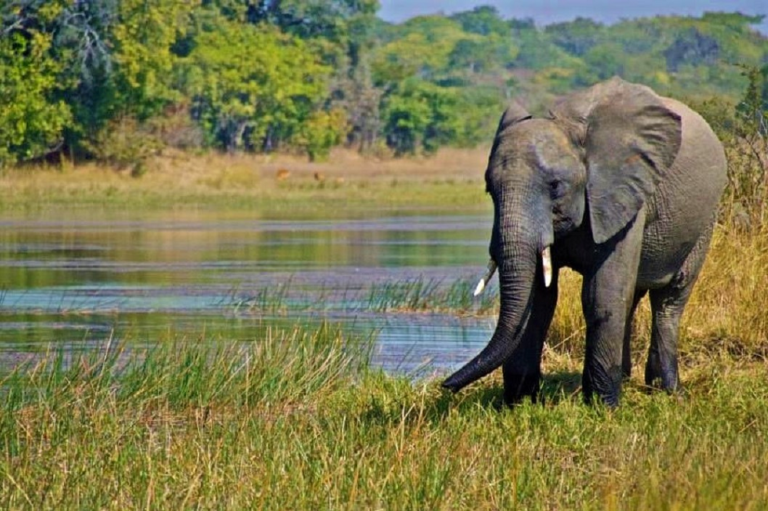
There’s a persistent misconception that African tourism revolves exclusively around wildlife. The Heritage Village dismantles that narrative with quiet confidence.
By centering culture, the Village does something profound: it redistributes the economic benefits of tourism beyond lodges and game reserves. Local artists, craftspeople, musicians, cooks, and guides all find livelihoods here. Tourism becomes community-driven—not extractive.
This is sustainable tourism in its truest sense. It’s tourism that:
- Preserves cultural practices that might otherwise fade
- Empowers local creators to monetize their skills without compromising authenticity
- Educates visitors on the depth and sophistication of Zimbabwean heritage
- Connects generations—elders teaching youth, youth adapting traditions for modern audiences
Bridging Tradition and Technology
Now, enter the 2026 World Tourism Day theme: Digital Agenda and Artificial Intelligence to Redesign Tourism. At first glance, this might seem at odds with the earthy, ancestral energy of Heritage Village. But the intersection of culture and technology is where the future of inclusive tourism lies—and the Village is uniquely positioned to lead this charge.
Imagine:
- Virtual reality tours that allow a student in Tokyo to walk through a reconstructed Great Zimbabwe-inspired courtyard
- AI-curated cultural itineraries that match visitors’ interests (music, food, craft) with personalized Village experiences
- Social media campaigns amplifying Zimbabwean storytellers, reaching diaspora communities and global travelers alike
- Digital marketplaces where Ndebele beadworkers and Shona basket weavers can sell directly to international buyers, cutting out middlemen
- Photography and video archives that document performances and crafts in high resolution, creating educational resources for schools and researchers
Technology doesn’t have to dilute culture. When deployed thoughtfully, it can amplify it—preserving traditions in digital form while creating new revenue streams for the communities that sustain them.
The Human Story Behind the Algorithm
AI can recommend destinations. Algorithms can optimize travel routes. But no algorithm can replicate the feeling of sitting around a fire, listening to an elder recount the legend of Saru (the crocodile), feeling the ground vibrate beneath your feet as dancers perform a harvest celebration, or tasting mupfukuta (vine leaves wrapped in maize meal) for the first time.
Harare’s Heritage Village reminds us that tourism, at its core, is about people. It’s about connection—between host and guest, past and present, tradition and innovation.
Looking Forward: Keeping the Story Alive
As Zimbabwe celebrates World Tourism Day 2026, the Heritage Village offers a powerful message: Preserving culture today isn’t nostalgia—it’s investment.
Every craft sold, every song performed, every story told keeps Zimbabwe’s tourism narrative rich, diverse, and resilient. And as digital tools open new doors, the Village proves that the future of tourism doesn’t have to abandon the past—it can honor it, digitize it, and share it with the world.
In a year obsessed with AI and digital agendas, Heritage Village whispers a truth no algorithm can generate: The most transformative technology in tourism is still human connection. And Zimbabwe is keeping that story alive—one drumbeat, one handshake, one shared meal at a time.