CITF 5.0: Agatha Iyok Reflects on the Journey from Concept to Continental Platform
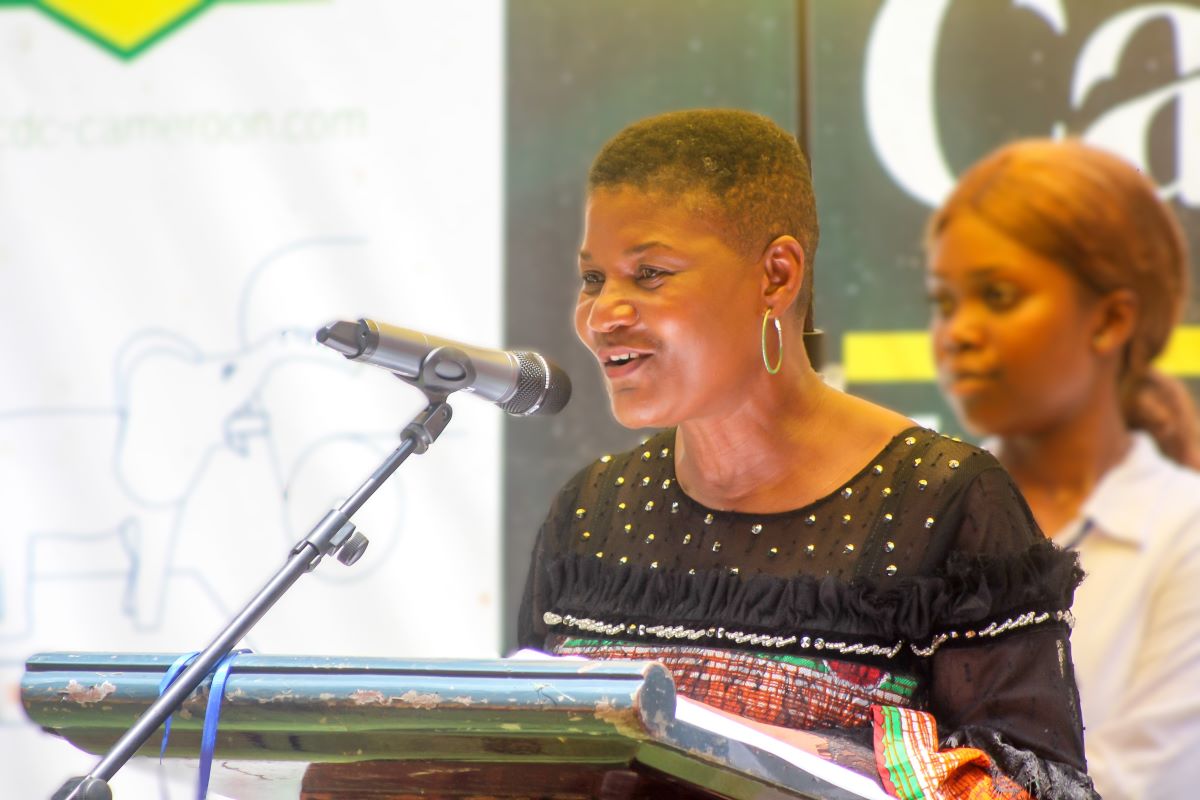
Limbe, Cameroon — Five years after conceiving the idea of bringing tourism stakeholders and local communities together under one roof, Agatha Iyok, CEO and Vision Bearer of the Cameroon International Tourism Fair (CITF), stood before a packed audience at the Limbe Botanic Gardens on March 19 to open the fair’s milestone fifth edition — and to lay out an ambitious roadmap for what comes next.
Addressing dignitaries including Minister of Tourism and Leisure Gabriel Mbaïrobe, the Governor of the South West Region, two Nigerian Consuls General representing the Northwest, Southwest, West, and Littoral Regions, the Senior Divisional Officer for Fako, Limbe City Mayor Dr. Paul Efome Lisombe Ngale, and visiting delegations from across Africa and beyond, Iyok delivered a speech that was equal parts celebration, strategic vision, and rallying call.
“It is five years ago that this idea of bringing tourism stakeholders and the population together for a common purpose was birthed,” she said. “Today, we are gathered for the fifth edition, focused on Synergizing Tourism, Culture and Trade.”
Cameroon: Where Tradition Meets Modernity
Iyok opened her address by framing Cameroon’s unique positioning in the global tourism landscape. “In Cameroon, where tradition meets modernity, the fusion of tourism, culture and trade is brewing a unique economic solution,” she said, invoking the country’s celebrated identity as “Africa in Miniature.”
She called on visitors, investors, and entrepreneurs to recognize Cameroon’s cultural tapestry as a dynamic economic asset — one capable of reshaping local economies and projecting the nation’s tourism brand onto the world stage.
Limbe Unveiled: A Destination Beyond The Beaches
For first-time visitors to Limbe and Cameroon, Iyok offered a vivid portrait of the city’s layered tourism offering — far beyond its famous black-sand beaches. She highlighted:
- Mount Cameroon — the highest peak in Central and West Africa, rising dramatically at Limbe’s doorstep
- The Bimbia Slave Route — once the largest slave port in Central and West Africa, now a site of historical reflection and heritage tourism
- The Alfred Saker Monument — a landmark of missionary history
- The Ekande Monument, honoring a Congolese fisherman who settled in Limbe and became a foundational figure in the city’s coastal community. His legacy reflects the deep maritime roots and cross-border cultural ties that define Limbe’s identity
- The War Graves at the Botanic Garden — a solemn reminder of the city’s layered past
- The River Limbe — corrupted from Limburg, name of a German engineer believed to have constructed a bridge across one of the rivers in the city
- The Limbe Wildlife Centre and surrounding hotels — anchoring the city’s ecotourism and hospitality infrastructure
- Limbe’s cosmopolitan character — a vibrant cultural mosaic shaped by communities from Nigeria, Benin, Togo, Ghana, and Cameroon’s own diverse native tribes
Four Cultural Zones, One Stage
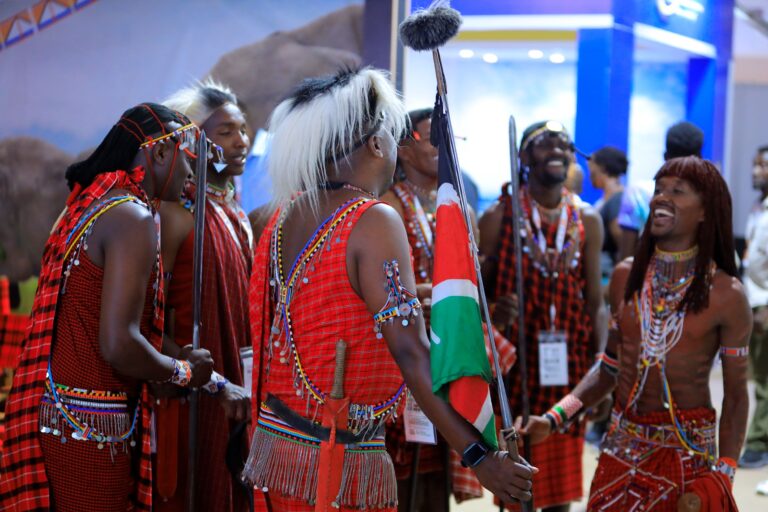
A defining feature of CITF 2026, Iyok explained, is its deliberate showcase of Cameroon’s four distinct cultural zones: the Sudanese-Sahelian, Fang-Beti, Sawa, and Western Grasslands. Each zone brings its own traditions, dances, artifacts, and gastronomy to the fair — creating an immersive, continent-in-miniature experience for every attendee.
“Through panel discussions, cultural showcases, hospitality tours, and immersive experiences, we will demonstrate the power of tourism as a driver of economic growth, cultural pride, and sustainable development,” she said.
A Continental Gathering
Iyok expressed pride in welcoming delegations from African countries like, Nigeria, Ghana, South Africa, Ethiopia, Zambia, Zimbabwe, and numerous other nations like Brazil and Poland — a turnout she described as proof that “tourism thrives on collaboration.”
“Your presence here affirms that Central Africa is ready to take its rightful place as a hub of opportunity and innovation,” she declared, positioning CITF not merely as a national event but as a continental platform with global reach.
She also underscored the fair’s alignment with Cameroon’s national policy priorities, noting that CITF is built on the pillars of sustainable tourism, inclusive growth, and community empowerment — values that mirror the government’s own development agenda.
More Than an Exhibition: A Platform for The Future
In her closing remarks, Iyok articulated a vision of CITF that transcends the conventional trade fair format.
“This fair is more than an exhibition,” she said. “It is a platform where business meets culture, where ideas meet execution, and where partnerships are born to shape the future of tourism in our region.”
She called on all participants to engage fully, share boldly, and celebrate joyfully — urging stakeholders to collectively “build circuits of connectivity, strengthen shared branding, and modernize destination management” across Central Africa.
Her closing words carried the conviction of a founder who has watched a single idea grow into a continental gathering: “Long live the Cameroon International Tourism Fair.”