Dolwe Island: Uganda’s Secret Stone Temple and Its 9,000-Year-Old Whispers
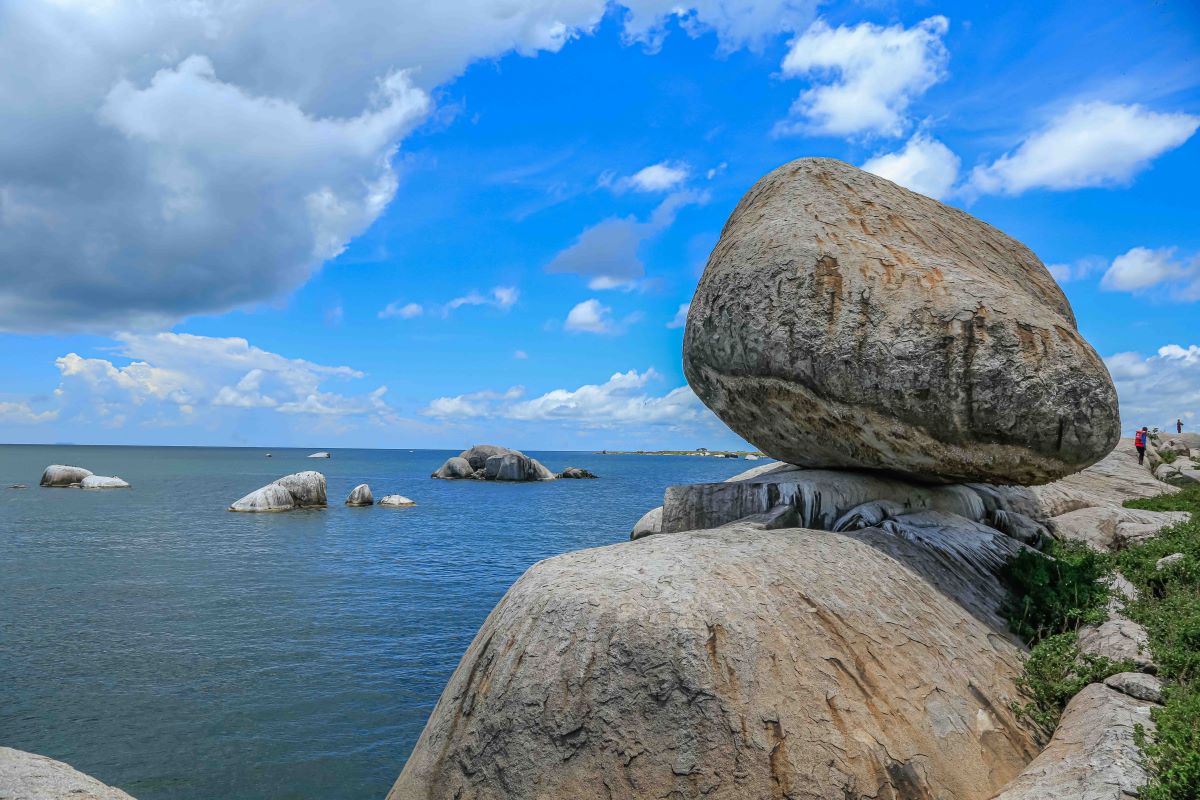
Imagine an island where time stands still — where colossal granite boulders, piled like the playthings of giants, guard secrets thousands of years old. This is Dolwe Island, one of Lake Victoria’s best-kept secrets: a place where ancient artists’ whispers echo from rock shelters and the lake’s rhythm sets the pace of life. Tucked near the Kenyan border, this 25-square-kilometre jewel isn’t just a destination — it’s a journey into a mysterious, living past.
A Landscape Sculpted by Time
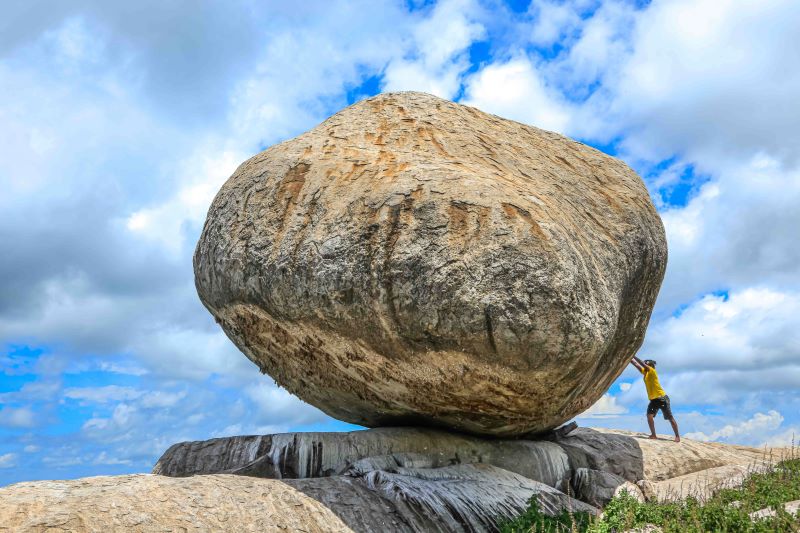
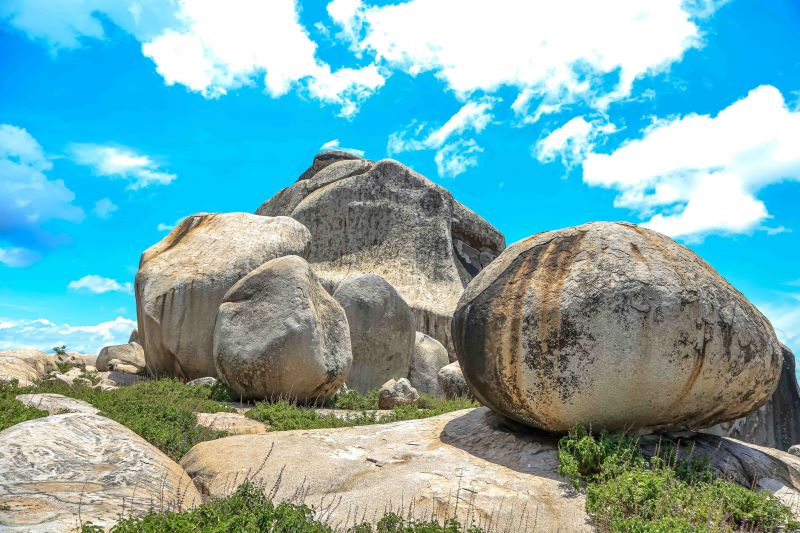
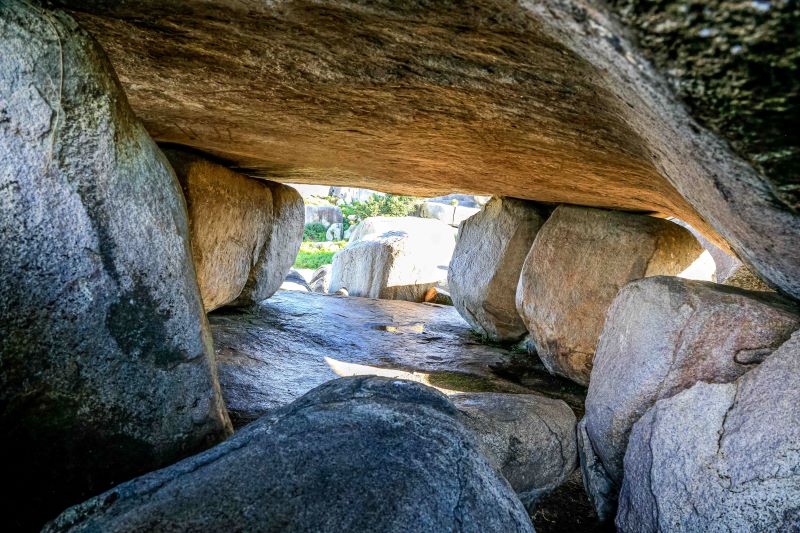
Dolwe’s topography is otherworldly: granite boulders rise like castles from rolling hills, framing one of Africa’s most remarkable — and least-known — collections of rock art. Hidden within these natural fortresses are messages from antiquity: paintings, carvings, and tens of thousands of mysterious ground hollows etched into stone. Known as “scoops,” these depressions are found nowhere else on the continent. Some rest on accessible slabs; others perch 15 metres high on near-inaccessible boulders — suggesting ritual, not utility.
Then there are the “rock gongs” — boulders that ring with a clear, musical tone when struck. Dolwe holds one of Africa’s largest concentrations of these lithic instruments, once used for communication and divination. The art itself is a tapestry: geometric “dumbbell” and concentric circle paintings at Bugire, likely by ancestral Twa people, sit alongside engravings that still puzzle archaeologists. This is a landscape that doesn’t just hold history — it breathes it.
Echoes of the Past
Dolwe’s story is as layered as its granite. Middle Stone Age tools suggest hunter-gatherers lived here over 11,000 years ago, when Lake Victoria’s waters were lower. Iron Age communities later left Urewe and roulette pottery — evidence of enduring settlement.
But the island’s modern history is one of upheaval. Oral tradition tells of the Bavuma people fleeing Buvuma Island in 1904, escaping disease and unrest. Dolwe itself was ravaged by epidemics in the 1920s and 1954, forcing mass evacuations — likely severing the oral traditions that might have explained the rock art’s origins.
Today, its population of around 10,000 is a mosaic of Ugandans and neighbours — yet the ancient power of the sites endures. Independent churches like the “Spirit of Israel” now conduct rituals in the very caves where artists once painted, recognising them as places of spirit. Candles burn beside millennia-old art — a living bridge between past and present.
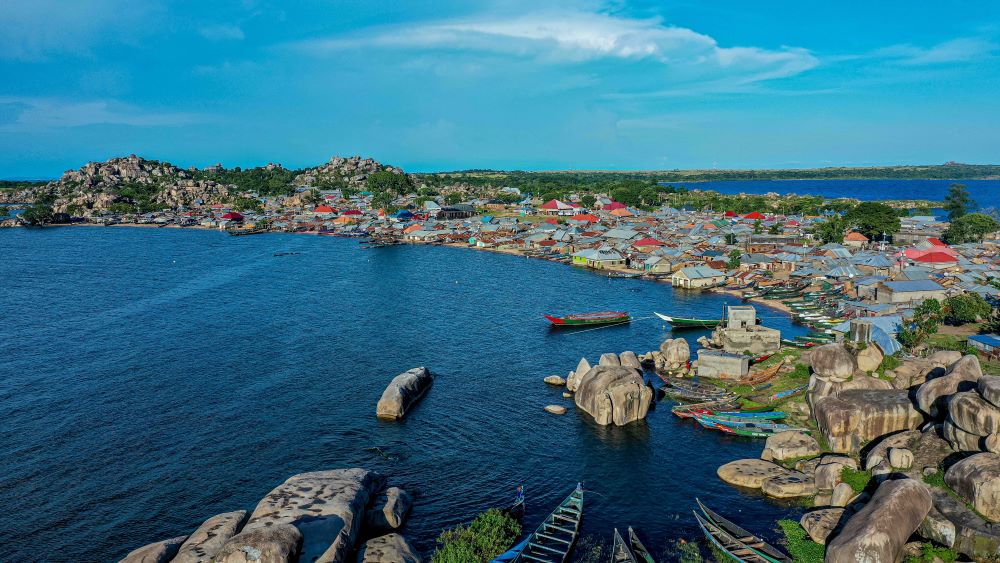
Life here revolves around the lake. Fishing sustains the community, with Nile perch and tilapia as staples. Golofa, the main town, hugs a rocky harbour; the rest of the island’s people live scattered across the north. No cars, no paved roads — only sandy paths navigated by boda boda (motorcycle taxis), preserving Dolwe’s wild, untouched charm.
An Adventurer’s Paradise
Dolwe is for explorers. Trails wind through granite landscapes, leading to rock art sites best discovered with a local guide. Visit Bugire’s vivid ceiling paintings, or trek to Singila and Kandega, where newly documented engravings reveal complex geometric patterns.
The experience is multi-sensory. Strike a rock gong — feel its vibration, hear its deep, resonant tone. Birdlife thrives here: pelicans and cormorants perch on sun-warmed boulders as you gaze across Africa’s largest lake, its blue waters dotted with white sails. It feels like the edge of an ocean — a place for quiet awe.
Planning Your Journey
Reaching Dolwe is part of the adventure. From Kampala, drive five hours to Bwondha landing site in Namayingo District. Then board the MV Sigulu ferry — a three- to four-hour voyage across calm waters that sets the tone for the magic ahead.
Once ashore, the lack of infrastructure is its greatest asset. No crowds, no noise — just raw, unspoiled beauty. Perfect for those seeking escape.
Where to Stay: La Fang Eco Resort
For comfort without compromise, La Fang Eco Resort offers a tranquil base. Designed to harmonise with the landscape, it features verandas overlooking Lake Victoria or granite kopjes. The resort arranges guided tours, boat trips, and birdwatching excursions — ensuring you experience Dolwe’s highlights while resting sustainably.
Why Dolwe Stays With You
Dolwe Island is more than a destination — it’s a feeling. The chill of touching 9,000-year-old pigment. The echo of a rock gong across water. The warmth of a community guarding a legacy they’re only beginning to understand. For the intrepid traveller, it’s an unmissable jewel in Lake Victoria’s crown — ancient, alive, and utterly unforgettable.
Dolwe Island: Uganda’s Secret Stone Temple and Its 9,000-Year-Old Whispers was first published in Travels & Thrills magazine Vol. 2, Issue 2 (May 2026)