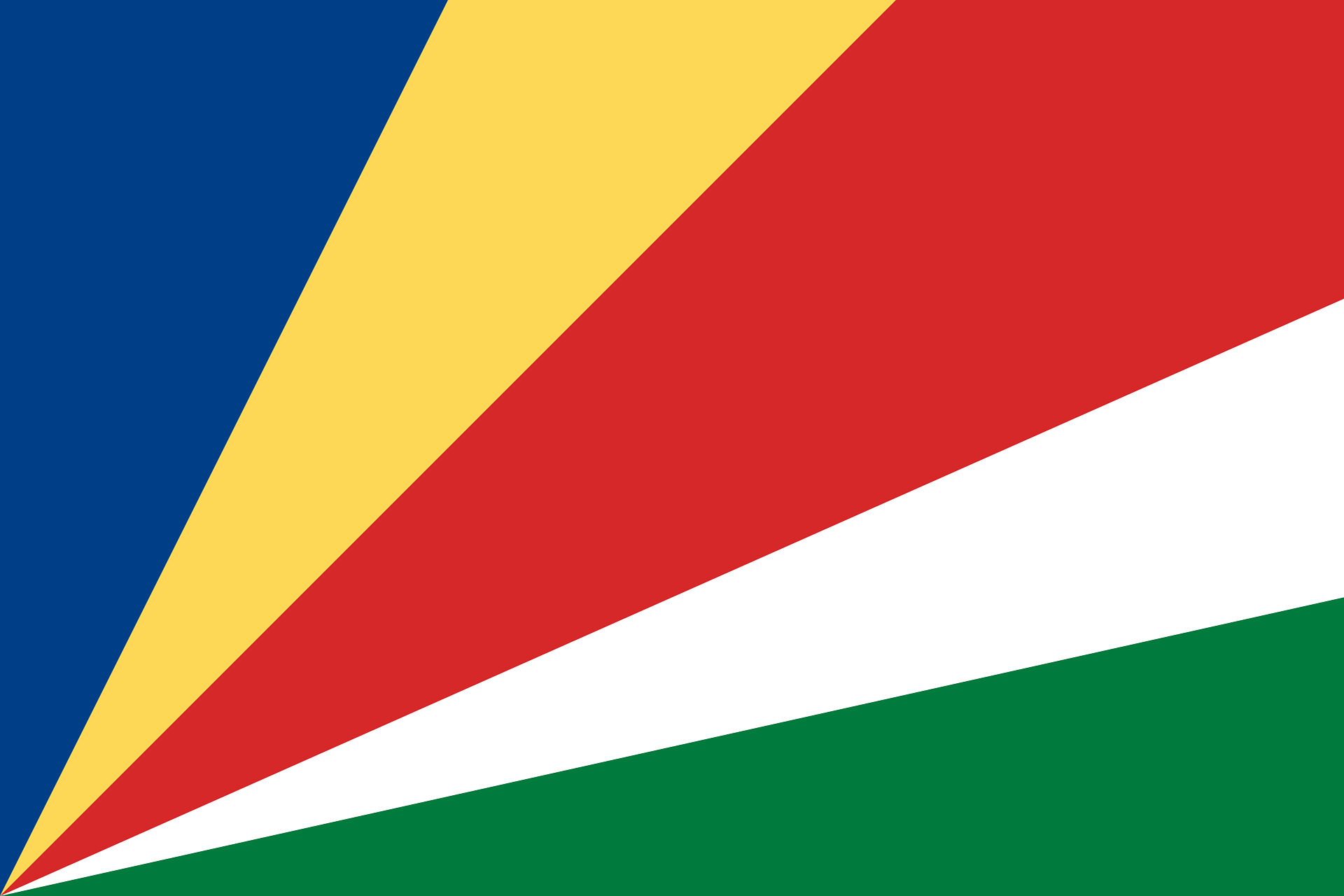
A Nation at 50: Seychelles Marks Independence Milestone
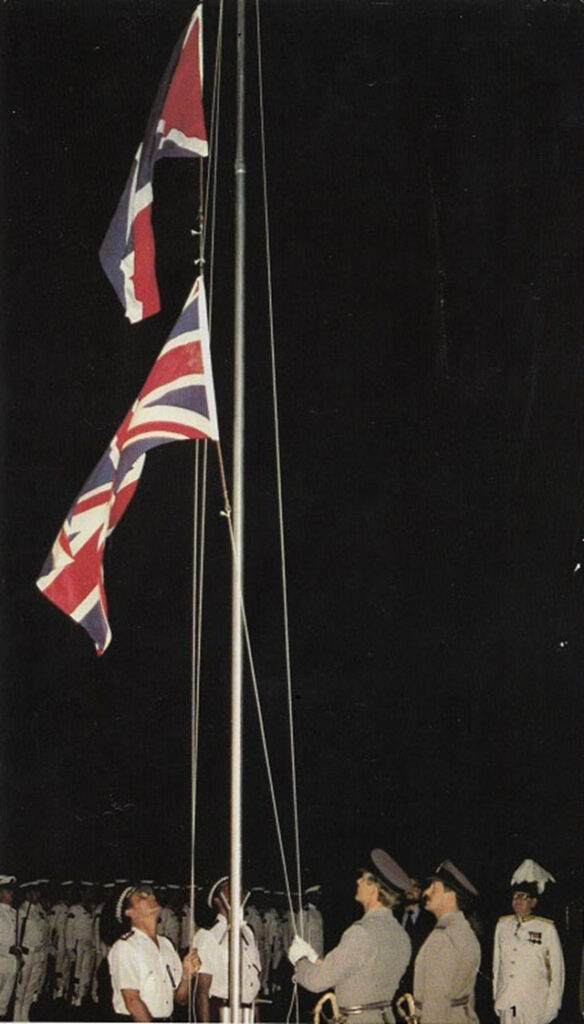
Seychelles is set to mark a major national milestone as it celebrates 50 years of independence from Great Britain on June 29, 2026, commemorating the moment the island nation became a sovereign republic after more than a century and a half of colonial rule.
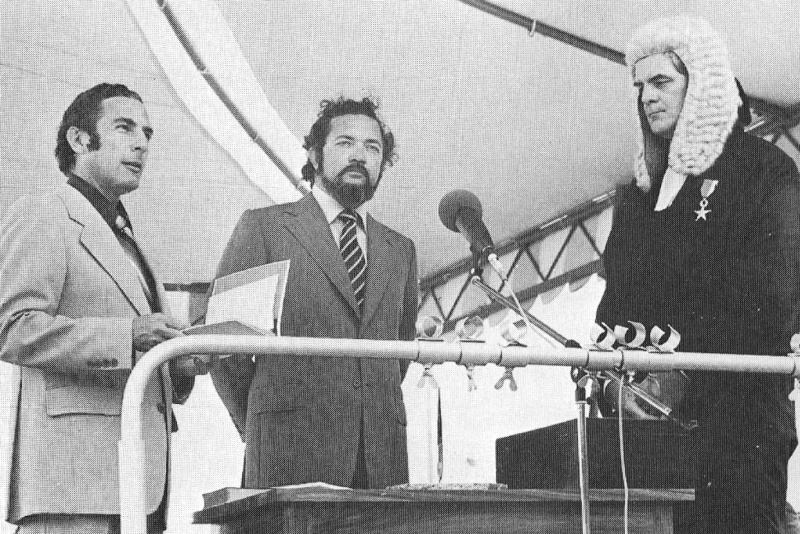
The historic transition took place on June 29, 1976, when Seychelles formally ended 165 years under British administration. A coalition government was formed between the Seychelles Democratic Party (SDP), led by James Richard Mancham, and the Seychelles People’s United Party (SPUP), led by France Albert René. Mancham became the country’s first President, while René assumed the role of Prime Minister.
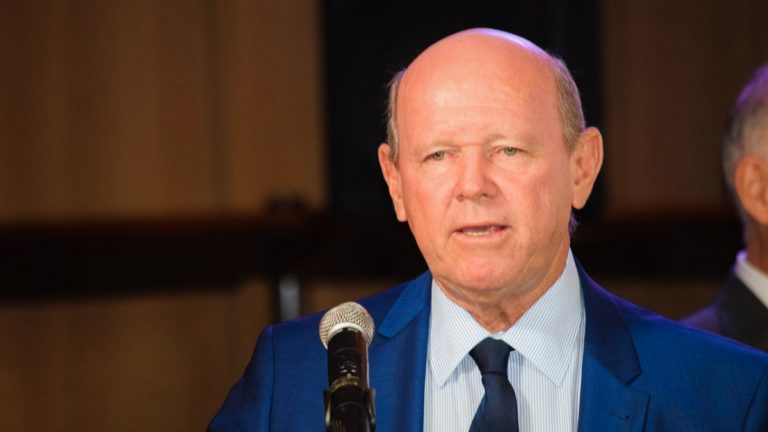
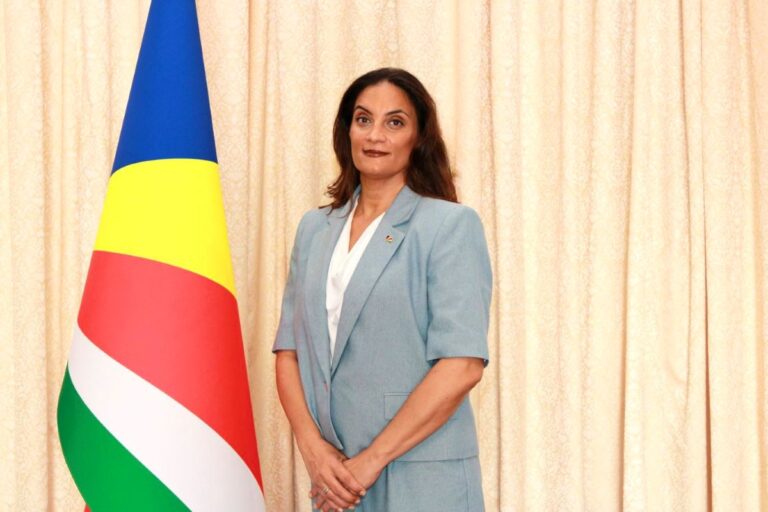
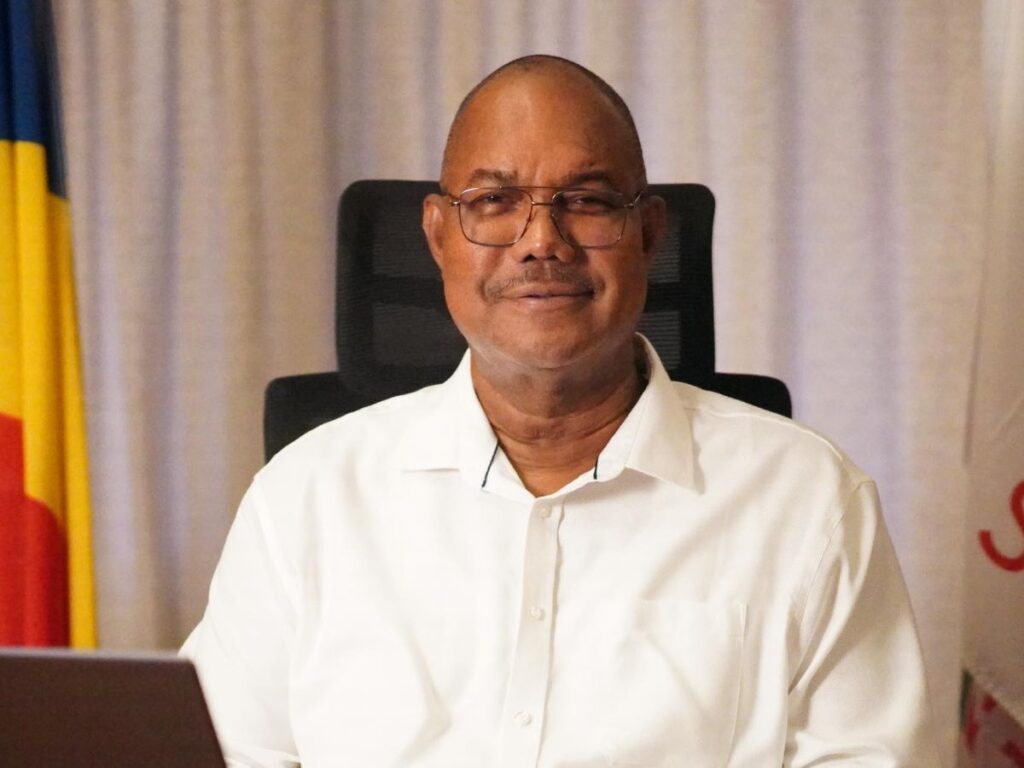
This year’s golden jubilee celebrations will be led by President Dr. Patrick Herminie, with events expected to highlight the country’s political journey, cultural identity, and development since independence.
Independence and Transition
The path to independence was finalized earlier in 1976 during a third Constitutional Conference held at Marlborough House in London. The meeting brought together key political figures, including Governor Collin Hamilton Allen, Mancham, René, and representatives of the Legislative Assembly.
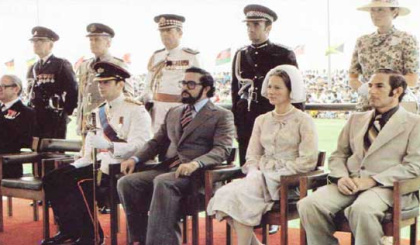
As part of the independence agreement, the United Kingdom returned several islands—Aldabra, Farquhar, and Desroches—which had previously been separated to form part of the British Indian Ocean Territory. Independence ceremonies were held in Victoria, attended by representatives of Queen Elizabeth II, including the Duke and Duchess of Gloucester.
Roots of Political Change
Seychelles’ political evolution was gradual and at times complex, shaped by its colonial legacy and diverse population. After becoming a Crown Colony in 1903, political participation remained limited, though early advocacy groups such as the Seychelles Taxpayers and Planters Association began pushing for greater autonomy.
The islands held their first elections in 1948, marking a significant step toward representative governance. However, it was not until the 1960s that a modern political movement took shape. The formation of the Seychelles Islanders United Party (SIUP) in 1963 signaled the beginning of organized political activity focused on social welfare and democratic reform.
Soon after, two dominant parties emerged: the SPUP, which advocated for independence, and the SDP, which favored closer integration with Britain. Their rivalry defined Seychellois politics throughout the 1960s and early 1970s.
Road to Sovereignty
Constitutional reforms in 1967 introduced universal adult suffrage and expanded elected representation. Subsequent elections and political negotiations paved the way for greater autonomy, including the establishment of a Governing Council and, later, a Legislative Assembly.
In 1970, a constitutional conference in London created a new framework for governance, leading to elections in which the SDP secured a majority and Mancham became Chief Minister. A second conference in 1975 resulted in a coalition government between the SDP and SPUP, and Seychelles attained self-government later that year, with Mancham serving as Prime Minister.
The final constitutional talks in January 1976 sealed the decision for full independence, achieved just months later.
A Golden Jubilee
As Seychelles reflects on its journey from colonial territory to independent republic, the 50th anniversary celebrations are expected to underscore both historical achievements and future aspirations. With a population of just over 60,000 at the time of independence, the nation has since grown into a stable island state with a distinct identity in the Indian Ocean region.
The upcoming commemorations aim not only to honor the leaders and movements that shaped independence but also to celebrate the resilience and unity of the Seychellois people over five decades of nationhood.