Minister De Lille Allocates R2.54bn to Spread Tourism Benefits Nationwide
South Africa unveils new tourism push with direct Madrid route, smart hubs, and R2.54 Billion Budget
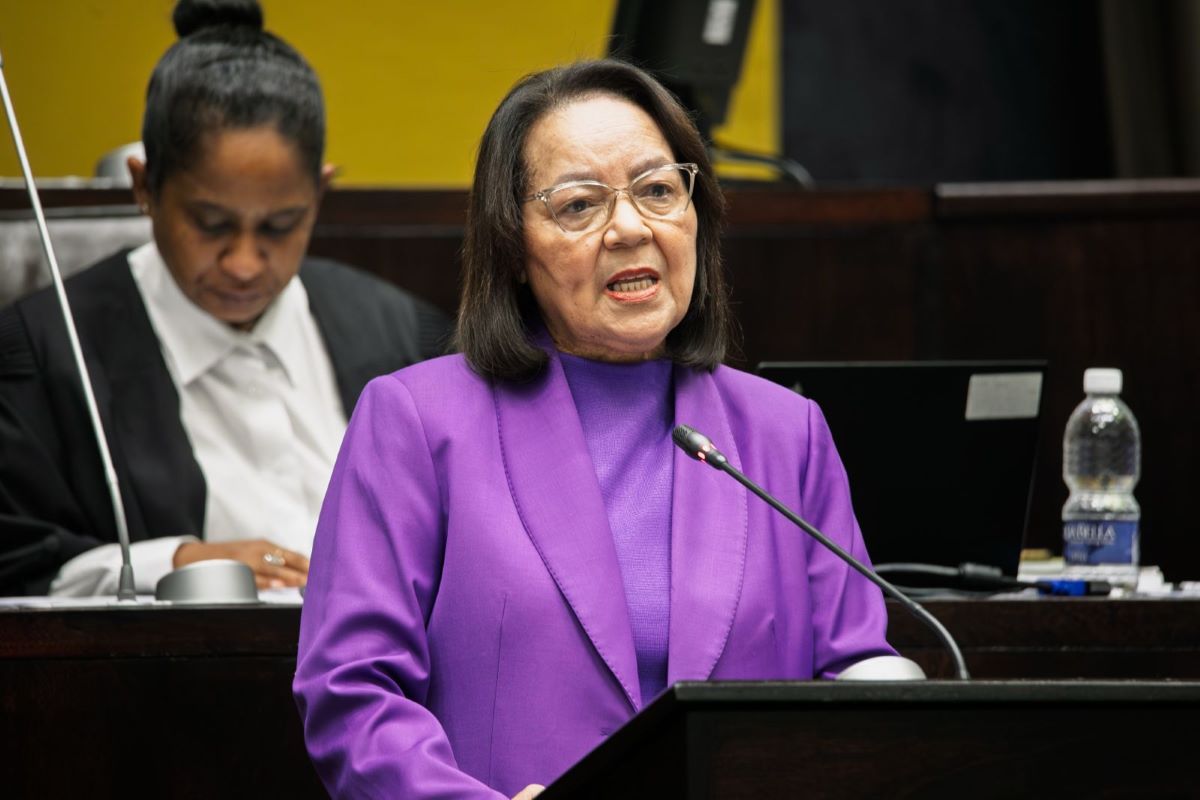
Cape Town — South Africa’s tourism minister, Patricia de Lille on Wednesday hailed growing international confidence in the country’s travel market and outlined government plans to spread tourism benefits nationwide, during her Budget Vote 38 speech to the National Council of Provinces.
Minister de Lille told legislators that Air Europa will begin thrice-weekly flights between Madrid and Johannesburg on Thursday, calling the new route an endorsement of the cabinet-approved Tourism Route Development Marketing Plan. Flight UX157 will depart Madrid late Wednesday and arrive at OR Tambo International Airport at 09:50 on Thursday, she said.
“The strategy seeks to increase direct connectivity, while ensuring marketing support and alignment with provincial route development structures,” De Lille told the council.
Smart Visitor centres, film leverage, festivals
De Lille said incoming international visitors will find “one of the innovations that reflects our vision for tourism growth”: the Smart Visitor Information Centre (Smart VIC). Launched ahead of last year’s G20 summit, the digital, paperless hub showcases experiences from all nine provinces and is designed to steer tourists beyond major attractions to “hidden gems” in towns and villages.
With a record 10.5 million international arrivals in 2025, the minister said initiatives such as the Smart VIC are part of ensuring tourism’s economic benefits reach more communities.
“Tourism policy is economic policy,” De Lille told the council, noting that the Department of Tourism has been allocated R2.54 billion for the 2026/27 financial year to expand opportunities in provinces, townships, small dorpies and villages.
She highlighted closer coordination with provinces through quarterly MinMEC meetings and an ongoing push to promote provincial events calendars nationally. As an example, De Lille said visitors attending this week’s Kirkwood Wildsfees in Nqweba, Eastern Cape, are seeing the value of that collaboration first-hand.
Trade shows, conventions and investment
De Lille emphasised the role of trade shows and the South African National Convention Bureau in attracting business events. All nine provinces, municipalities and tourism businesses participated in Meetings Africa 2026, she said, and Africa’s Travel Indaba is being modernised following public and industry input to keep the longstanding platform competitive.
The Convention Bureau secured 66 international and regional conferences in 2025/26 that will be hosted across multiple provinces, including Cape Town, Durban, Johannesburg, Sun City and Tshwane. Those events are expected to contribute more than R1.2 billion to the economy between 2025 and 2030, De Lille said.
“To date, tourism sustained over 954,000 direct jobs in 2024 and contributed 4.9% to GDP,” she added, citing Statistics South Africa’s Tourism Satellite Account and noting tourism outperformed agriculture, utilities and construction.
Infrastructure pipeline and private investment
De Lille outlined government efforts to unlock tourism infrastructure investment. The inaugural Tourism Infrastructure Investment Summit showcased eight bankable projects worth about R1 billion, she said, and three have already secured funding. Submissions are open for a second summit set for 30 September–1 October in Gauteng; 22 projects are currently being screened for investment readiness.
The minister listed several Department-funded projects nearing handover in 2026/27, including:
- R19 million spent on chalets and visitor facilities in Nyandeni, Eastern Cape.
- R20 million invested in new chalets, fencing and road upgrades at Lehurutse Trophy and Bird Hunting camp in the Northwest.
- Nearly R30 million for refurbishment and new amenities at the Isibhubhu event facility in KwaZulu-Natal.
Private investors are also betting on South Africa. De Lille said Club Med — the French luxury resort operator — will next week open a R2.5 billion Safari and Beach Resort in KwaZulu‑Natal, a “powerful vote of confidence” ahead of the SADC leaders’ summit in Durban next month.
Domestic tourism and short-term rentals
Domestic tourism, De Lille said, remains the sector’s backbone. The annual Sho’t Left Travel Week campaign — which offers discounted travel deals submitted by tourism businesses — recorded 719 deals last year and helped drive 44.7 million overnight trips in 2025, generating R111.6 billion in revenue.
She pointed to strong growth in less-visited provinces: Northern Cape overnight trips rose 58.4% to 1.9 million, while the Northwest recorded 34% growth to 4.2 million trips. The minister said these shifts show co-operation between national, provincial and local stakeholders is starting to open new tourism markets beyond established destinations.
On short-term rentals, De Lille said the department received more than 6,700 public submissions on the Draft Code of Good Practice gazetted earlier this year. The final code will be published once submissions are analysed.
Film, culture and “soft power”
The minister also highlighted the role of film and television as tourism drivers. Citing research and streaming-platform data, De Lille said audiences who watch South African content are more likely to choose the country as a travel destination and pointed to the local production The Polygamist, which drew 2 million viewers in its first week on Netflix and ranked highly among non-English titles.
“Every viewer is a potential visitor,” De Lille said, urging continued support for international and local film productions as a means of promoting South Africa globally.
Looking ahead
De Lille framed the department’s programme as aligned with the Government of National Unity’s priorities for economic growth and job creation, and said continued public- and private-sector investment will be essential to ensure tourism spreads wealth across provinces, towns and rural areas.
The minister wrapped up by inviting industry and the public to engage with the department’s plans — including the upcoming investment summit and the final short‑term rental code — as South Africa positions itself for further tourism growth.