Ngondo: Where Water Spirits Whisper in Cameroon’s Coastal Heart
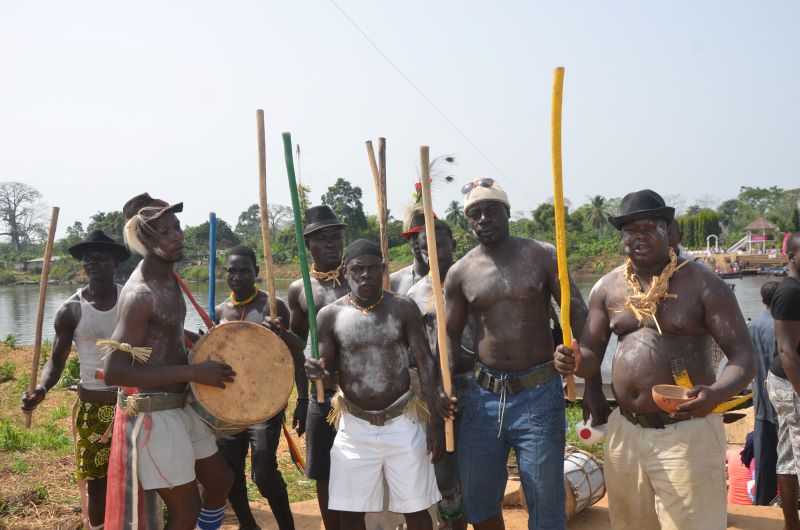
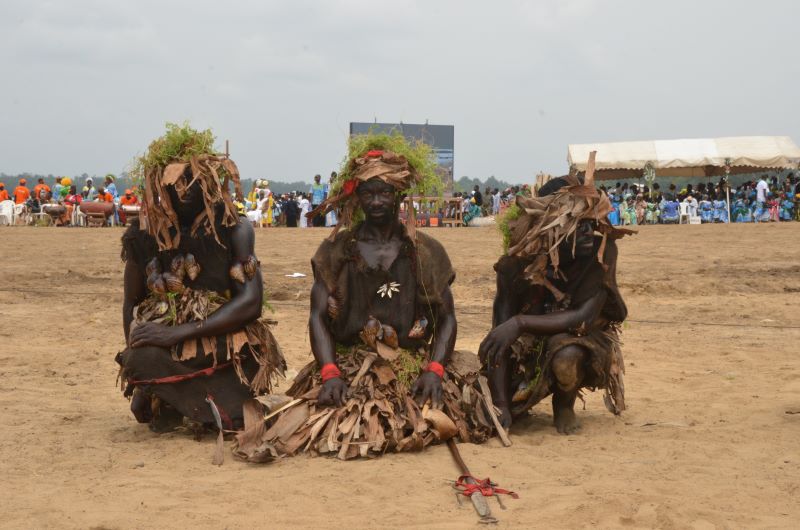
Mysticism and culture are inseparable across Africa — especially in Douala, Cameroon’s vibrant coastal capital. Here, the Sawa people — a collective term for some thirty coastal tribes — celebrate Ngondo, an ancient water festival honoring the jengu, mystical spirits of the deep. This isn’t folklore — it’s living heritage, now recognized by UNESCO as Intangible Cultural Heritage.
The Jengu: Guardians of the Deep
According to Sawa tradition, the jengu (singular) are water spirits — leaders of a class of beings known as miengu. They’re invoked for healing, protection, and good fortune. For young women, especially among the Bakweri, initiation into the jengu cult marks a sacred rite of passage. But the grandest expression of this devotion is Ngondo itself.
Rituals, Rites, and River Races
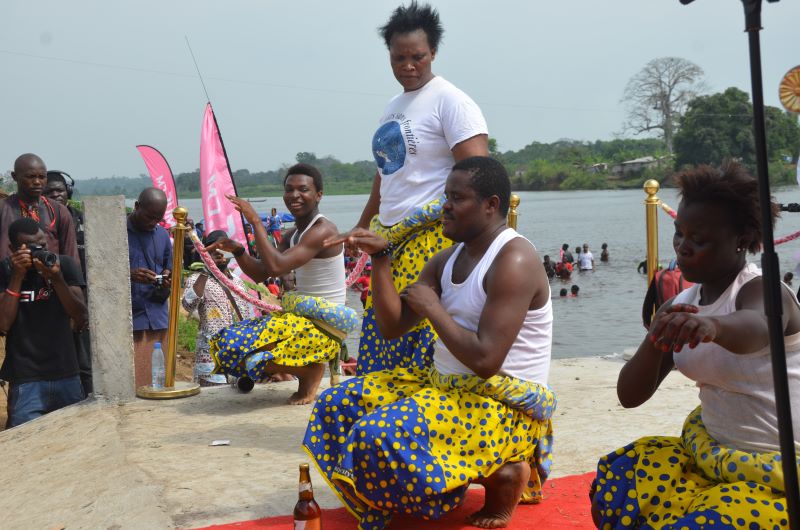
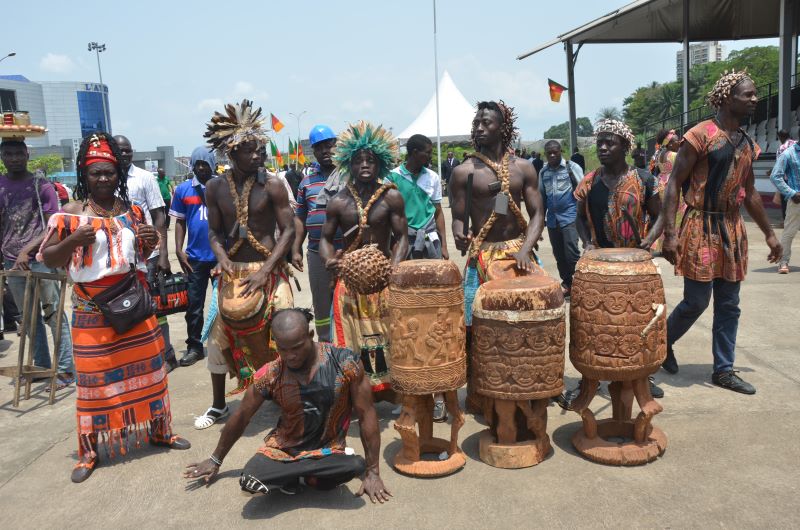
Ngondo unfolds over ten days each December, culminating on the first Sunday of the month. Highlights include:
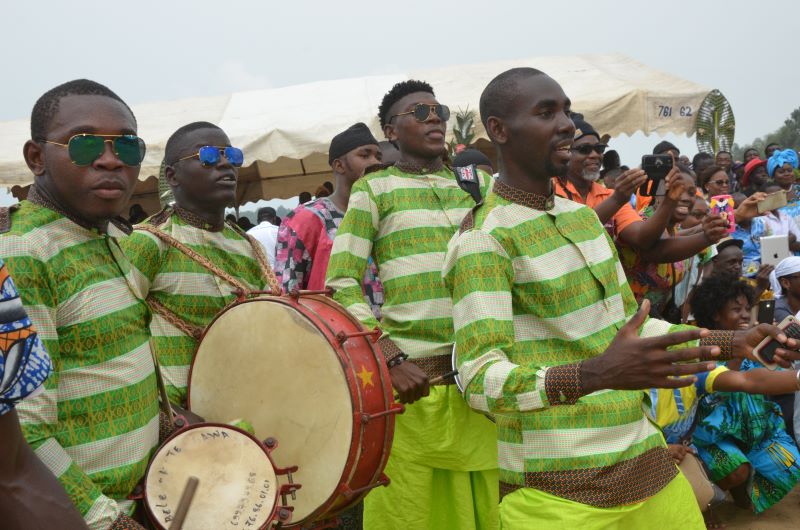
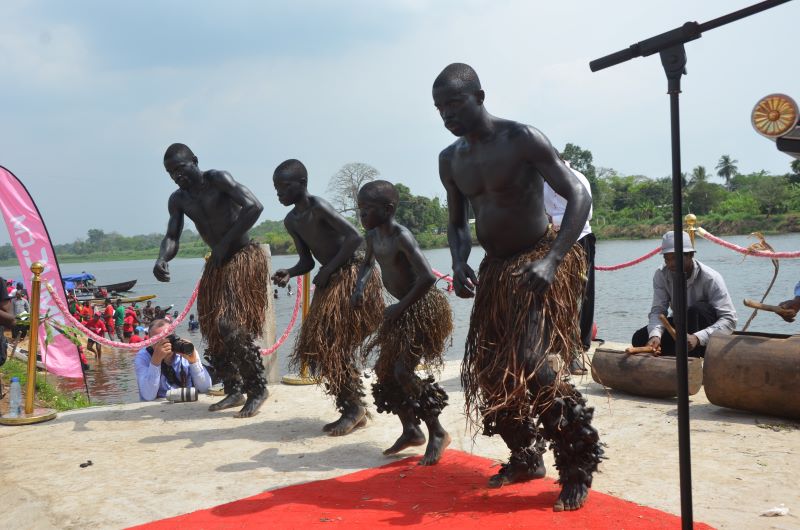
- Dance processions echoing ancestral rhythms
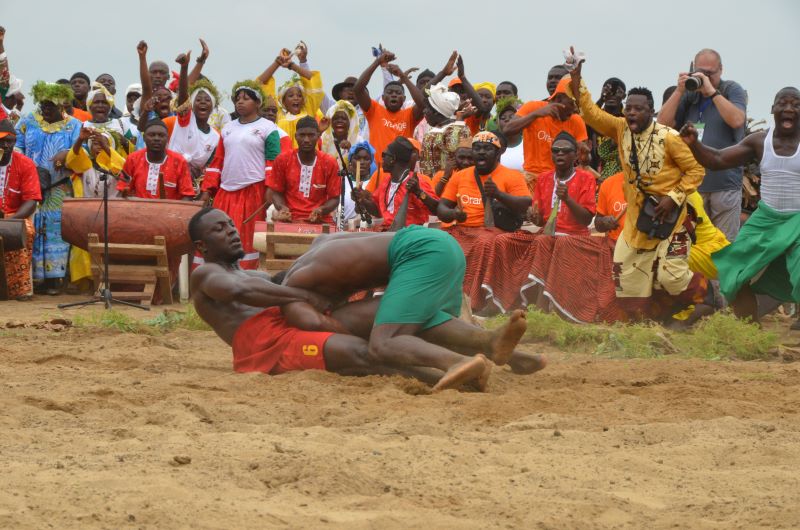
- Traditional wrestling matches
- Miss Ngondo pageant — a modern twist on tradition
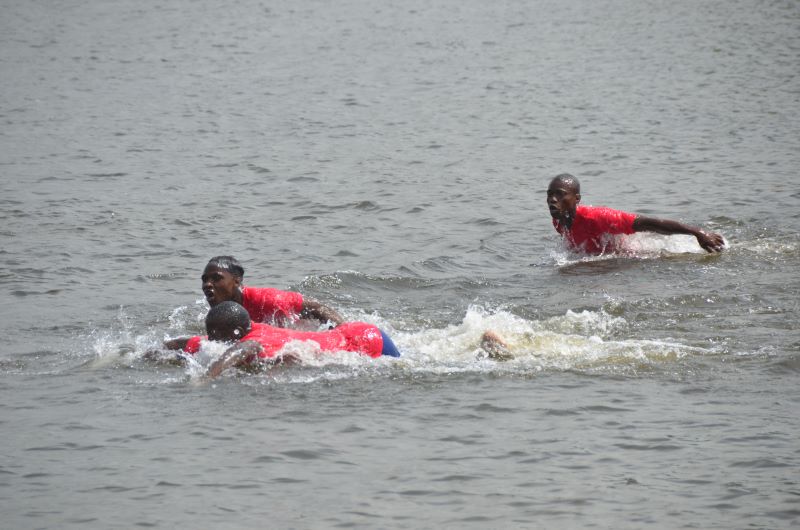
- Dugout canoe races — some crewed by up to 70 oarsmen
The festival also marks the start of the dry season in one of the wettest regions on Earth — a symbolic transition celebrated with fervor.
Wouri: The River That Named a Nation
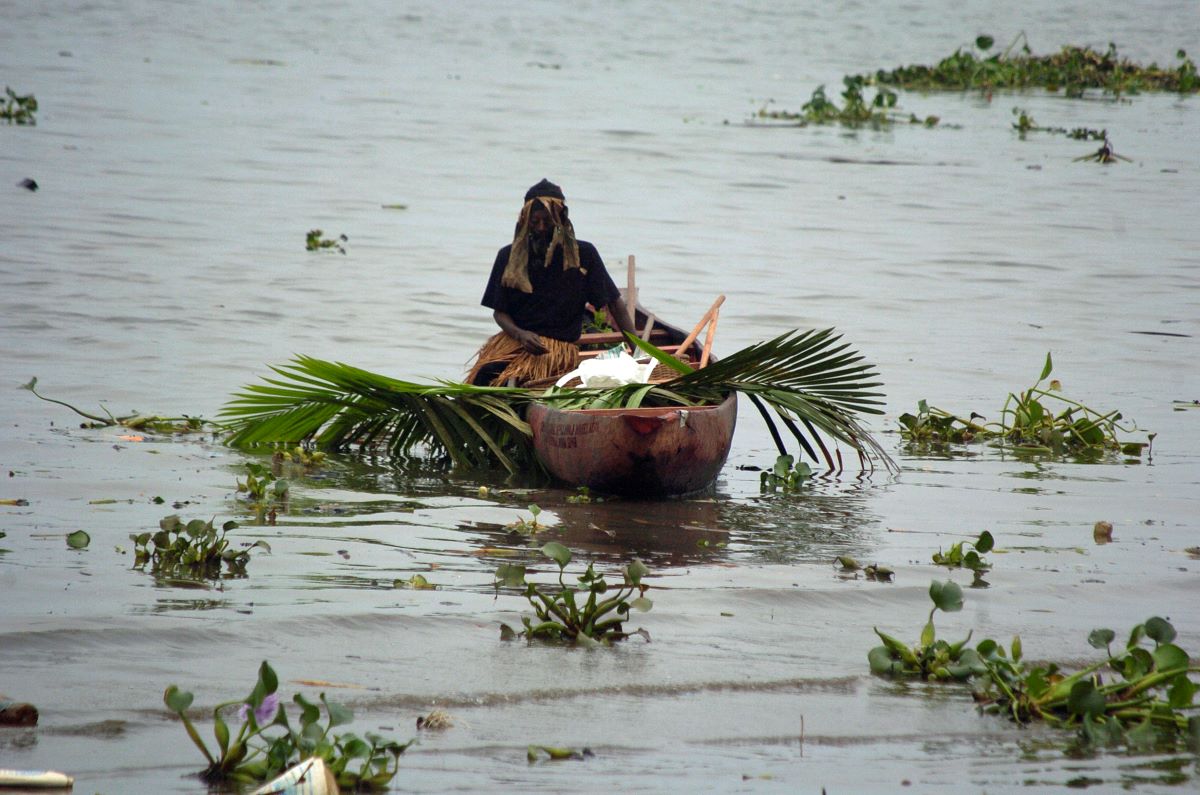
The Wouri River is central to Ngondo — and to Cameroon’s identity. On the eve of the final day, initiates gather at Djebalé Island for private ceremonies, preparing offerings to the jengu.
Historically, the river gave Cameroon its name: In 1472, Portuguese explorer Fernando Pó dubbed it Rio dos Camarões — “Prawn River” — after the abundance of crustaceans. The name stuck, evolving into “Cameroon.”
Meeting the Spirit: The Sacred Dive
On the final day, priests, dignitaries, and crowds gather at the riverbank. The ceremony begins with the immersion of a sacred vase. A pirogue glides out, and an initiate dives — not for sport, but for prophecy. His mission: descend to the underwater kingdom and retrieve an oracle for the year ahead.
As he dives, priests summon the spirits with chants and cries. Legends claim he can stay submerged for an hour — but reliable accounts suggest around nine minutes. Miraculously, he emerges dry. The calabash he carries is taken to a sacred hut, where priests interpret the message before revealing it to the crowd.
A Festival Reborn
Banned in 1981, Ngondo was revived in 1991 and has since grown into a national celebration — drawing thousands to Douala’s riverbanks. As 23-year-old participant Michel Olivier Ebelle Elokan says: “Tradition doesn’t die.”
Travel Tip: Visit in early December — dates vary slightly each year, often aligned with the lunar calendar. Pack for humidity, and respect sacred spaces: children are barred from the dive ceremony.
Cover image by Mbiele Happi. Other images by Photokadaffi