Cheetahs Return to Eswatini After 35-Year Absence in Major Conservation Milestone
Royal Jozini Private Game Reserve becomes home to four reintroduced cheetahs, sparking hope for the species’ recovery in the Kingdom
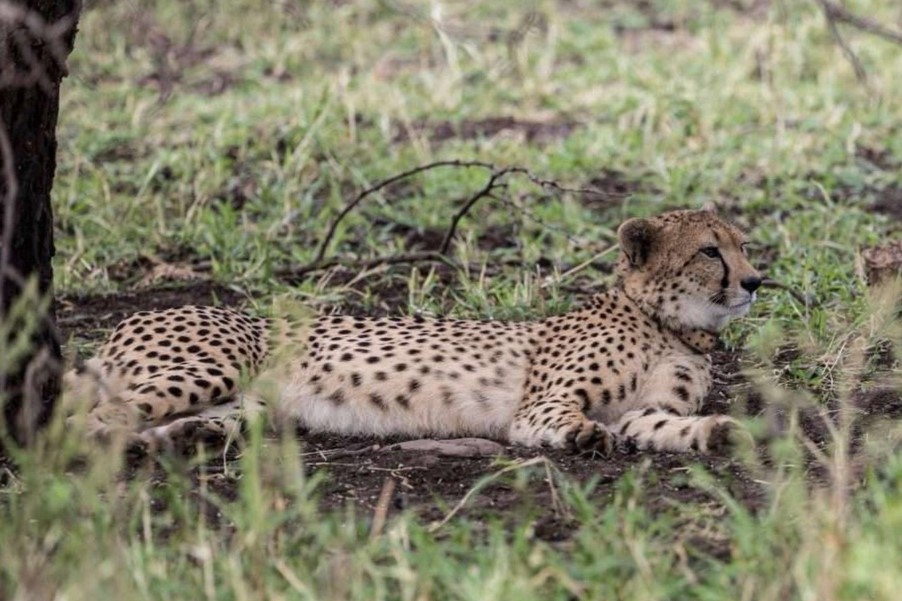
In a landmark moment for African conservation, four cheetahs have been successfully reintroduced to Eswatini, ending a 35-year absence of the species from the Kingdom. The two males and two females now roam the 13,000-hectare Royal Jozini Private Game Reserve, raising expectations that the first cheetah cubs in decades could soon be born on Eswatini soil.
A Regional Conservation Victory
The reintroduction is part of the Southern African cheetah metapopulation programme, a collaborative effort to restore and manage cheetah populations across the region. With fewer than 7,000 cheetahs remaining in the wild globally—and only around 1,000 in South Africa—every successful reintroduction carries significant weight for the species’ survival.
The project unfolded in two phases:
- December 2025: Two adult females were moved from Nyosi Wildlife Reserve in South Africa’s Eastern Cape, quarantined, and released into Royal Jozini in January 2026.
- April 2026: Two adult males from Dinokeng Game Reserve in Gauteng joined them after veterinary checks and acclimatisation.
Conservationists report that the females have adapted remarkably well, hunting successfully and establishing territories. The males, tracked via satellite and VHF collars, are ranging across the reserve’s northern and eastern sections. Recent data shows the groups are occupying neighboring areas, boosting the likelihood of breeding.
Why Royal Jozini?
Royal Jozini was chosen after a rigorous feasibility assessment by The Metapopulation Initiative and reserve partners. The reserve offers:
- Abundant prey species (impala, nyala, wildebeest, kudu, warthog, duiker, steenbok, reedbuck)
- No lions and only sparse populations of leopards and hyenas—key predators that threaten cheetahs and cubs
- A low-risk environment ideal for cheetah recruitment and long-term survival
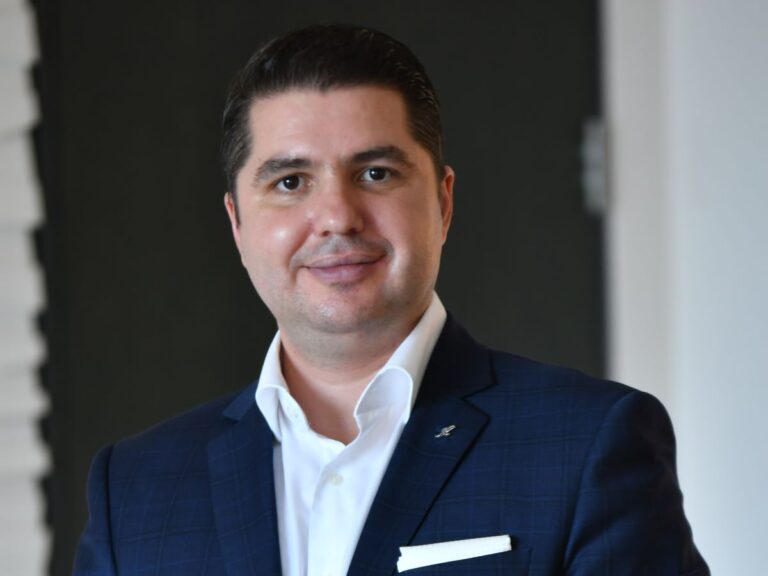
“This creates a relatively safe environment for cheetah recruitment and supports successful re-establishment of the species in the new ecosystem,” said Jay Azran, managing director of Royal Jozini.
Breeding Hopes and Genetic Value
While breeding is the next major milestone, experts caution that success isn’t guaranteed. First-time mothers often struggle to raise their first litters, noted Kulani Nyakane of The Metapopulation Initiative. However, the selected animals bring strong genetic value:
- Males hail from lineages with proven adaptation and breeding success
- Females are at an advanced stage of rewilding, primed for natural integration
“The males and females bring important genetic diversity and support the long-term stability of the regional cheetah metapopulation,” Nyakane said.
If breeding succeeds, the first cubs could arrive before the end of 2026, marking a historic return for Eswatini’s natural heritage.
Partners and Future Outlook
The project united a coalition of conservation leaders:
- Royal Jozini Private Game Reserve
- Nyosi Wildlife Reserve
- Dinokeng Game Reserve
- Global Humane Conservation Fund of Africa
- The Metapopulation Initiative
- Kifaru Wildlife Veterinary Services
- Wildlife Emergency Fund
- Conservation authorities in South Africa and Eswatini
The four cheetahs currently represent the only cheetahs in Eswatini. Conservationists envision a future where the population expands beyond Royal Jozini through a national metapopulation network involving additional reserves.
A New Era for Wildlife Tourism
The return of cheetahs elevates Eswatini’s profile as a premier wildlife destination. For visitors to Royal Jozini and the Lubombo region, the chance to witness these elusive predators in their natural habitat adds a compelling new dimension to the Kingdom’s conservation and tourism story.
“Seeing these four cheetahs return to landscapes where they once disappeared represents more than the recovery of a species; it represents hope, restoration and a renewed future for cheetahs,” Nyakane added.