Beyond Festivals: Why Nigeria Must Learn to Sell Everyday Culture
Nigeria’s culture has never been seasonal. It has always been alive in our homes, our markets, our kitchens, our conversations, and our communities.
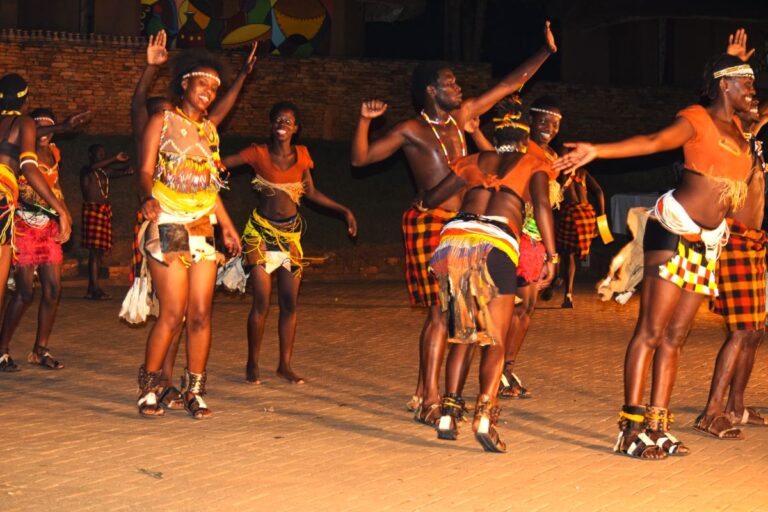
Every time a major cultural festival approaches in Nigeria, the same excitement fills the air. Social media timelines come alive with colorful flyers. Hotels begin receiving reservations. Local governments dust off tourism slogans, and travelers start making plans. For a few days, communities become the center of attention. Then, the celebrations end, visitors return home, and the spotlight quietly fades until the next festival season.
It is a familiar cycle. But somewhere within it lies a question the industry has not asked often enough: Why are we waiting for festivals to celebrate our culture?
Culture was never designed to exist only on event calendars. It wakes before sunrise in the woman preparing akamu over a charcoal stove. It greets customers in the trader who still bargains with humor inherited from generations before him. It echoes through the rhythmic tapping of a blacksmith’s hammer in Awka, the patient weaving of Akwete cloth in Abia, the colorful conversations inside Kofar Mata Dye Pits in Kano, and the comforting aroma of fresh ofe nsala drifting from a family kitchen. These are not performances. They are everyday life.
Yet, in our efforts to promote tourism, we often overlook them. For decades, Nigeria has built its cultural tourism almost exclusively around festivals. From the grandeur of traditional celebrations to masquerade displays and annual carnivals, these events are valuable assets. They preserve identity and strengthen communities. However, festivals occupy only a few days each year. Culture lives every single day. That distinction matters.
A traveler arriving in Nigeria in March instead of December should not feel they have missed the country’s cultural experience. A visitor spending an ordinary Tuesday in Enugu, Benin City, Calabar, Jos, or Maiduguri should still encounter authentic stories worth remembering.
The Global Lesson: Everyday Life as an Asset
The world’s most successful cultural destinations understand this principle. Visitors travel to Kyoto not only for festivals but to witness centuries-old tea ceremonies and artisan workshops. In Marrakech, ordinary markets are attractions in themselves. In Florence, watching a leather craftsman at work is as memorable as visiting a famous museum.
Their greatest tourism product is not an event. It is everyday life, thoughtfully presented. Nigeria already possesses this wealth. What we often lack is the intentionality to package it.
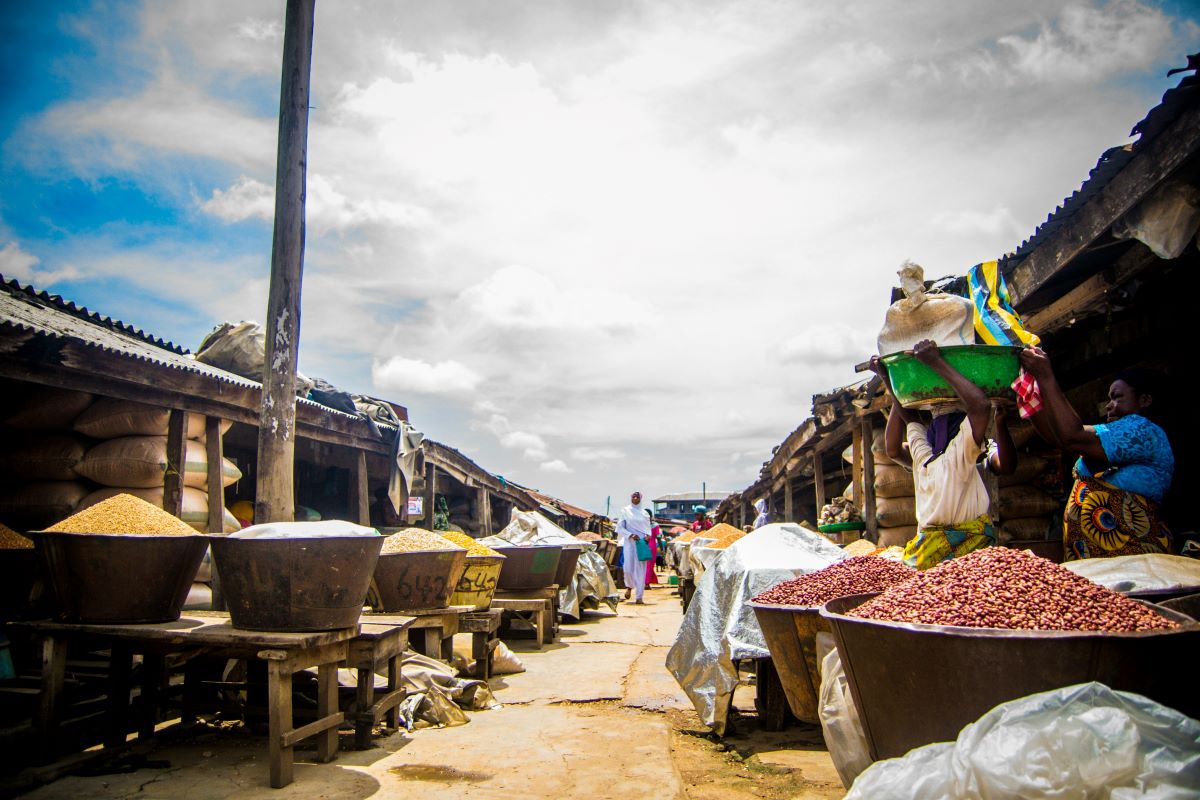
Take a simple morning market. To many residents, it is a place to buy vegetables and spices. To a visitor, it is an unforgettable cultural encounter. The colorful displays, local languages, traditional measurements, food aromas, and lively bargaining reveal more about a community than any brochure.
The same applies to neighborhood food vendors. How many tourists have discovered a city through the smoky aroma of roasted corn after rainfall, the comforting warmth of pepper soup on a cool evening, or the cheerful conversations surrounding a roadside suya stand? These moments are authentic because they were never created for tourists. They simply exist. And authenticity has become one of the most valuable currencies in modern tourism.
From Accommodation to Interpretation
Today’s travelers seek genuine experiences rather than choreographed performances. They want to cook with local families, learn indigenous recipes, watch artists create, and hear stories from elders. Ironically, these are experiences Nigerians encounter daily without recognizing their tourism value.
Hospitality businesses have a crucial role to play. Hotels can move beyond providing keys to becoming gateways to local experiences. Instead of just recommending nearby restaurants, they could facilitate walking tours to craft villages, storytelling evenings, or community-led culinary workshops.
Restaurants can do the same. Imagine menus that tell the history behind traditional dishes instead of merely listing ingredients. Imagine chefs introducing diners to forgotten recipes, transforming meals into conversations about identity and heritage. Suddenly, hospitality becomes interpretation.
The Challenge of Ownership
Not every tourism product requires expensive infrastructure. Sometimes, it requires curiosity. Of course, everyday culture must never become exploitation. Communities must remain the custodians of their traditions, deciding how their heritage is shared and ensuring that tourism benefits local people rather than turning them into subjects of observation. Respect must come before commercialization.
When communities feel ownership, visitors experience authenticity. When authenticity exists, tourism flourishes naturally.
A Call to Reimagining
Perhaps this is where Nigeria’s greatest opportunity lies. Rather than asking, “Which festival comes next?” we must also ask, “What stories are our communities already living today?”
Because every woven basket, every traditional greeting, every family recipe, every local proverb, and every village square represents a cultural experience waiting to be appreciated. Tourism does not always begin with monuments. Sometimes, it begins with paying attention.
As travelers, we often spend thousands of kilometers searching for extraordinary destinations while overlooking the extraordinary ordinary unfolding quietly around us. Nigeria’s culture has never been seasonal. It has always been alive in our homes, our markets, our kitchens, our conversations, and our communities.
Perhaps the future of our cultural tourism does not depend solely on creating bigger festivals. Perhaps it begins the day we finally recognize that our greatest attraction has been happening every single day.