
When the Rains Return: How Nigeria’s Wet Season is Quietly Reshaping Domestic Tourism
There is something about traveling through southeastern Nigeria in June or July that reminds you the country is most beautiful when it is unhurried.
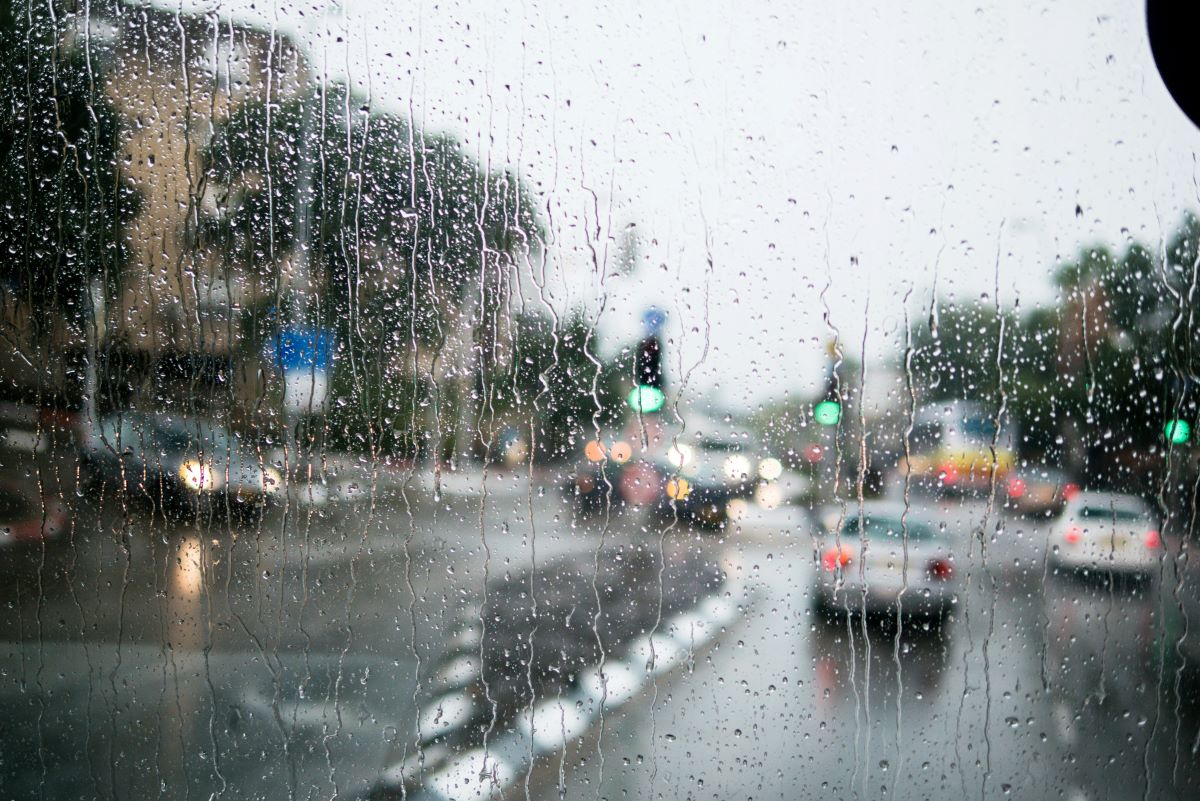
Last weekend, as I journeyed through Anambra State towards Delta for a family wedding, the rain seemed determined to travel with us. It arrived without warning, drumming steadily against the windshield before giving way to stretches of sunshine that lit up the emerald landscape. The highways glistened, roadside traders hurried to shelter their goods beneath colorful umbrellas, and women selling roasted corn smiled knowingly at travelers resigned to another weather-induced delay. Nobody complained.
Instead, conversations shifted effortlessly from the weather to family, from weddings to food, from the best route to the memories waiting at the destination. Somewhere along that journey, it occurred to me that Nigeria’s rainy season tells a story the tourism industry has not fully learned to tell.
For many, rain represents inconvenience. Flights are delayed, roads slow, and leisure trips are postponed until December when the skies are clear. Yet, beneath these frustrations lies an overlooked opportunity. The wet season does not suspend tourism; it simply changes its rhythm. And perhaps that rhythm deserves more attention.
The Organic Engine of Domestic Travel
Every weekend across Nigeria, thousands of people pack bags for weddings, funerals, naming ceremonies, and family reunions. They reserve hotel rooms, stop at local restaurants, buy fuel, hire taxis, and often spend an extra day exploring the communities they have traveled to visit. While these journeys are rarely described as “tourism,” they generate the same economic ripple effects as conventional travel.
A wedding in Delta is not just a wedding. It is fully booked hotels welcoming guests from Lagos, Abuja, and Port Harcourt. It is local caterers preparing meals that introduce visitors to authentic flavors. It is photographers documenting landscapes alongside celebrations, and artisans showcasing crafts to visitors who leave with more than memories.
This is domestic tourism in its most organic form. Unlike planned holiday destinations that rely on marketing campaigns, event-driven travel grows naturally from relationships. It thrives because Nigerians remain deeply connected to their roots. We travel home for celebrations, and in doing so, we unintentionally become tourists in familiar places.
Rain simply adds another layer to the experience.
The Power of the Pause
Traveling during the wet season forces visitors to slow down. Rather than rushing through destinations, they linger in cafés while waiting for showers to pass. Families spend longer in conversation indoors. Hotel lobbies become spaces where strangers exchange travel stories, and local eateries become unexpected cultural classrooms where recipes are shared alongside laughter.
Some of the most memorable travel experiences happen precisely because our itineraries are interrupted. Hospitality businesses are beginning to recognize this pattern. Hotels that once relied heavily on peak festive seasons are increasingly attracting guests attending social events year-round. Boutique accommodations near event centers report steady weekend occupancy, while restaurants benefit from visitors seeking authentic local cuisine.
The opportunity extends beyond accommodation. Imagine a visitor arriving in Delta for a Saturday wedding. Instead of leaving immediately, local tour operators could encourage short cultural experiences: a visit to craft markets, historical landmarks, or guided culinary tours featuring indigenous delicacies. What begins as a family obligation could become a complete destination experience.
Countries with mature domestic tourism industries have mastered this concept. They understand that people often travel for one reason but stay for several others. Nigeria possesses that same potential; we simply have not packaged it intentionally.
The Aesthetic of the Wet Season
The rainy season itself offers experiences that cannot be replicated during the dry months. Across the countryside, forests regain their lush vibrancy, rivers swell with renewed life, waterfalls reclaim their strength, and hillsides wear deeper shades of green. Landscape photographers often describe July and August as some of the country’s most visually rewarding months.
Ecotourism destinations particularly benefit. Protected forests become richer in biodiversity, birdlife becomes more active, and agricultural communities showcase farming activities that reveal another dimension of rural life.
Weather, in this sense, becomes part of the attraction rather than an obstacle.
Challenges and the Power of Storytelling
Of course, genuine challenges remain. Poor road infrastructure, flooding in vulnerable communities, and inconsistent drainage systems continue to discourage travelers. These realities require sustained investment if Nigeria hopes to strengthen year-round tourism. Yet infrastructure alone does not build destinations. Storytelling does.
Perhaps we underestimate rainy-season travel because we rarely celebrate it. Tourism campaigns overwhelmingly feature bright sunshine and clear skies, unintentionally suggesting that travel is only worthwhile under perfect conditions. But travelers know better. Some journeys remain unforgettable because of unexpected rain, delayed departures, shared umbrellas with strangers, steaming bowls of pepper soup after hours on the road, and the unmistakable scent of wet earth.
As I eventually arrived in Delta, the rain had eased into a gentle drizzle. Wedding guests laughed beneath decorated canopies while children ignored puddles that adults carefully stepped around. Life carried on, just as it always has.
It reminded me that tourism is not always found in luxury resorts or famous attractions. Sometimes, it lives quietly along rain-soaked highways, inside roadside restaurants, within conversations shared over hot meals, and in the simple decision to travel despite uncertain skies.
Perhaps that is the story Nigeria’s rainy season has been trying to tell us all along.
This article was first published in Travels & Thrills magazine Vol. 2: Iss. 3 (Aug-Oct 2026).




This was a really beautiful read. Nothing is wrong with my attention span (I just realized 😂)
And yeah, we could really make a thing from intentionally selling what the rainy season is bringing us😌