
Rooted in the Soil: Africa’s Answer to Overtourism
As global travel rebounds to historic highs, iconic destinations worldwide are facing a quiet crisis: overtourism. From the crowded beaches of Mediterranean coasts to congested safari corridors, the pressure of mass tourism threatens the very landscapes and cultures travelers come to see.
However, Africa holds a unique, home-grown solution. It lies not in building bigger hotels, but in looking toward our most foundational industry: agriculture. Agrotourism—the intersection of working agriculture and tourism—is emerging as a powerful antidote to the strains of mass travel. It offers a decentralized, sustainable way forward that honors both the land and its people.
Cultivating the Unique: The Power of Place
Mass tourism tends to homogenize, turning distinct towns into lookalike resort hubs across the continent. Agrotourism does the exact opposite. Because successful agriculture is deeply place-specific, it naturally creates destination-specific travel experiences that cannot be replicated elsewhere.
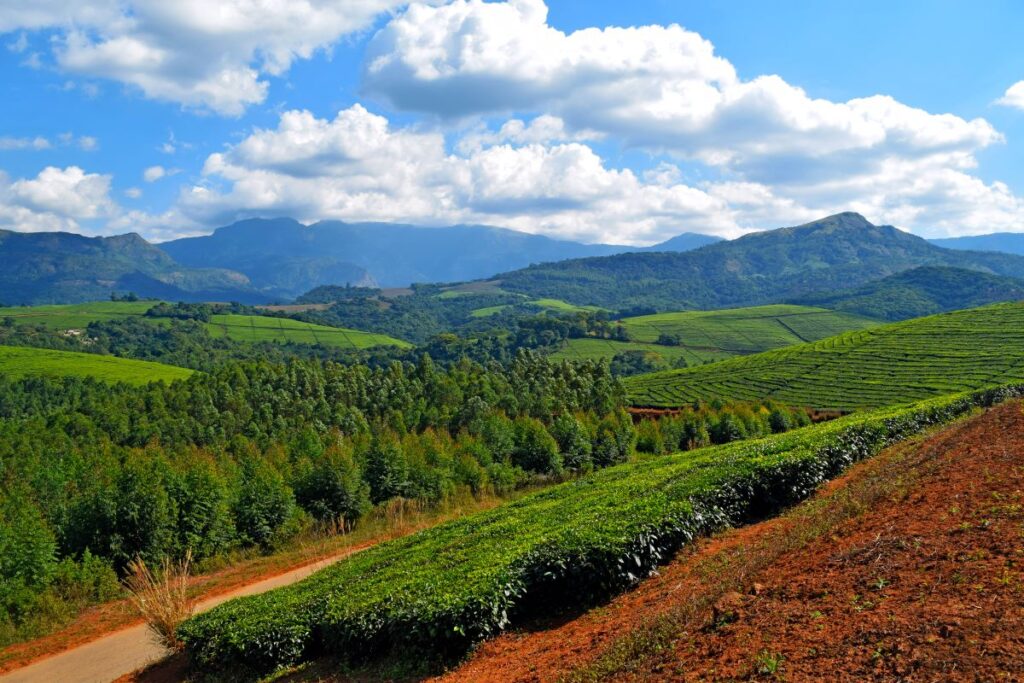
Consider our morning beverages. While tea and coffee are global staples, their agricultural roots are strictly bound to specific terroirs:
- From Kenya’s Volcanic Highlands: Travelers can walk through the mist-shrouded slopes of Nyeri or Kiambu, learning the precise art of picking the perfect “two leaves and a bud” coffee cherry. They taste the bright, fruity acidity born strictly from Kenyan soil.
- To Zimbabwe’s Eastern Highlands: Hundreds of miles away, rolling hills host unique tea estates like Tanganda. Here, the unique microclimate creates an entirely different sensory experience, drawing travelers to historic tea lounges and verdant fields.
By anchoring travel to the unique demands of the soil, agrotourism distributes visitors naturally across diverse geographies based on what the land produces, rather than funneling everyone into a single over-visited landmark.
Lowering the Barriers to Direct Investment
Traditional luxury tourism is notoriously capital-intensive. Building a five-star safari lodge or a beach resort requires massive foreign investment, which frequently leads to “tourism leakage,” where the economic benefits flow right back out of the host country.
Agrotourism flips this dynamic entirely. Because farming infrastructure already exists, the barrier to entry for local communities is significantly lower. It allows the host community to actively contribute to and own direct tourism investments.
This democratization of ownership spans the entire economic spectrum:
- The Premium Estate: From the commercial, luxurious viticulture of Cape Town, offering breathtaking views and glamorous rustic wedding scenes. Here, travelers enjoy luxury cellar tours, estate dining, and wine tasting.
- The Community Cooperative: To the smallholder cooperatives in central Malawi. Here, travelers experience the simple rural rondeval, awakened by a rooster’s morning call. They engage in hands-on harvesting and enjoy organic, fire-cooked village lunches while processing gluten-free flour made from groundnuts.
Whether it is a world-class estate in the Western Cape or a smallholder cooperative in Malawi empowering women through groundnut flour production, the capital stays in the hands of the people who tend the land.
Preserving Culture Through Gastronomy
Where overtourism often dilutes or commodifies local heritage to suit mass tastes, agrotourism acts as a vault for cultural preservation. It invites the traveler to slow down, pull up a stool, and participate in living traditions.
A beautiful example of this is found nestled within the granite topography of Zimbabwe’s Matobo Hills. Here, community homestays are introducing travelers to the ancient, organic rhythm of groundnut farming. Visitors don’t just watch; they participate in the harvest, sit with hosts to roast the nuts over open fires, and help grind them down into rich, smoky peanut butter using traditional stones.
This isn’t just a culinary demonstration; it is the bedrock of local gastronomy tourism. When a traveler enjoys a bowl of comforting “dovi” (traditional peanut butter stew) alongside the family that grew the ingredients, culture isn’t being performatively staged. It is being actively preserved, celebrated, and funded.
The Path Forward
Agrotourism offers a compelling vision for the future of Pan-African travel. It heals the fractures caused by overtourism by spreading wealth to rural communities, lowering the cost of entry for local entrepreneurs, and protecting the fragile tapestry of African heritage.
By inviting the world to experience the richness of our farms, we aren’t just selling a view—we are sharing our way of life, one harvest at a time.
This article was first published in Travels & Thrills magazine Vol. 2: Iss. 3 (Aug-Oct 2026).