Cathryn Karanja: the Woman Behind Gatura Greens & World’s First Purple Tea Farm
Who is Cathryn? Tell us a bit about yourself.
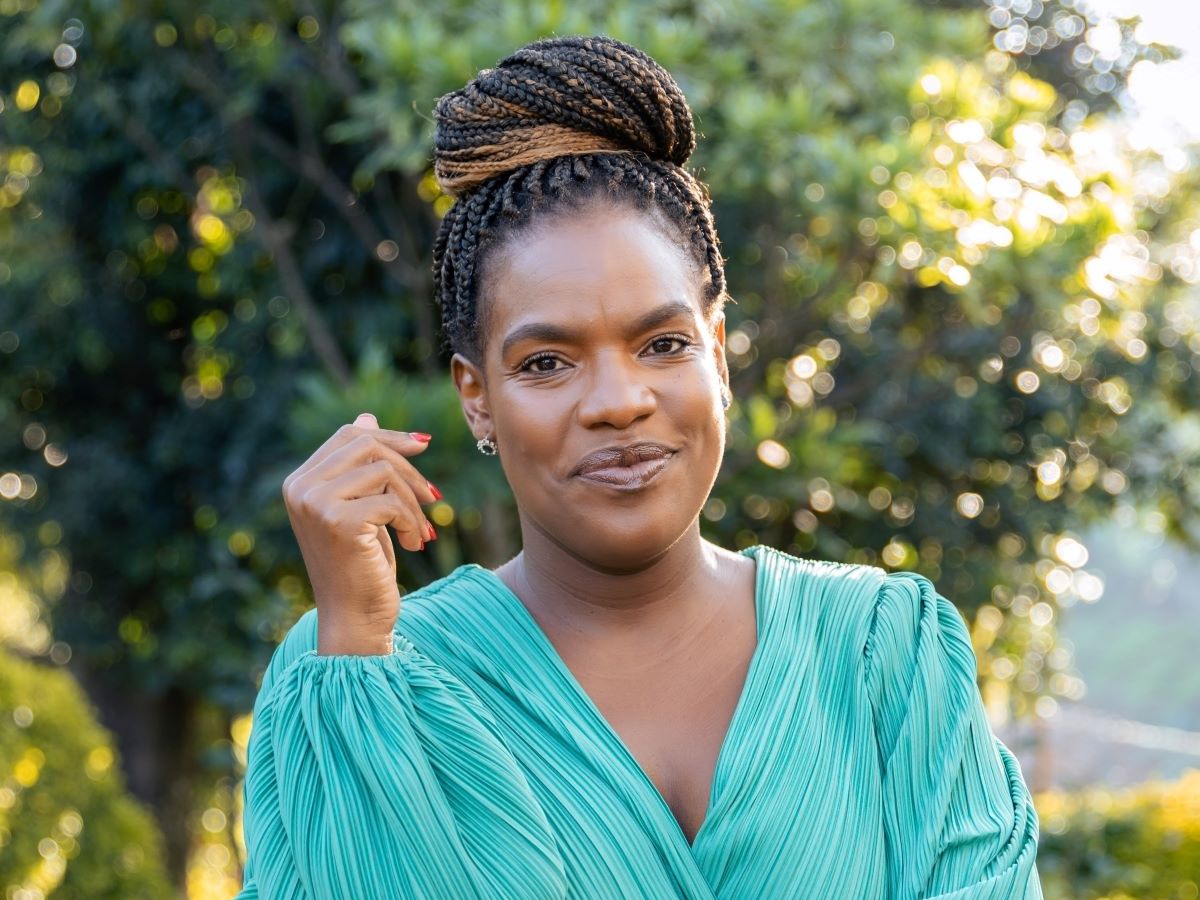
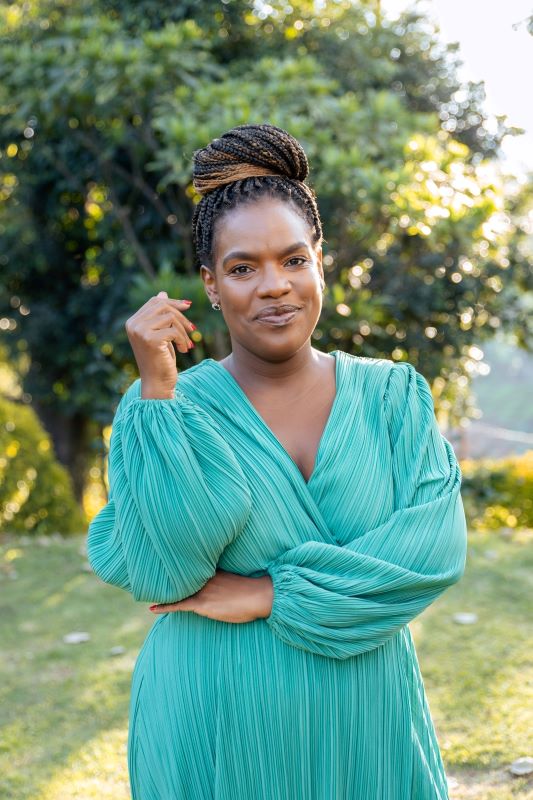
I’m Cathryn Karanja, founder of Gatura Greens. I grew up between Nairobi and Kisumu, and I think that has shaped a lot of who I am. I’ve always loved nature, hosting people, and creating experiences.
I studied Economics and Gender Studies, then worked in Fast Moving Consumer Goods (FMCG) before deciding to build something of my own. Along the way, I travelled through work and internships in India, Malaysia and Mauritius. I found myself gravitating towards authentic, local experiences that were a little off the beaten path. When I came back home, I wanted to create something that felt like that. Somewhere that celebrated Kenya in a more personal way.
Gatura Greens. How did it all begin?
Gatura Greens is built on our third-generation family tea farm in Gatanga, Murang’a County. Like many tea farmers, we simply grew tea and sold it.
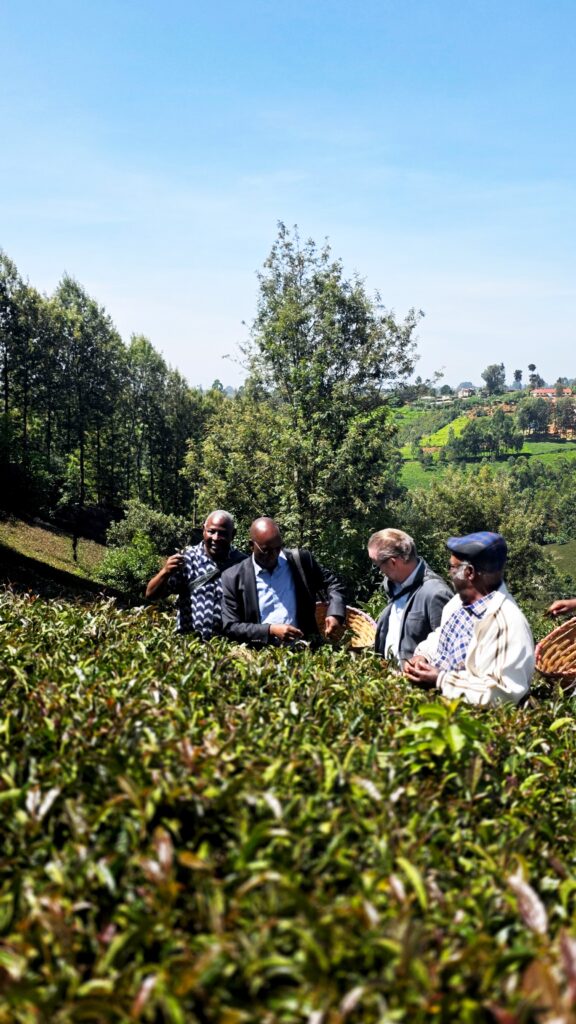
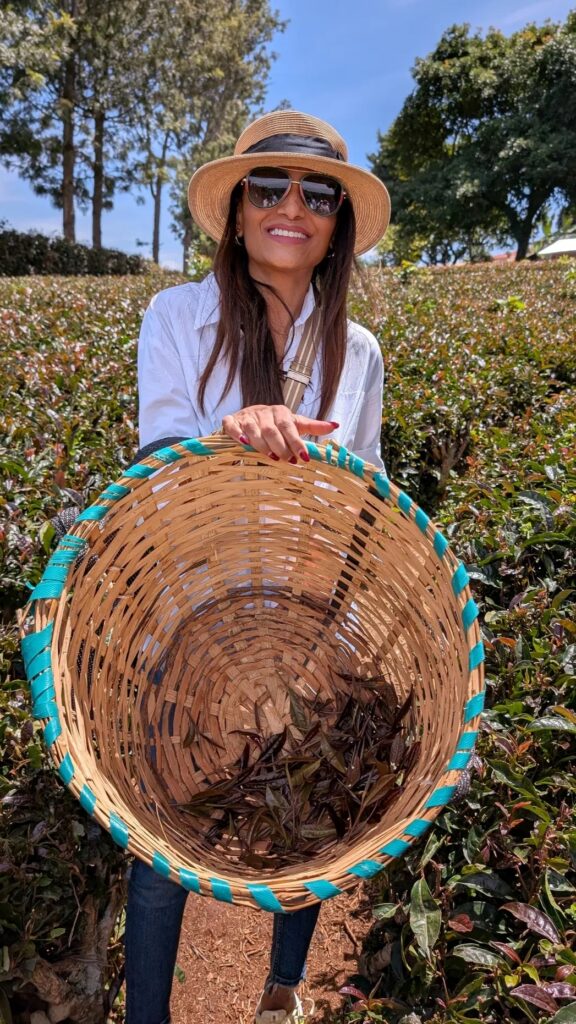
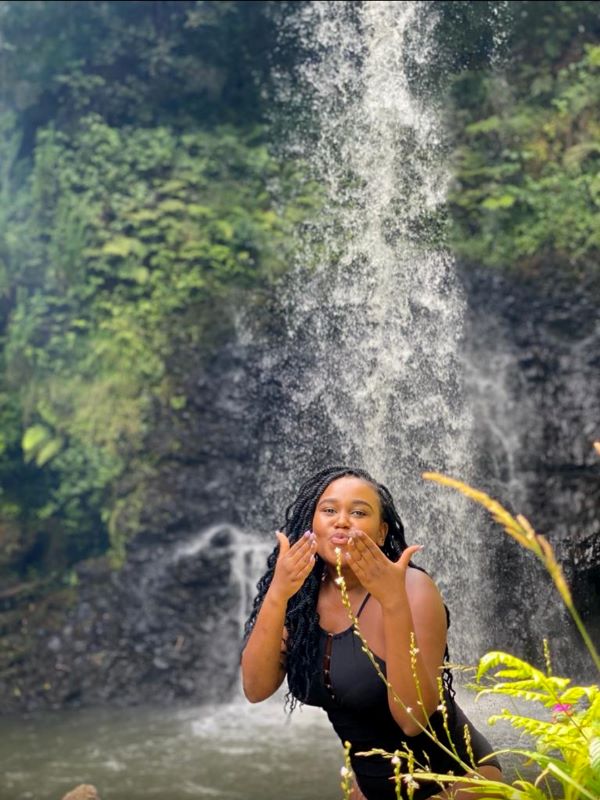

Over time I realised there was so much more we could do with the farm. We transformed it into an agritourism destination where people can pick tea, enjoy farm-to-table food, explore the waterfalls and forest, and slow down for a few hours. The idea was to create the kind of experience I personally enjoy when I travel: authentic, immersive and rooted in the local community.
The journey so far?
It’s been incredibly rewarding, but it’s definitely not an easy business. Agriculture and tourism both require patience and investment. You’re constantly balancing infrastructure, staffing, maintenance, marketing, weather, and making sure every guest has a great experience.
Our vision is simple. We want Gatura Greens to become the world’s leading agritourism destination. One of the things I’m most proud of is building this on a third-generation family farm while working alongside my family. Seeing guests leave saying, ‘I had no idea Kenya had experiences like this,’ is probably the biggest compliment we can receive.
Tell us about your products.
We have two sides to the business. The first is our specialty teas, including orthodox black, green, white, oolong and purple tea, which is unique to Kenya. Tea is naturally rich in antioxidants and may support heart health, improve focus and contribute to overall wellbeing.
The second is our farm experience, where guests see the journey from leaf to cup while learning about tea growing, processing and tasting.
The tea industry in Kenya?
Kenya is one of the world’s largest tea producers, but many people still don’t realise just how exceptional Kenyan tea is.
One of the biggest opportunities for the industry is moving further up the value chain through branding, specialty teas, packaged products and agritourism. Like every industry, we’ve also felt rising production costs and broader economic pressures, which makes diversification increasingly important.
Farm to Cup: Building Value at the Source
The ‘farm to cup’ concept is exactly what we do at Gatura Greens and Brew IT Tea. We don’t just grow tea. We invite people to experience the entire journey, from walking through the tea fields and picking the leaves, to learning how they’re processed, before finally enjoying a cup of tea grown just metres away.
For me, farm to cup is much bigger than tea. It’s about value addition. For too long, Kenya has exported raw commodities while the highest value has been created elsewhere through branding, packaging and experiences. If we can process, brand and tell our own stories, we create more jobs, increase farmer incomes and build globally recognised Kenyan brands. We stop exporting products and start exporting experiences.
Agri-tourism is one of the most exciting opportunities Kenya has today because it brings agriculture, manufacturing, hospitality and tourism together in a way that benefits local communities while giving visitors something authentic and memorable.
Tourism in Kenya
I believe Kenya is entering an exciting era for tourism. We’ve always been known for wildlife and our coastline, but today’s traveller is looking for immersive, authentic experiences. They want to meet local people, understand how things are made, taste local food and leave with stories rather than just photographs.
That shift creates enormous opportunities for agri-tourism, culinary tourism, wellness retreats, coffee and tea tourism, cultural experiences and adventure tourism.
There are, of course, challenges. We need stronger infrastructure, better connectivity, continued destination marketing, and greater investment in tourism products. We also need to encourage visitors to stay longer and spend more by offering a wider variety of experiences across the country.
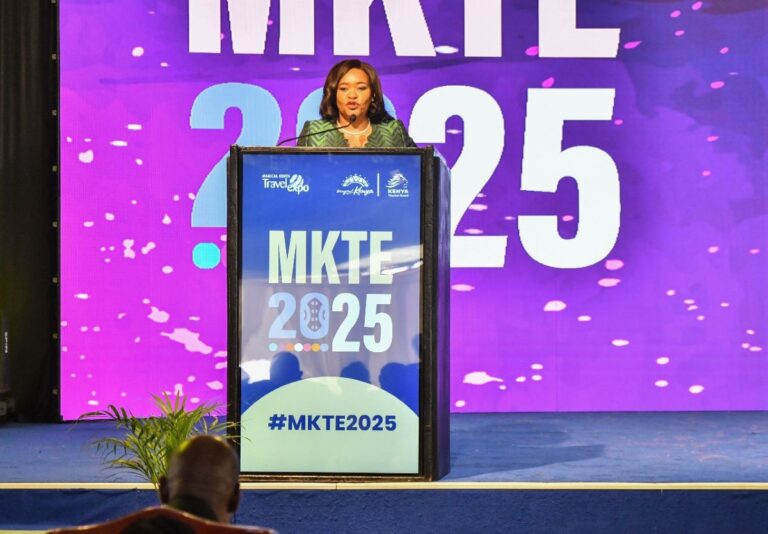
Initiatives such as MKTE are incredibly important because they connect Kenyan tourism businesses with international buyers and showcase the diversity of experiences our country has to offer. Equally, the Kenya Tourism Board continues to play a critical role in positioning Kenya as a world-class destination.
I’m optimistic about where we’re headed. Kenya has all the ingredients to become Africa’s leading experiential tourism destination. The opportunity now is to move beyond simply attracting visitors and instead build businesses, brands and experiences that create lasting economic value for communities across the country.
How do you unwind?
I love running. That’s probably my favourite way to switch off. I also love spending time in nature, hosting friends and having long conversations around a dinner table. Whenever I can, I take little trips around Kenya. I love the Central Highlands, Lamu, and spending time in Kisumu, where I grew up.
Final thoughts.
I think we’re seeing people become much more interested in experiences that feel real. Whether it’s visiting a family-owned farm, discovering a small bakery or meeting the people behind a product, those are often the experiences that stay with you long after you’ve travelled.
I’d love to see more people seek out those kinds of places because they’re memorable and a great way to support local families and small businesses.