Farm to Factory: Day 4 of the German Delegation Uganda Coffee Tour
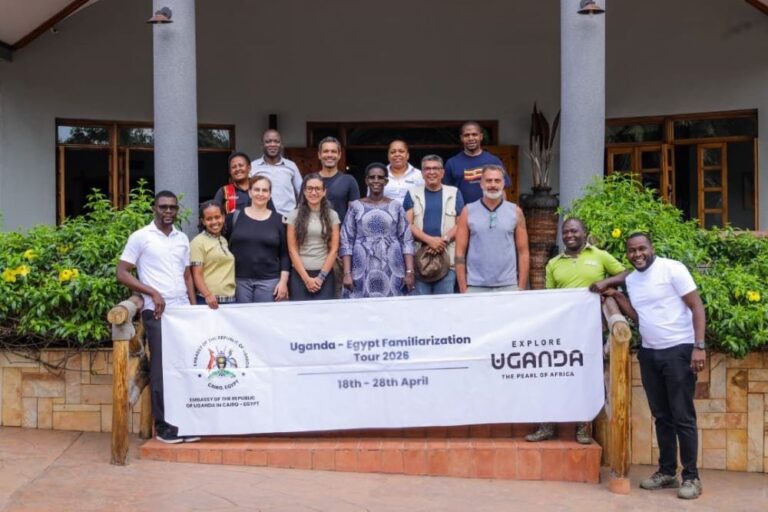
Kampala, Uganda – The German delegation’s nine-day Coffee Familiarisation Trip reached a transformative milestone on Day 4, seamlessly weaving together the raw thrill of Uganda’s wildlife and the precision of its modern coffee industry. What began with a dawn safari in Queen Elizabeth National Park concluded with a deep dive into the future of value addition, painting a vivid picture of an economy where nature, agriculture, and industry converge.
The Dawn of Discovery: Lions in the Park
The day broke early in Queen Elizabeth National Park, where the delegation joined a guided game drive under the golden Ugandan sun. The highlight was a rare sighting of lions, a moment that underscored Uganda’s status as a premier African wildlife destination. For the German visitors, the encounter was more than just a tourist attraction; it was a visceral reminder of the pristine environment that nurtures the very beans they are here to source.
“To see lions in the morning and then walk through coffee fields by midday is a unique rhythm,” one delegate noted. “It shows the harmony between conservation and production.”
Integrated Farming at Nyabihoko
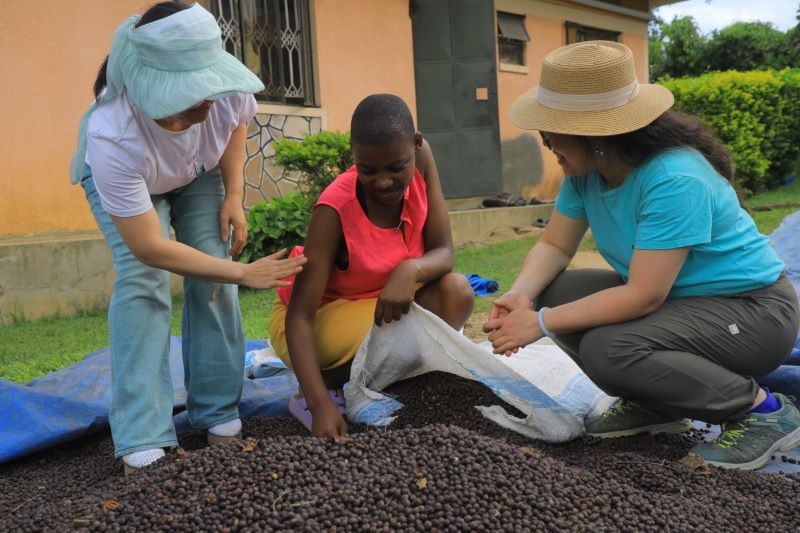
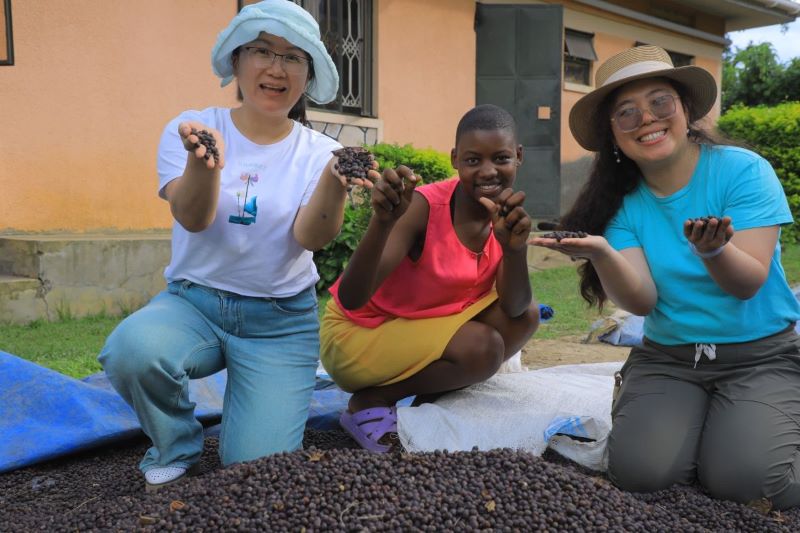
Leaving the savannah behind, the convoy traveled to Ntungamo District to visit Nyabihoko Coffee Farm. Here, the delegation witnessed a next-generation integrated farming model that goes beyond traditional monoculture.
Spanning a vast expanse, the farm combines:
- Coffee cultivation with large-scale poultry and cattle rearing (hosting over 20,000 birds).
- Export-oriented agribusiness geared toward international markets.
- Intercropping practices, specifically the symbiotic relationship between coffee and banana plants.
Farmers demonstrated how this biodiversity improves soil health, enhances yields, and provides a safety net for rural communities, offering a blueprint for sustainable rural economic transformation.
The Factory of the Future: Africa Coffee Park
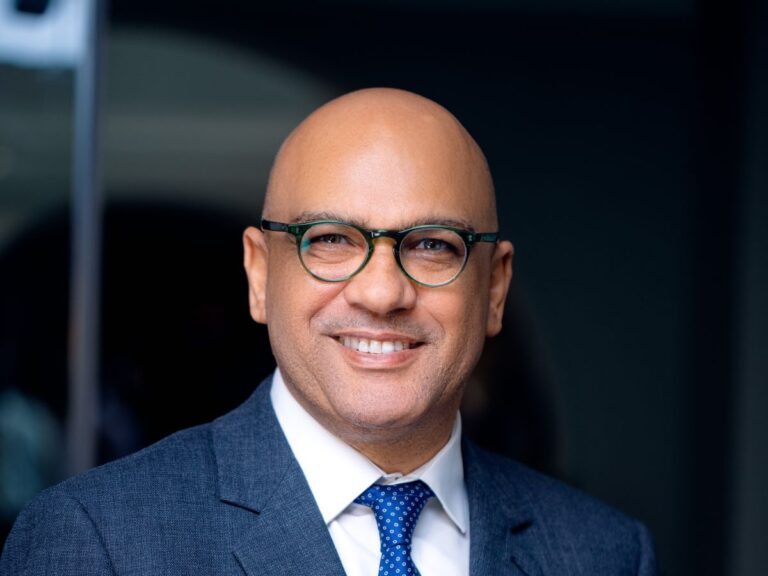
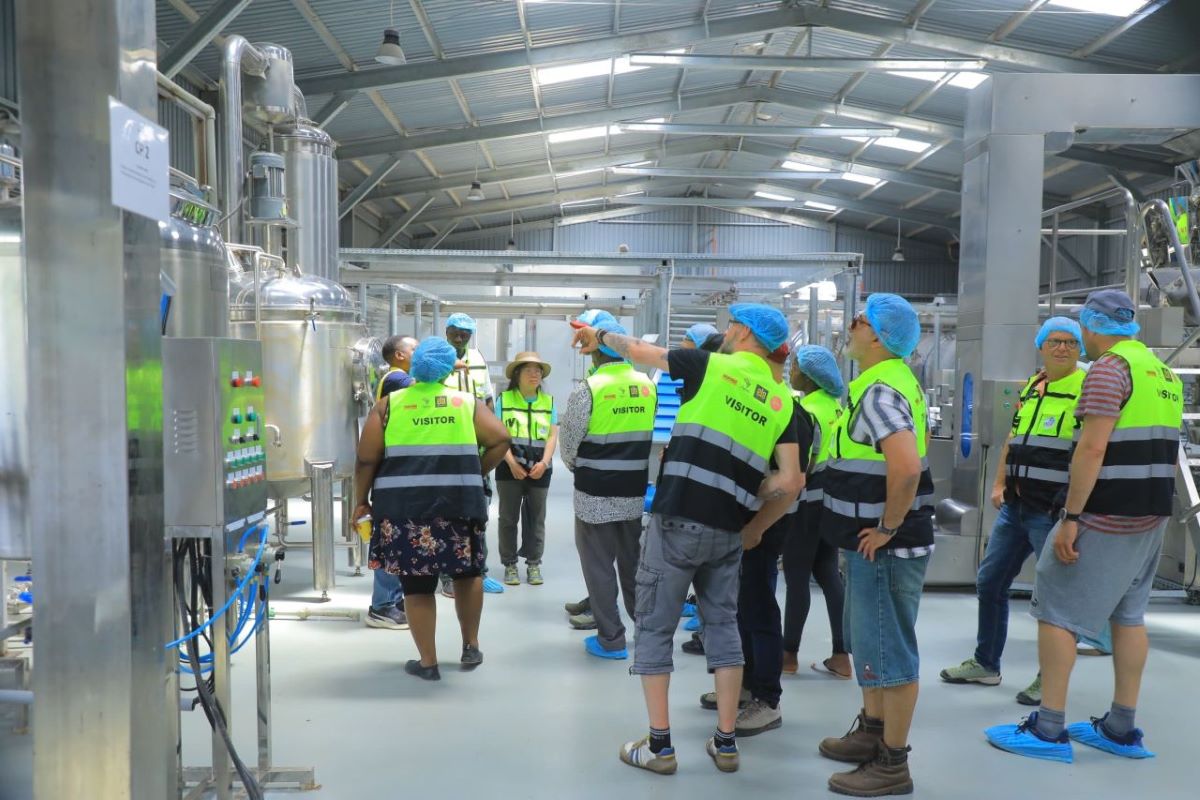
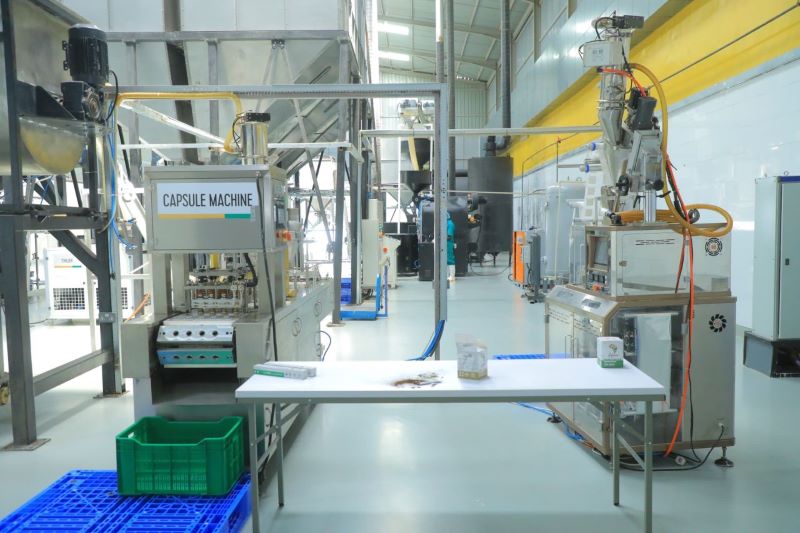
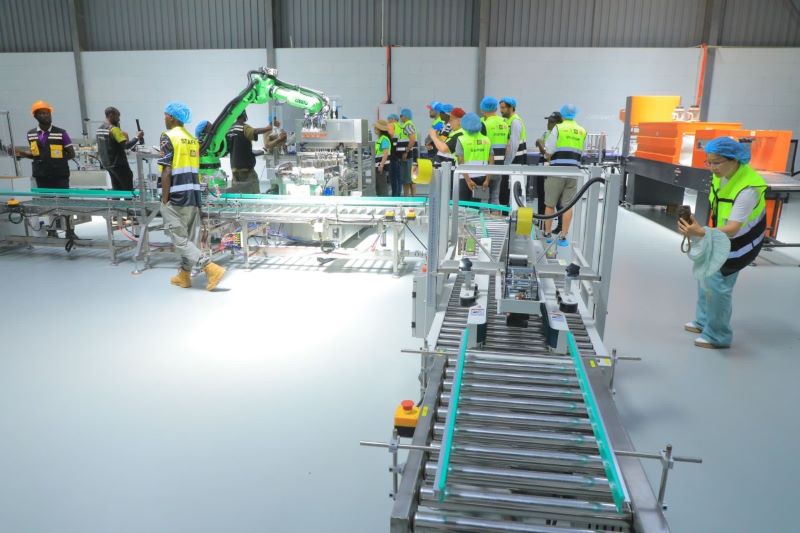
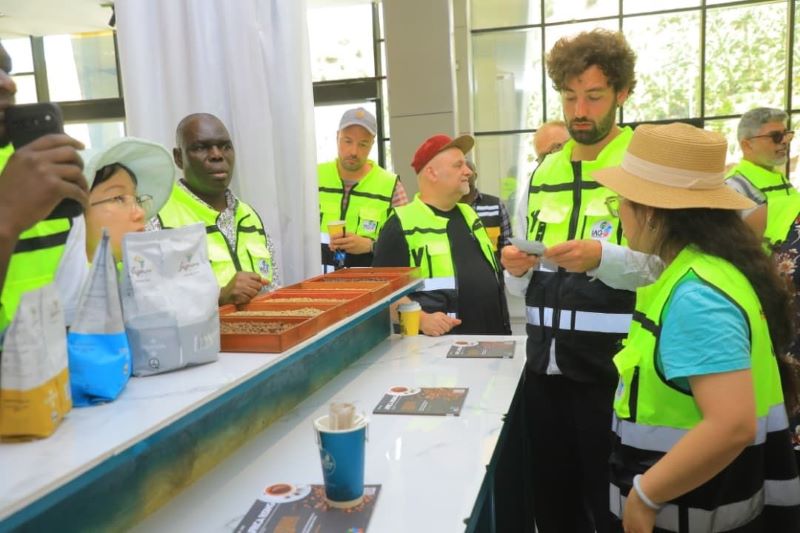
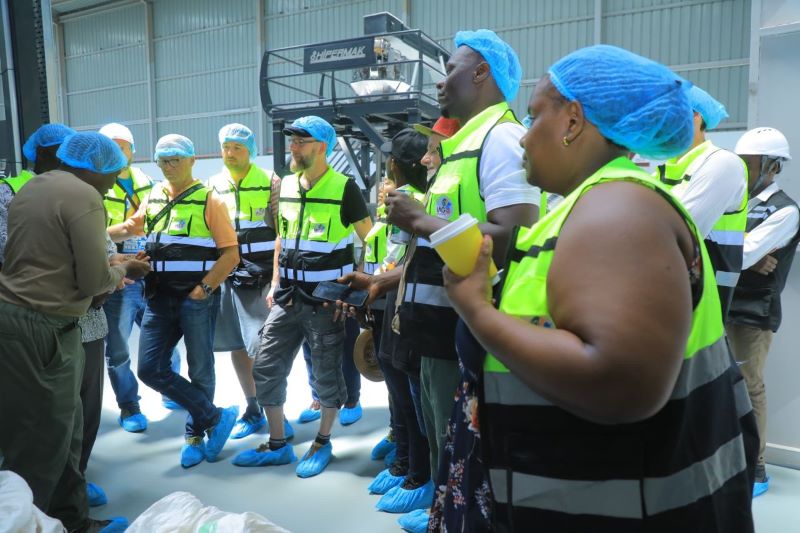
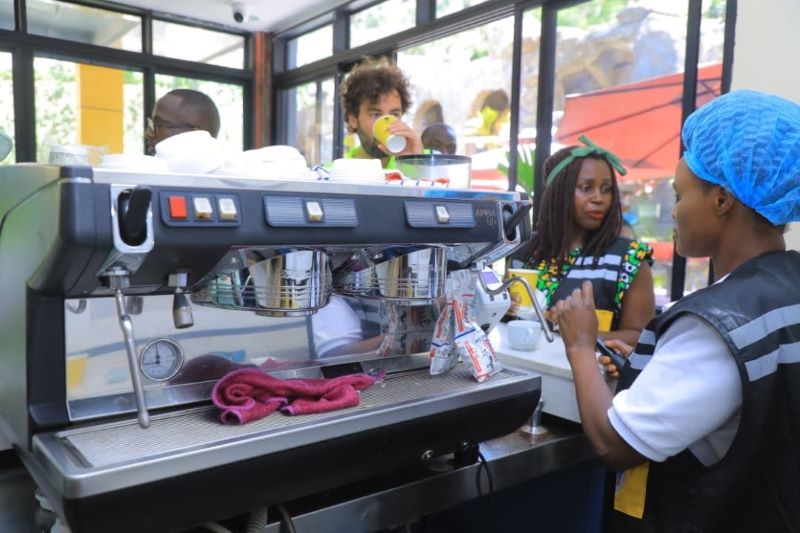
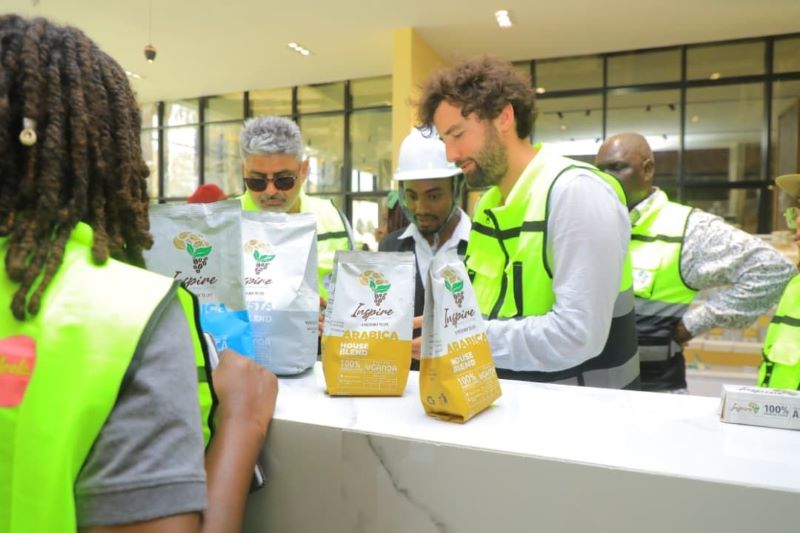
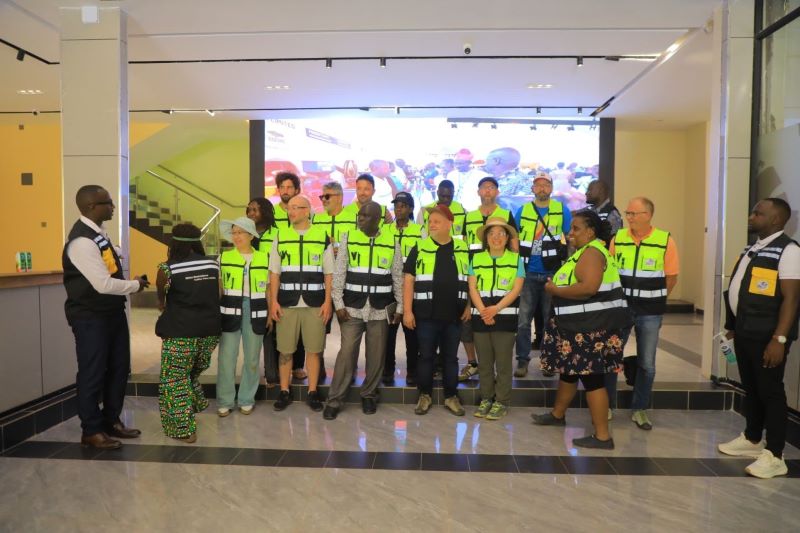
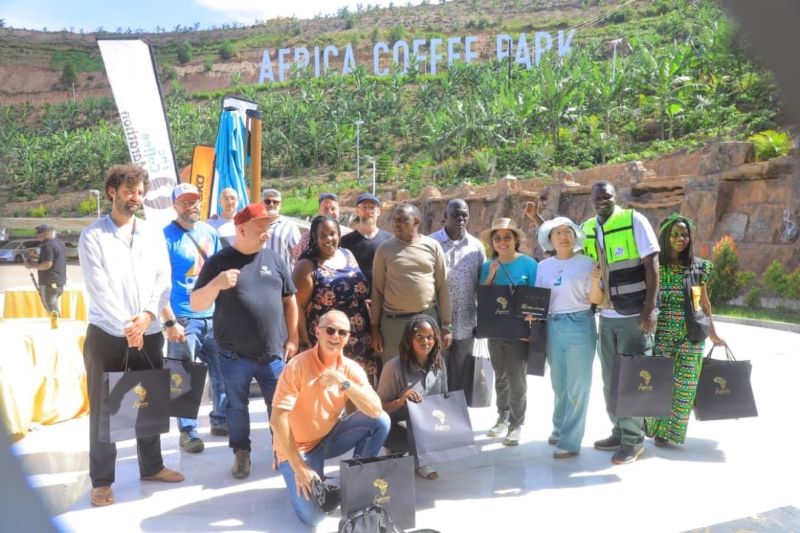
The journey culminated at the Africa Coffee Park in Rwashamaire, an industrial powerhouse that represents the bridge between raw bean and global brand. Led by Dr. Nelson Tugume, CEO of the Inspire Africa Group, the delegation toured a facility equipped with state-of-the-art technology, including:
- Wet and dry milling units.
- Roasting and freeze-drying plants.
- Modern packaging lines.
The park has already created over 600 direct jobs and produces a diverse range of value-added goods, from roasted and instant coffee to energy drinks and coffee-based cosmetics. This facility is a cornerstone of Uganda’s ambitious strategy to boost coffee export earnings from approximately $1 billion to $5 billion.
A Strategic Shift: From Commodity to Brand
Throughout the day, the German representatives engaged in dynamic discussions on technology transfer, skills development, and market expansion. The narrative has clearly shifted: Uganda is no longer just pitching itself as a source of raw beans, but as a competitive hub for premium, value-added agricultural exports.
“We are seeing a complete value chain,” said a senior German trade official. “From the lions in the park to the robots in the factory, the story of Ugandan coffee is one of depth and quality.”
As the delegation prepares for the final days of their tour, the message is clear: Uganda’s future lies in blending tourism with trade, offering partners not just a product, but a comprehensive ecosystem of sustainability, innovation, and natural beauty.