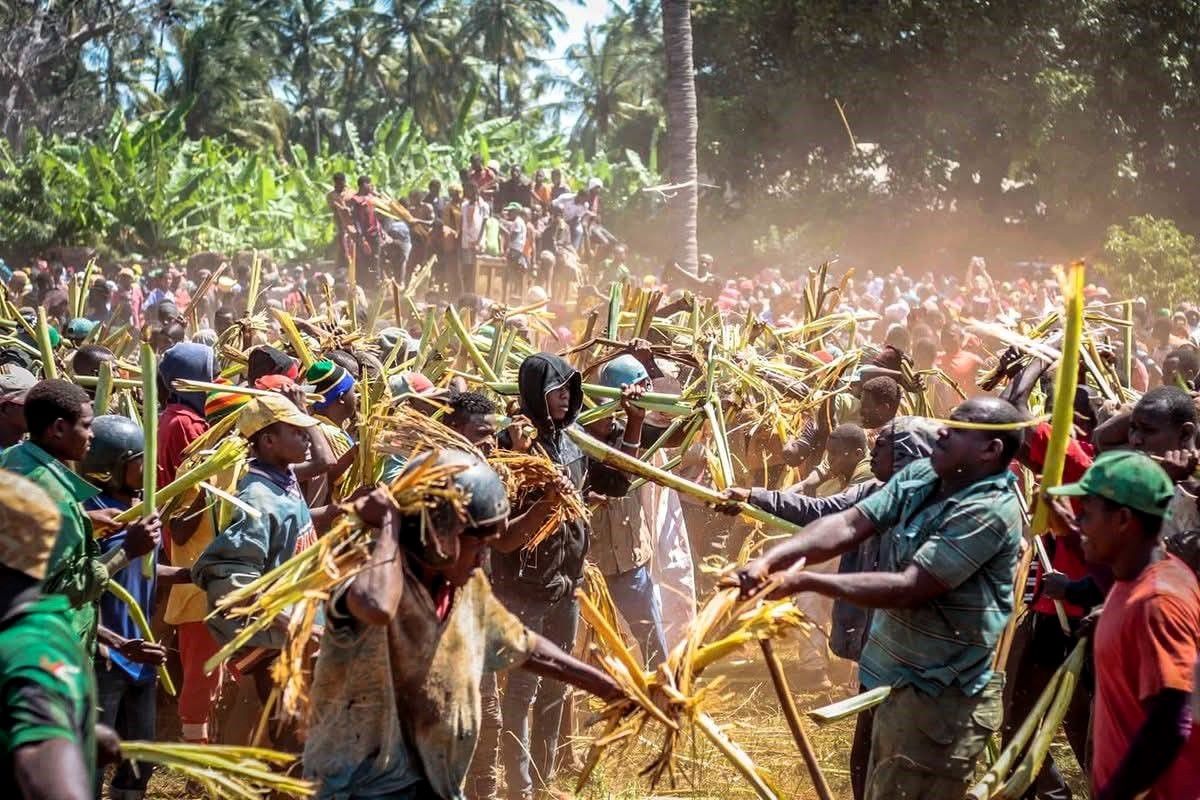
Mwaka Kogwa: Zanzibar’s Fiery New Year Festival Where Banana Stems Settle Scores
While much of the world pops champagne on January 1st, the island of Zanzibar hosts one of Africa’s most unique New Year celebrations in late July. Welcome to Mwaka Kogwa—a four-day festival where ancient grudges are literally beaten out with banana stems, huts are set ablaze, and an entire community comes together to start fresh.
A Persian Tradition Takes Root in Zanzibar
Mwaka Kogwa commemorates Nayrouz, the Persian New Year, with roots stretching back to the ancient Zoroastrian religion. Brought to Zanzibar centuries ago by Shirazi settlers from Persia, this vibrant festival has been embraced and transformed by the local Swahili community into something uniquely Zanzibari.
Celebrated throughout the archipelago around July 23rd-24th, the most spectacular displays unfold in Makunduchi, a peaceful village perched on the southeastern tip of Unguja Island. Here, tradition runs deep, and the festival’s ancient rituals are performed with unmatched enthusiasm.
The Battle Begins: Banana Stems at Dawn
The festival’s main event is unlike anything you’ll witness elsewhere. As the sun climbs higher on the first day, men gather in the village center, armed not with weapons but with banana stems—nature’s perfect mock combat tool. These have replaced the wooden cudgels of ancient times, making the battles safer but no less intense.
What follows is organized chaos. Men from different sides of the village face off in physical combat, thrashing each other with their green banana stems. There are no referees, no strict rules—only the understanding that raising both hands signals surrender. But this isn’t about violence; it’s about catharsis.
The mock battles serve a profound purpose: purging the community of accumulated grudges, misunderstandings, and tensions from the past year. Every blow struck is a grievance released, every bruise a step toward reconciliation. By the time the dust settles, the slate is wiped clean, and the new year can begin without the weight of old conflicts.
Women Take Center Stage
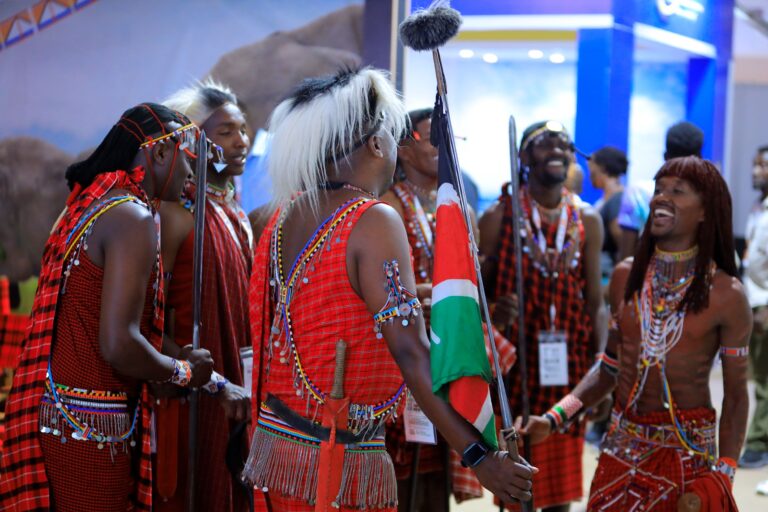
While the men battle it out, Zanzibar’s women steal the show in their own way. Dressed in vibrant traditional Swahili garments, they weave through the crowds, singing songs that speak of love, fertility, and peace. Their performances are both celebration and commentary, often including playful taunts directed at the fighting men.
This call-and-response between the sexes adds layers of meaning to the festival—it’s not just about releasing anger, but also about reinforcing community bonds, addressing gender dynamics, and celebrating life itself.
The Burning Hut: A Prophecy in Flames
As exhaustion claims the fighters and the battles wind down, the festival reaches its most dramatic moment. A temporary hut constructed from palm fronds and coconut leaves is erected in the village center. A village healer, known locally as a mganga, enters the structure and begins reciting spells—ancient invocations calling for happiness, prosperity, and protection in the year ahead.
Then, the hut is set ablaze.
Flames engulf the structure as the crowd watches in anticipation. Just before the fire consumes everything, the healer emerges unscathed and disappears into the nearby bush. The villagers rush to extinguish the flames, but not before observing the direction of the smoke—a crucial detail. According to local belief, the smoke’s path predicts the village’s fortune for the coming year.
This ritual serves as both spiritual cleansing and communal insurance: if fire should threaten any home in the new year, no lives will be lost.
Feast, Music, and Dancing Until Dawn
With the day’s intense rituals complete, Makunduchi transforms into a celebration of life and community. Families return home to prepare elaborate feasts featuring Zanzibari specialties—pilau rice, grilled seafood, coconut curries, and sweet mandazi pastries. Tables are set in the open air, and everyone is welcome, including curious travelers who’ve come to witness this extraordinary tradition.
As evening descends, the village gathering spot fills with beautifully dressed locals. The air thrums with the melodic strains of taarab music—Zanzibar’s signature sound blending Arabic, Indian, and African influences. Drums echo into the night as dancers move in traditional formations, their movements telling stories passed down through generations.
Some revelers eventually migrate to the nearby beach, where the celebration continues under the stars, waves lapping at the shore as the community dances its way into a new year filled with hope and renewed connections.
Planning Your Visit
Mwaka Kogwa typically takes place in late July, with the exact dates following the lunar calendar. Makunduchi is about 50 kilometers south of Stone Town and accessible by taxi or rental car. The village welcomes respectful visitors, though it’s advisable to go with a local guide who can provide cultural context and facilitate meaningful interactions.
Remember, you’re not just watching a performance—you’re witnessing a living tradition that has bound this community together for centuries. Come with an open mind, respect for local customs, and prepare to experience one of East Africa’s most authentic and unforgettable cultural celebrations.
When you touch down in Zanzibar, don’t just head for the beaches. Time your visit for Mwaka Kogwa, and discover a side of the Spice Island that few travelers ever see.