CCFU at 20 Years: A Celebration of Culture, Unity & Living Heritage in Uganda
Kampala, Uganda — The Cross-Cultural Foundation of Uganda (CCFU) yesterday 19 May 2026, reached a powerful milestone: two decades since its establishment in 2006. The anniversary was marked by the official launch of a two-day exhibition at Hotel Africana, a vibrant cultural space filled with memory and meaning. The event brought together voices, stories, and heritage from across the nation, celebrating a central idea that has guided the organization for twenty years: culture is not merely the past we look back on, but the present we live and the future we build together.
Presidential Adviser on Tourism, Lilly Ajarova, officiated the launch, setting the tone for a celebration rooted in identity, unity, and national pride. As she opened the exhibition doors, she emphasized that the gathering was more than a display; it was a convergence of Uganda’s cultural soul.
A Gathering of 40 Voices
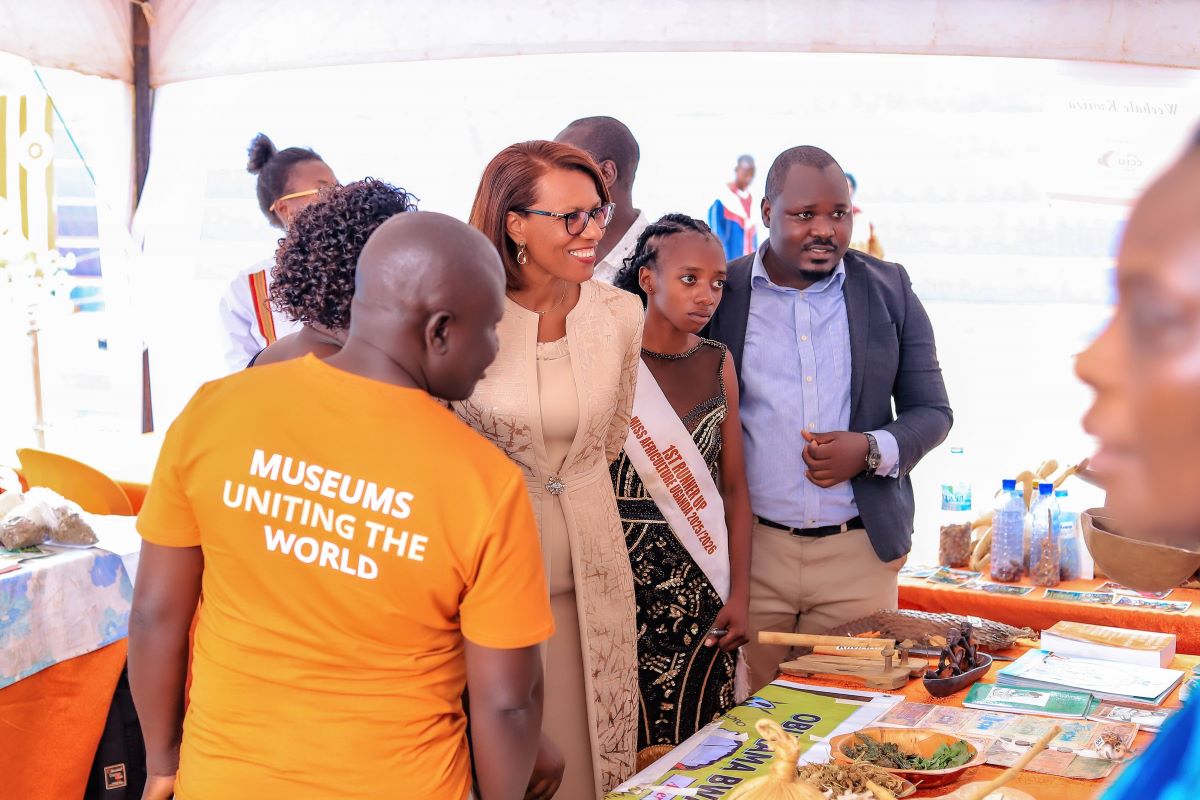
The venue transformed into a living museum of Uganda’s diversity. Over 40 exhibitors from different regions of the country converged in one hall, each bringing a unique contribution to the showcase. The stalls featured traditional knowledge systems, cultural artifacts, community stories, indigenous practices, crafts, publications, and living traditions passed down through generations.
Visitors moved slowly from one exhibit to another, engaging directly with cultural practitioners, museum representatives, artists, researchers, and community custodians. It was a rare moment where Uganda did not just speak about culture—it displayed it, lived it, and shared it.
What CCFU Is and Why It Matters
Founded in 2005 and formally established around 2006, the Cross-Cultural Foundation of Uganda (CCFU) is a national non-governmental organization based in Kampala. It emerged from a growing need to ensure that culture is treated not as an accessory to development, but as a central pillar of it.
At its core, CCFU holds a simple yet powerful belief: culture is a living force that shapes how communities think, live, and develop together. The organization works with communities, schools, museums, and development partners across five key areas:
- Heritage Preservation: Protecting both tangible and intangible heritage, including languages, traditions, historical sites, and indigenous knowledge systems.
- Community Empowerment: Supporting community museums and cultural enterprises to preserve and showcase local stories in ways that strengthen identity and livelihoods.
- Heritage Education: Engaging schools and young people to connect with their cultural roots through learning programs and heritage clubs.
- Cultural Rights: Ensuring communities can freely express, preserve, and practice their culture without fear of loss or erasure.
- Research and Documentation: Recording Uganda’s diverse cultural practices to inform education, policy, and development.
In short, CCFU exists to help Ugandans understand, protect, and use their culture as a resource for unity, learning, and economic growth.
A Call to Celebrate Identity
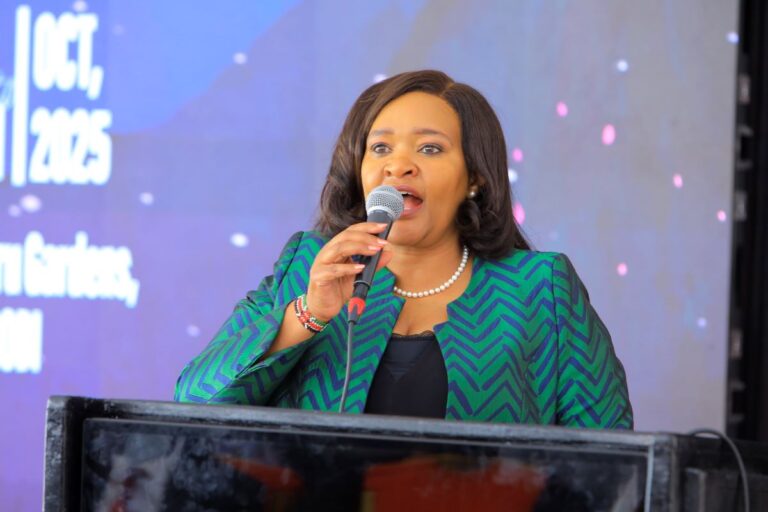
During the launch, Lilly Ajarova described the event as a celebration of two decades of dedication to Uganda’s heritage. She congratulated CCFU for its consistency and teamwork, noting that every engagement with the organization reflects a spirit of unity and purpose.
As she walked through the exhibits, Ajarova highlighted the richness of representation from nearly every corner of the country. Her message carried a deeper meaning: culture is not only about preservation—it is about connection. It opens conversations, builds understanding, and allows people to see themselves in one another.
Speaking on behalf of the Ministry of Tourism, Wildlife and Antiquities, Joseph Ssebunya commended CCFU for its long-standing contribution to the heritage sector. He noted that the Ministry continues to collaborate with cultural institutions to ensure communities benefit from their historical resources.
“Partnerships such as those demonstrated at the exhibition are essential in strengthening community engagement, cultural preservation, and sustainable development,” Ssebunya said, reaffirming the government’s commitment to building stronger cultural and tourism initiatives.
Museums as Spaces of Unity
Barbara Babwetera, Executive Director of CCFU, delivered a powerful reflection during the National Day of Museums celebrations. She reminded participants that in a world often divided by conflict and inequality, museums stand as spaces of hope.
“They are not merely storage places for objects of the past, but living spaces of dialogue, education, and understanding,” Babwetera said. She emphasized that despite differences in language, geography, and culture, humanity remains connected by a shared identity.
Babwetera also highlighted that culture lives within people—in memories, traditions, and oral histories. As CCFU celebrates 20 years, she reflected on the organization’s journey of integrating culture into national development. Her message was forward-looking: Uganda must continue investing in heritage preservation and strengthening community museums to ensure culture remains central to national unity.
Culture as the Future
Over the past two decades, CCFU has helped shift the national narrative. What was once seen as secondary to development is now recognized as a foundation for identity, education, and economic growth. Through its work, community museums have been strengthened, heritage education expanded, and indigenous knowledge systems documented.
The exhibition reinforced a powerful truth: Uganda’s culture is not fading; it is evolving. From traditional foods and crafts to storytelling and historical knowledge, the displays reflected a living heritage actively shaping communities today.
As CCFU celebrates this milestone, the focus shifts to the future. In a rapidly changing world shaped by globalization and urbanization, the need to protect and strengthen cultural heritage has never been greater. The exhibition launch served as a reminder that culture is about shaping the future with intention, pride, and understanding.
Closing Reflection
The CCFU 20-year exhibition launch was more than a celebration; it was a statement. A statement that culture matters. That identity matters. That unity matters. Most importantly, it affirmed that Uganda’s story is still being written—not in isolation, but together.
As the exhibitions continue, one truth remains at the heart of the celebration: A nation that knows its culture knows its strength, and a people who preserve their heritage preserve their future.