Cheetahs Return to Zambia’s Luangwa Valley After 30-Year Absence
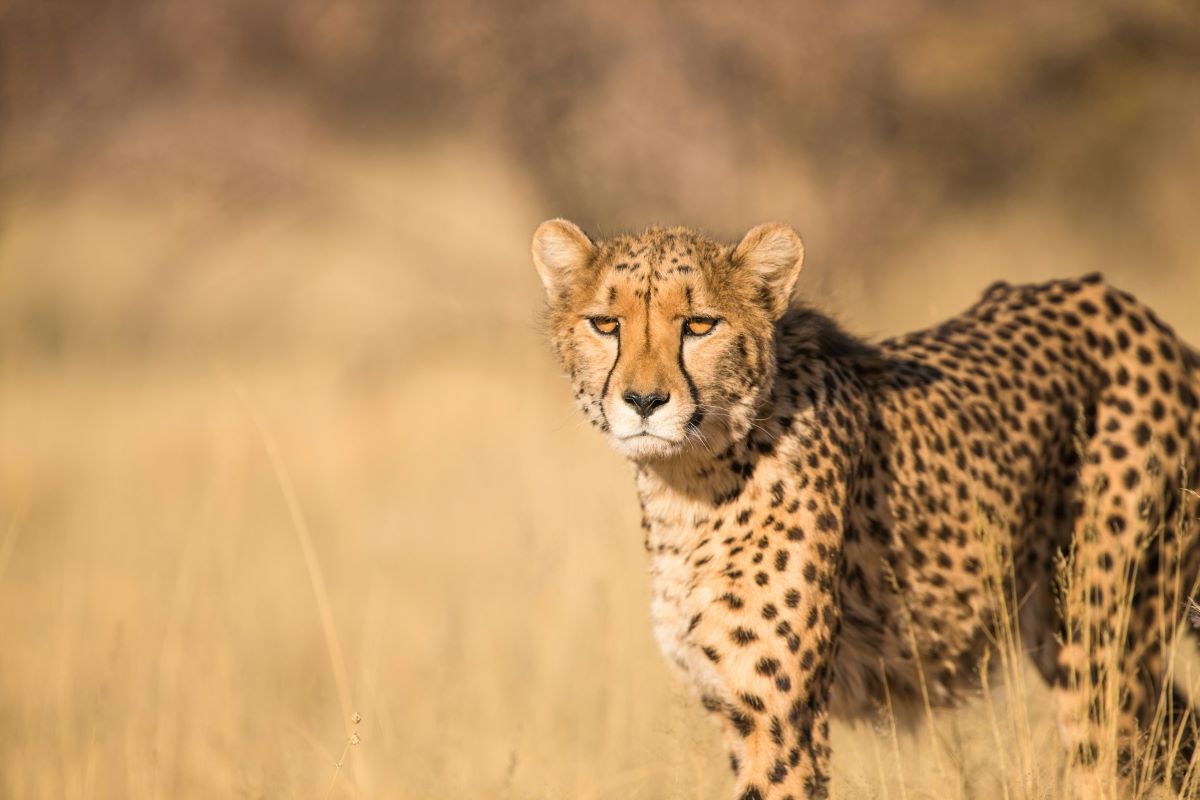
In a landmark conservation milestone, the Government of Zambia has announced the reintroduction of cheetahs to the Luangwa Valley, marking the species’ return to the region for the first time in nearly three decades.
A Historic Conservation Effort
The initiative, led by Zambia’s Ministry of Tourism and the Department of National Parks and Wildlife (DNPW), brings together an unprecedented coalition of local and international partners. These include the Africa Range-Wide Cheetah Conservation Initiative (CCI), the Zoological Society of London (ZSL), the Zambian Carnivore Programme (ZCP), Conservation South Luangwa (CSL), the Endangered Wildlife Trust (EWT), and the North Luangwa Conservation Programme (NLCP), with crucial funding from the Howard G. Buffett Foundation.
With fewer than 6,500 cheetahs remaining globally—confined to just 10% of their historical range—this project represents a critical intervention in reversing the species’ decline. The IUCN Cat Specialist Group has endorsed the reintroduction, confirming it meets international conservation standards.
Phased Release and Scientific Rigor
The reintroduction will unfold in carefully coordinated phases:
- Selection and Preparation: Six cheetahs will be sourced from protected reserves in South Africa. Each animal will undergo thorough veterinary checks, receive necessary vaccinations, and be fitted with satellite tracking collars.
- Acclimatization: Upon arrival in Zambia, the cheetahs will be housed in specialized facilities before moving to a purpose-built 20-square-kilometer sanctuary within the Luangwa landscape. This allows them to gradually adapt before full release.
- Long-Term Monitoring: Continuous tracking and ecological assessments will ensure the population establishes itself successfully.
Dr. Matt Becker of the Zambian Carnivore Programme emphasized the scientific rigor behind the project:
“We are optimistic that this programme will secure a future for cheetahs in the Luangwa Valley while strengthening one of Africa’s most important ecosystems.”
Community Involvement and Sustainable Development
A core pillar of the initiative is community ownership and coexistence. Extensive consultations were held with traditional leaders, Community Resource Boards, and local populations to ensure broad support and shared benefits.
Key community-focused actions include:
- Training in sustainable agricultural practices to reduce bushmeat hunting
- Conservation education and governance support
- Ranger capacity building and wildlife monitoring programs
- Alternative livelihood opportunities to improve food security
Nick de Goede, Programme Manager for NLCP, highlighted the holistic approach:
“This reintroduction showcases the importance of connectivity and collaboration—connecting landscapes, livelihoods, conservation partners, and most importantly, people and wildlife.”
Boosting Tourism and Biodiversity
The Luangwa Valley, spanning approximately 70,000 square kilometers across South and North Luangwa National Parks and surrounding Game Management Areas, offers one of Africa’s largest connected wilderness landscapes. Its restoration as a cheetah habitat is expected to significantly enhance Zambia’s appeal as a premier nature-based tourism destination.
Acting DNPW Director Richard Mwamba stated:
“Beyond increasing biodiversity, the initiative is expected to enhance Zambia’s tourism appeal and contribute to local economic development through nature-based tourism.”
The project aligns with Zambia’s Eighth National Development Plan (2022–2026), which prioritizes conservation and the development of the Northern Tourism Circuit as strategic pillars for sustainable growth.
A Model for Future Conservation
Professor Sarah Durant of ZSL noted the broader implications:
“This project builds on decades of conservation experience and will not only help secure the future of cheetahs in Zambia but also provide valuable lessons for future reintroductions elsewhere.”
As Zambia reaffirms its commitment to biodiversity and sustainable tourism, the return of the cheetah stands as a powerful symbol of hope—not just for the species, but for the ecosystems and communities that depend on them.
For travelers and conservation enthusiasts, the Luangwa Valley now offers a renewed opportunity to witness one of Africa’s most elusive and iconic predators in its rightful habitat.