
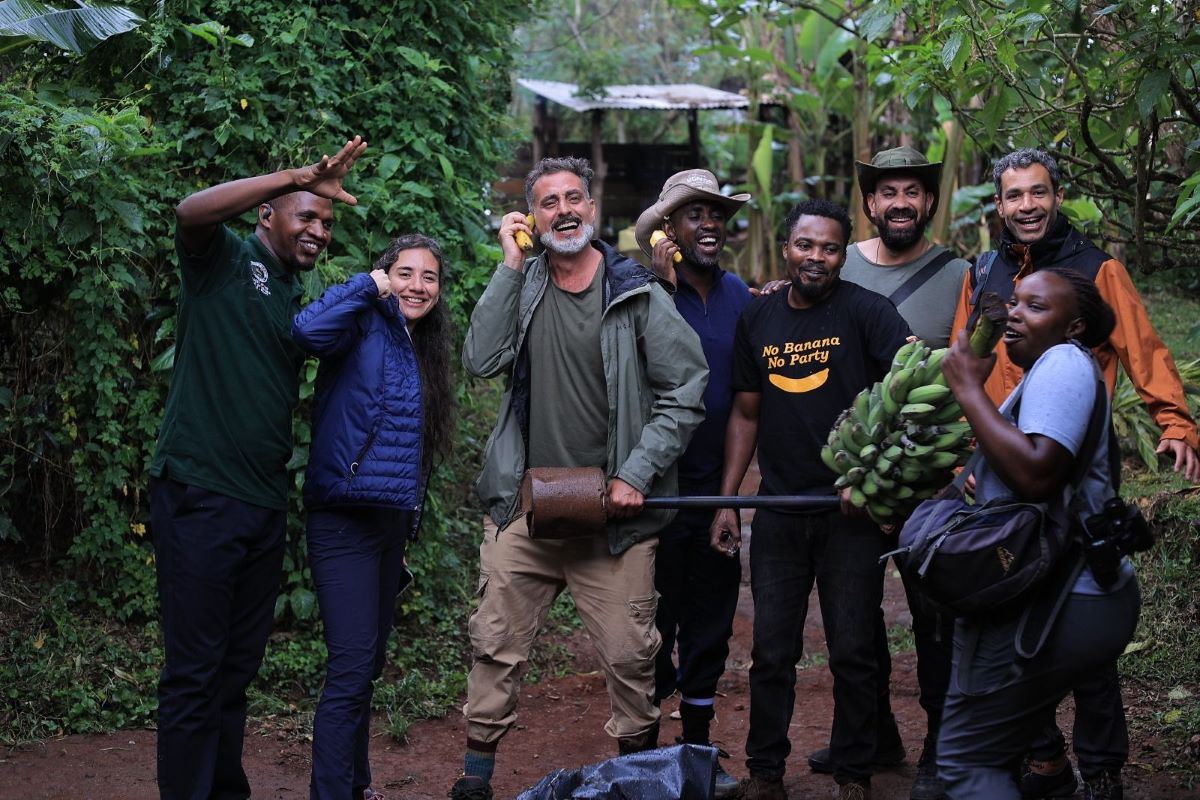
Egyptian Delegation Discovers Kibale, Uganda’s Primate Capital
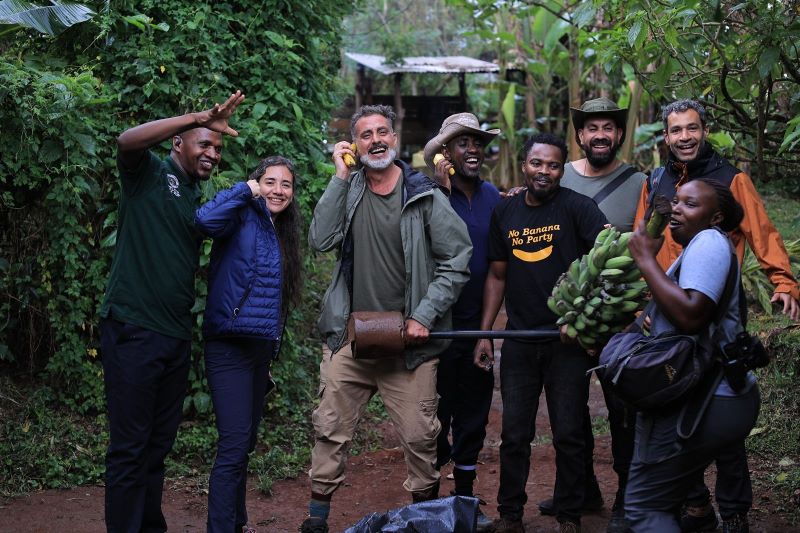
In a landmark journey bridging two ancient civilizations, a high-level Egyptian delegation recently traversed the lush landscapes of western Uganda. Their mission: to explore the country’s pioneering model of experiential tourism, where conservation meets community empowerment in the heart of Kibale Forest.
Uganda is rapidly redefining its place on the global tourism map, shifting from traditional safaris to immersive, knowledge-driven experiences. This strategic pivot was the focal point of a recent high-level visit by an Egyptian delegation, part of a broader “FAM” (familiarization) trip designed to showcase Uganda’s unique biodiversity and sustainable travel infrastructure to key African markets.
A Journey into the Green Heart of Africa
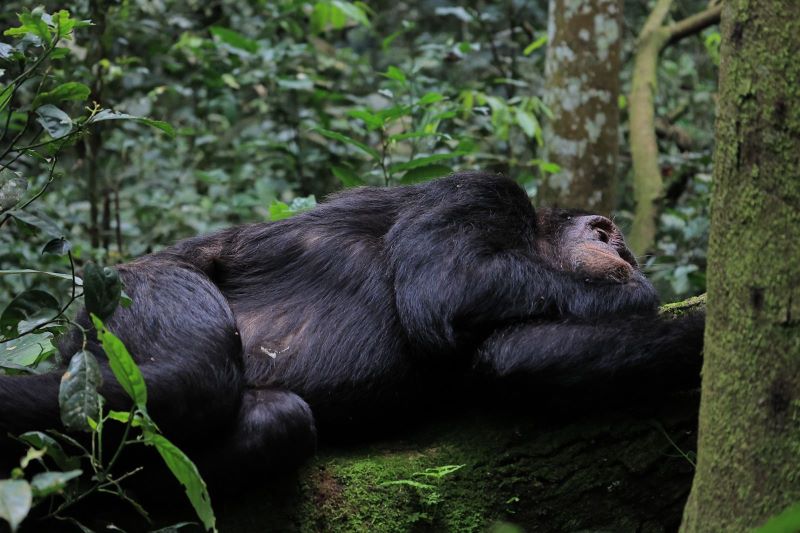
The delegation’s itinerary centered on Kibale Forest National Park, a 766-square-kilometer expanse of moist evergreen rainforest in western Uganda. Often called the “Primate Capital of Africa,” Kibale is home to 13 primate species, including a significant population of over 1,000 chimpanzees .
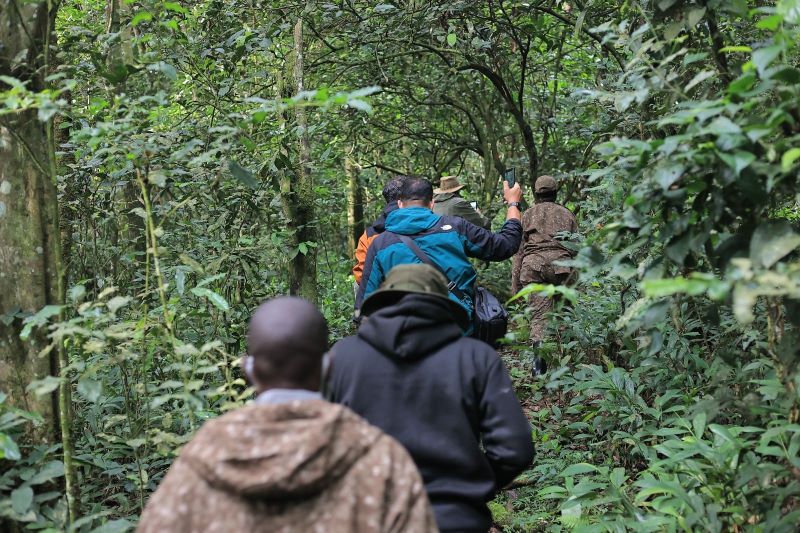
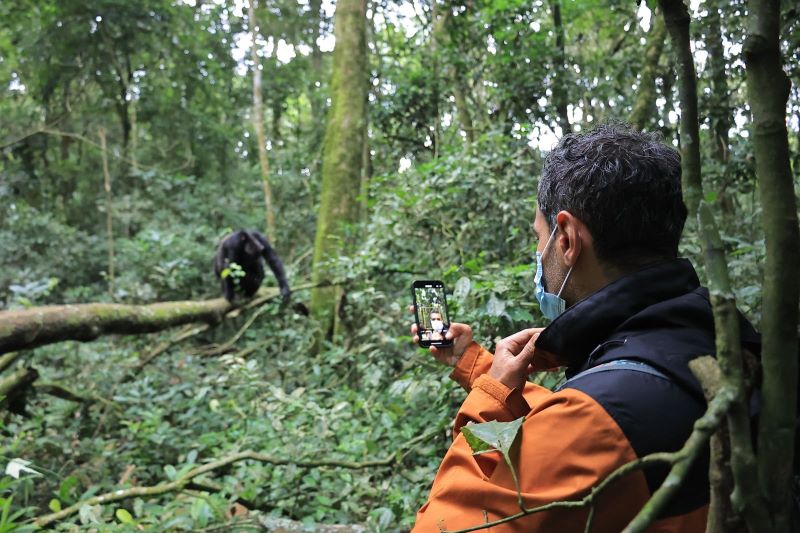
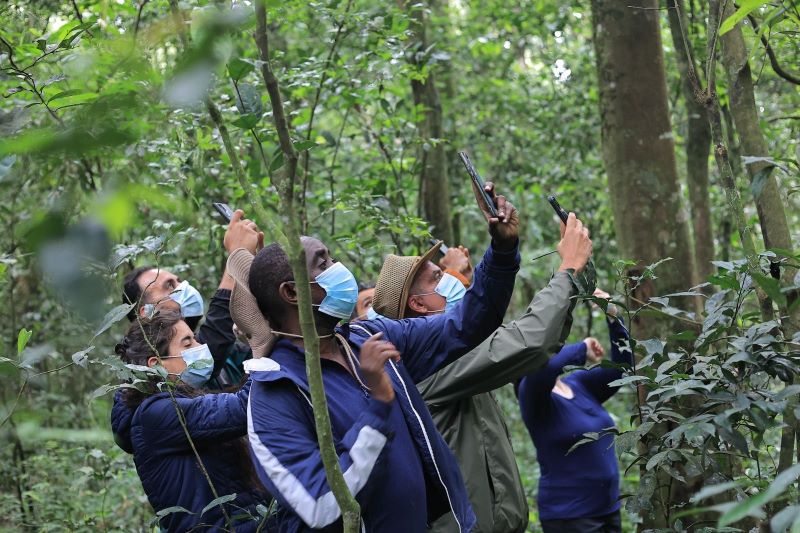
During their stay, the Egyptian officials participated in a chimpanzee habituation experience, an exclusive activity that allows visitors to spend a full day with researchers and trackers. Unlike standard trekking, which offers a brief glimpse, this immersive program provided the delegation with a rare, close-up encounter with wild chimpanzees in their natural habitat. The experience offered deep insights into primate behavior, tool use, and social structures, aligning perfectly with Uganda’s vision of tourism as an educational and conservation-focused enterprise .
“This is not just about seeing wildlife; it is about understanding the delicate balance of the ecosystem and the science behind its preservation,” noted a member of the delegation during the trek.
Bigodi: Where Conservation Meets Community
Beyond the park boundaries, the delegation visited the Bigodi Wetland Sanctuary, a community-managed conservation area that serves as a global model for grassroots eco-tourism. Located just kilometers from the park, the sanctuary protects the Magombe swamp and is home to over 200 bird species, including the iconic Great Blue Turaco and the rare Papyrus Gonolek.
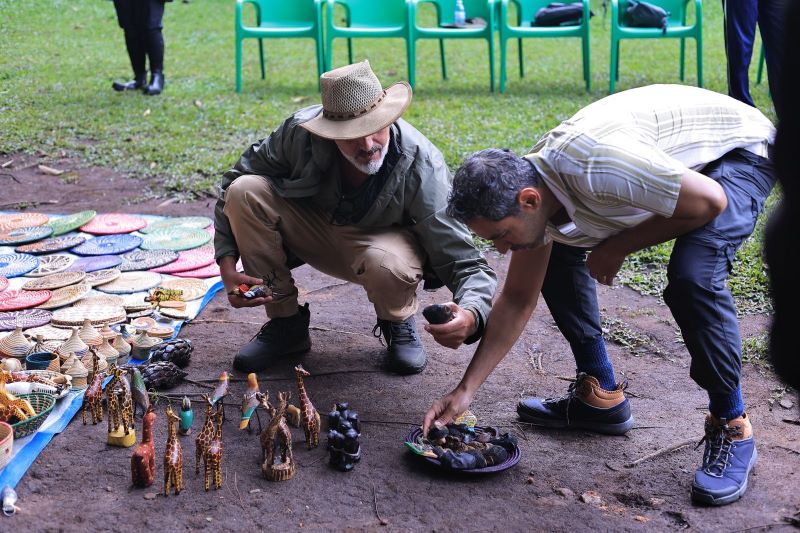
At Bigodi, the Egyptian officials observed firsthand how tourism revenue directly benefits local livelihoods. Managed by the Kibale Association for Rural and Environmental Development (KAFRED), the sanctuary channels funds from visitor fees into community projects, including schools, health centers, and women’s cooperatives. This “Bigodi Model” demonstrated to the delegation how environmental protection and economic empowerment can go hand in hand, a concept that resonates with Egypt’s own growing interest in sustainable development projects.
Aligning with Uganda’s “Tenfold Growth Strategy”
The visit was more than a scenic tour; it was a strategic engagement aligned with Uganda’s “Tenfold Growth Strategy.” This national agenda aims to expand the tourism sector by promoting inclusive, sustainable economic opportunities that place local communities at the center of conservation efforts .
By showcasing how a high-value, low-impact tourism model can drive revenue while preserving biodiversity, Uganda is positioning itself as a competitive destination in the global market. For the Egyptian delegation, the trip offered a blueprint for how two African nations can collaborate to promote responsible travel and cultural exchange.
A New Era for African Tourism
As the delegation departed, the message was clear: Uganda is no longer just a destination for “sightseeing”; it is a place for experiencing. With campaigns like #ExploreUganda and #VisitUganda gaining momentum, the country is attracting a new generation of travelers—like those from Egypt—who seek authenticity, education, and a meaningful connection to the land.
For readers of Travels & Thrills, this visit underscores a vital trend: the future of African tourism lies in stories that blend nature, science, and community. Whether you are tracking chimpanzees in Kibale or walking the wetlands of Bigodi, you are not just a visitor; you are a partner in conservation.






One Comment