
Kenya Calls for Decisive Action Against Wildlife Trafficking Syndicates
Speaking at the 10th Wildlife Inter-Regional Enforcement Conference in Nairobi, KWS Director General Prof. Erustus Kanga urged 42 nations to treat poaching and trafficking networks as serious security threats linked to terrorism financing — and to move beyond declarations toward cross-border action that reaches the financiers, not just the poachers.
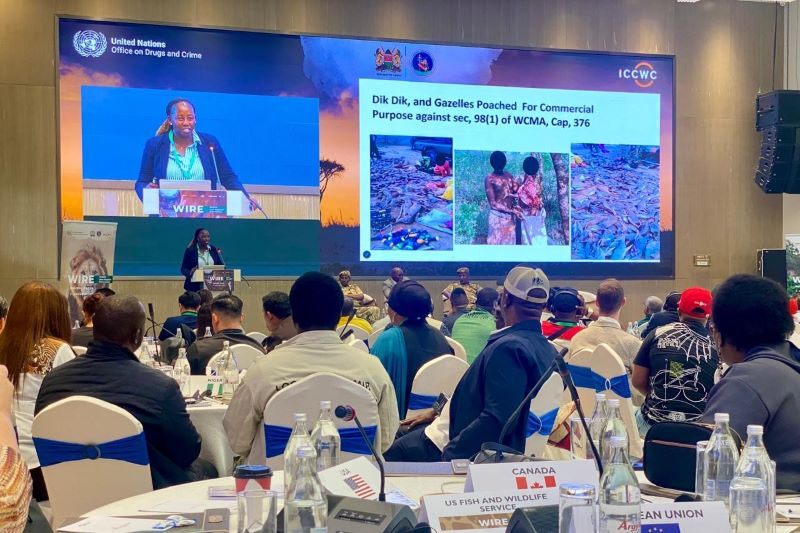
Nairobi, Kenya — Poaching and illegal wildlife trafficking are no longer conservation problems alone. They are organised crimes with direct links to terrorism financing and money laundering, and they belong on the global security agenda. That was the message from Kenya’s wildlife authority at the close of an international enforcement conference convened this week by the United Nations Office on Drugs and Crime (UNODC) and Kenya’s Office of the Director of Public Prosecutions (ODPP).
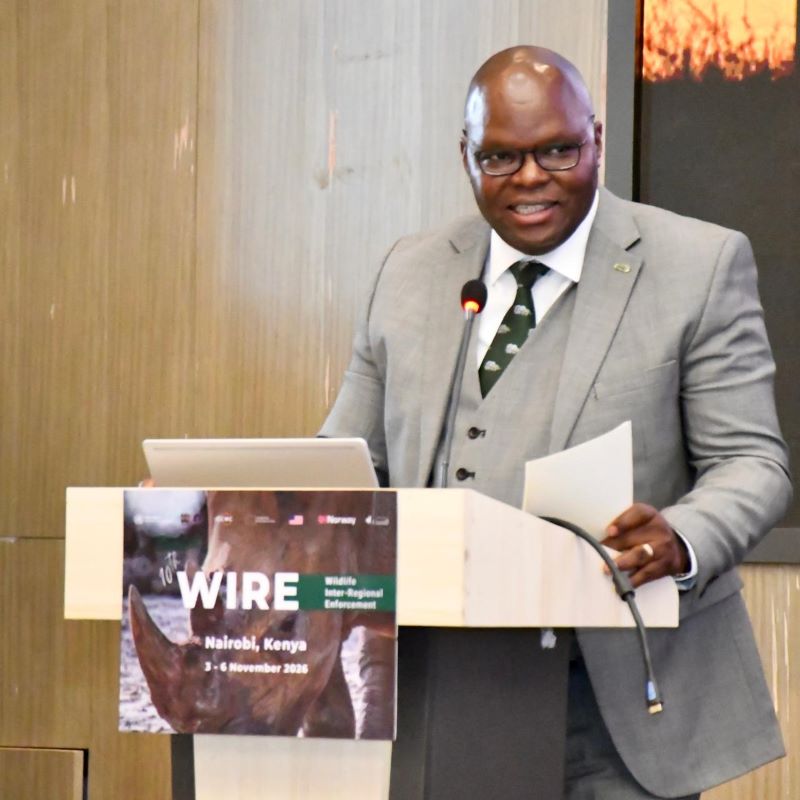
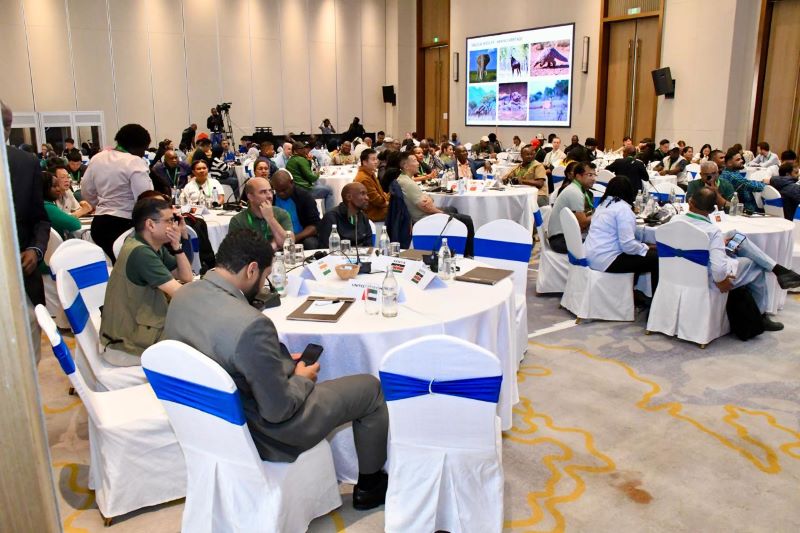
Speaking during the 10th Wildlife Inter-Regional Enforcement (WIRE) Conference, taking place in Nairobi from 3 to 6 November 2026, Kenya Wildlife Service (KWS) Director General Prof. Erustus Kanga called for sustained international support, intelligence sharing, coordinated investigations and effective prosecution as the only reliable route to dismantling criminal networks and recovering illicit assets.
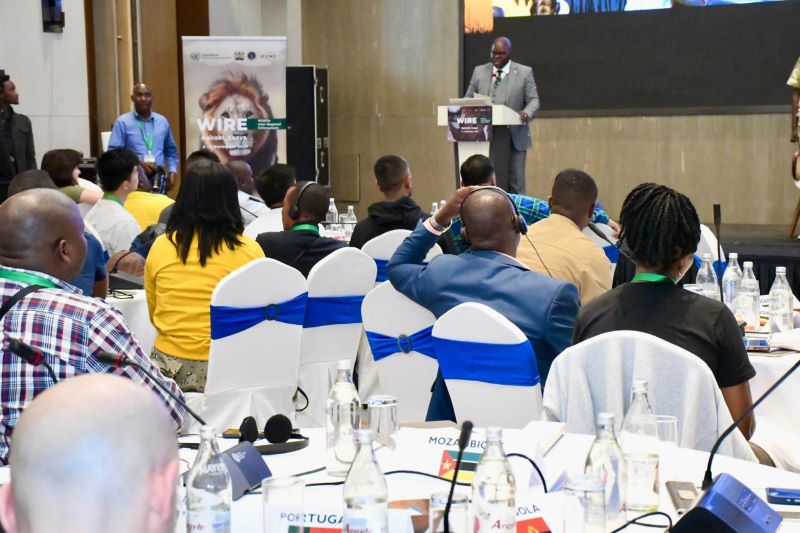
Representatives from 42 countries attended the gathering, a turnout that underscored how far-reaching these syndicates have become. According to KWS, the criminal organisations behind the trade are sophisticated, well-funded and adaptable — moving contraband across borders with the ease of legitimate goods, exploiting weak links in enforcement chains, and rerouting quickly when pressure is applied.
“Follow the Money”
A recurring theme of the conference was the need to look past the snare and the smuggler’s suitcase to the money trail behind them. Delegates were urged to investigate not only the poachers in the field but also the financiers and facilitators who make industrial-scale trafficking possible.
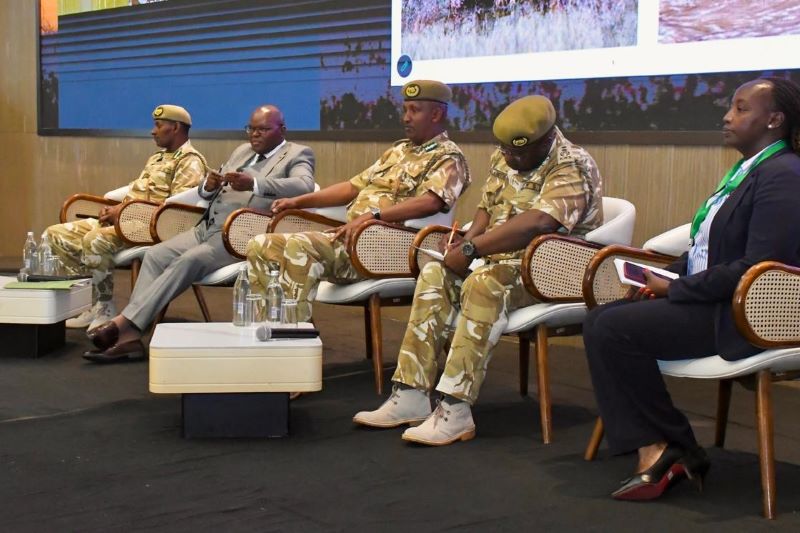
The WIRE Forum itself functions as a connective tissue for this work, linking law enforcement worldwide to share intelligence, build partnerships and coordinate action against wildlife and forest crime. This edition gave countries a platform to exchange intelligence, debate emerging trends and agree on practical measures to strengthen enforcement.
From Commitments to Convictions
Prof. Kanga reaffirmed KWS’ commitment to deepening partnerships with the represented countries and translating collaboration into tangible results. He pressed governments and partners to move from commitments to decisive action, strengthen cross-border cooperation, and ensure that wildlife criminals, their financiers and their beneficiaries face justice.
“Together, we must protect our wildlife, safeguard communities and deny organised criminal networks the proceeds of their activities,” he said.
The appeal lands as Kenya’s conservation estate comes under mounting strain. The country has committed nearly 24 percent of its landmass to wildlife and biodiversity conservation, with KWS managing 24 national parks, 29 national reserves and four marine parks alongside hundreds of community and private conservancies. Prof. Kanga has argued elsewhere that such a vast estate demands smarter tools and faster, intelligence-led decision-making, noting that traditional methods of protection are “no longer sufficient to confront modern realities.”
Kenya is also grappling with the human cost of living alongside wildlife: over 26,000 cases of human-wildlife conflict in the past two years, including 255 fatalities and 725 serious injuries, with the government requiring more than Ksh.1.2 billion to compensate affected families — a reminder that weak enforcement and insecure landscapes carry consequences well beyond ivory and rhino horn.
Why it Matters
International conferences, KWS acknowledged, are only as effective as the follow-up they generate. The fight against wildlife crime demands sustained investment, political will and robust institutional cooperation, with countries sharing intelligence openly, pursuing investigations across borders, and equipping legal systems to prosecute complex organised crime cases.
For the 42 delegations leaving Nairobi after the conference, the test now is whether signatures and communiqués convert into seizures, prosecutions and asset recoveries — and whether wildlife enforcement finally earns its place alongside counter-terrorism and anti-money-laundering work as a security priority in its own right.