Kenya Wildlife Service Taps Archipelagus to Restore “In Danger” Lake Turkana Parks
The Kenya Wildlife Service (KWS) announced on 29 August 2026, a strategic partnership with conservation non-profit Archipelagus to help manage the Sibiloi and Central Island National Parks, part of the UNESCO World Heritage-listed Lake Turkana National Parks. The collaboration marks a significant milestone in implementing the Lake Turkana National Parks Management Plan (2026–2036).
The parks span more than 6,000 square kilometres of protected areas and community-managed rangelands. Sibiloi alone stretches roughly 100 kilometres along Lake Turkana’s eastern shore, joined by Central Island and South Island to the south.
A Landscape of Global Significance
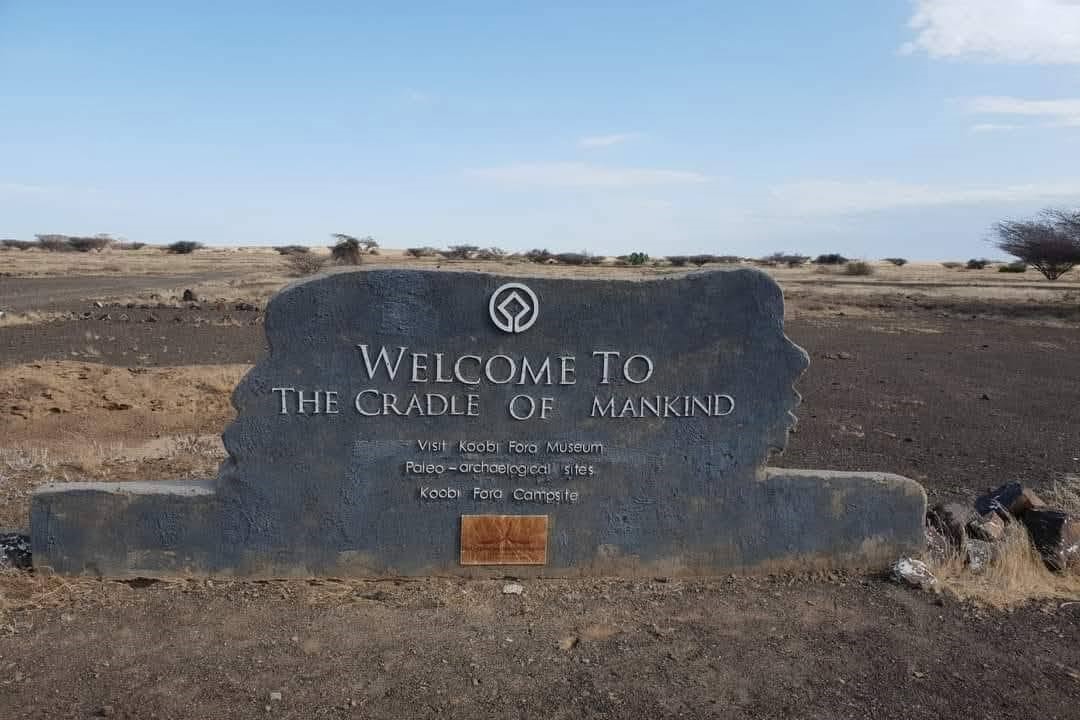
The park is home to the Koobi Fora Formation, where three generations of the Leakey family uncovered some of the most consequential discoveries in the story of human evolution — work that continues today through the Turkana Basin Institute and the National Museums of Kenya.
The wider basin supports the Gabra, Daasanach, Turkana and El Molo communities, who have herded livestock and fished these shores for generations. Wildlife values are equally rare: some of Africa’s oldest Nile crocodiles live here, alongside Kenya’s only population of tiang, a rare antelope of the northern grasslands.
Why the Partnership Matters
World Heritage status for the Lake Turkana National Parks is currently classified as “In Danger.” Unregulated fishing has damaged breeding grounds, degraded grasslands no longer adequately support endemic wildlife, and mounting pressure on natural resources has heightened tensions among neighbouring communities. Yet the ecological foundations remain intact — presenting what the partners describe as a rare opportunity for restoration across this terrestrial and aquatic landscape.
Archipelagus joins KWS, the Turkana Basin Institute, the National Museums of Kenya, the Kenya Marine and Fisheries Research Institute, the Kenya Fisheries Service, the South Island Trust, Community Land Management Committees, and the county governments of Marsabit and Turkana in delivering the revised ten-year plan.
“This partnership with Archipelagus, Kenya Wildlife Service is bringing together the expertise, resources and commitment needed to restore and secure this globally important ecosystem,” said KWS Director General Prof. Erustus Kanga. “It demonstrates our belief that strategic partnerships are essential in delivering effective, long-term conservation outcomes for present and future generations.”
A Phased Roadmap
Archipelagus Executive Director Edd Brooks outlined a sequenced approach: “First we will anchor foundations through security, governance and operational capacity; then we will strengthen land tenure, resolve resource conflicts and create economic opportunities; and ultimately build towards ecosystem restoration, wildlife reintroductions and a sustainable conservation economy.”
Early priorities include a new Sibiloi headquarters, a joint operations centre, additional vehicles, and a network of ranger outposts across Sibiloi and Central Island linked by real-time monitoring systems. The partnership will also back cross-community dialogue on water, grazing and security, plus governance support for the Community Land Management Committees stewarding surrounding rangelands.
Over the longer term, restored Sibiloi grasslands are intended to pave the way for the phased return of reticulated giraffe, Grevy’s zebra, plains zebra and Somali ostrich, with black rhino reintroduction part of the long-term vision. Conservation jobs — rangers, community scouts and ecological monitors — are planned alongside improved water access, community-led fisheries management and carefully managed nature-based tourism.
Prof. Kanga closed with an ambition beyond Turkana: “We are confident that the restoration of the Lake Turkana National Parks will become a model for collaborative protected area management in Kenya and across Africa.”
About the Partners
Kenya Wildlife Service is the state corporation established under the Wildlife Conservation and Management Act, 2013, mandated to conserve and manage Kenya’s wildlife and habitats, enforce wildlife laws and advise government on conservation policy.
Archipelagus is a non-profit working across East Africa at the intersection of science, community leadership and conservation, partnering with Indigenous communities to strengthen land tenure, reduce resource conflicts and create sustainable economic opportunities. More at https://archipelagus.ke.