Luju Festival 2026: A Symphony of Flavor, Fabric, and Sound in Eswatini
Eswatini’s House on Fire venue transformed into a Pan-African nexus this August, as the 8th Standard Bank Luju Food & Lifestyle Festival proved that culture is not just an experience—it is an economy.
From August 1 to 2, the air at House on Fire was thick with the scent of roasting spices, the hum of regional dialects, and the rhythm of 49 music acts. The festival, operating under the guiding philosophy “A Return to the African Future,” has cemented its status as Southern Africa’s premier showcase of heritage and innovation. This year’s edition wasn’t just a celebration; it was a strategic economic engine, drawing over 10,000 attendees from 35 countries—a staggering 34.6% increase in international representation compared to 2025.
A Feast of Nguni Foodways
At the heart of the culinary experience was this year’s theme: Nguni Foodways. The festival moved beyond simple tasting to explore the deep ancestral knowledge that shapes contemporary African cuisine. Five culinary practitioners from Eswatini, South Africa, and Zimbabwe gathered for live demonstrations and “Culinary Indaba” conversations, dissecting the sovereignty of indigenous food systems.
The lineup featured a rich tapestry of traditions:
- Eswatini: Thobile Makhoyane and Sive Bhembe
- South Africa: Mmabatho Molefe
- Zimbabwe: Magriza Made Me Cook
- The Afroguese Experience: Coco & J
For Chef Sive Bhembe, the platform offered a profound reconnection with roots. “Luju has played an instrumental role in reconnecting people with forgotten foodways and indigenous ingredients,” Bhembe noted. “It creates a space where African cuisine can be celebrated, reimagined, and shared.”
The result was a sensory immersion where the flavors of Swati, Zulu, Ndebele, and Xhosa traditions collided, challenging the palate while honoring the past.
Fashion as a Narrative of Identity
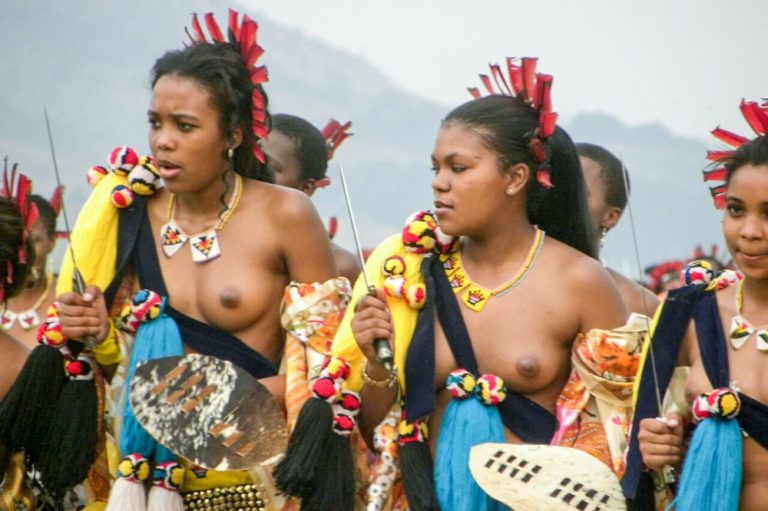
If the food told the story of the land, the fashion told the story of the people. Under the theme “Kwasukasukela: Once Upon a Time,” the runway became a stage for cultural storytelling. Fifteen designers from five countries took to the catwalks, with 11 Swati designers anchoring the core of the presentation.
The event highlighted the power of regional collaboration, notably through Standard Bank Lesotho’s support, which enabled Chere Mongangane of Bonono Merchants to trade at the Fashion Café Pop-Up Runway. This cross-border partnership exemplified the festival’s commitment to a unified creative economy.
Returning Mozambican designer King Levi (founder of XIGUBO and Fancy Africa Fashion Week) emphasized the festival’s unique value proposition. “Luju offers a space where African designers can share not only their collections, but also the stories, traditions, and identities that inspire them,” Levi said. “It is through platforms like this that we continue to strengthen the creative economy and showcase the depth and diversity of African fashion to the world.”
The Soundtrack of a Continent
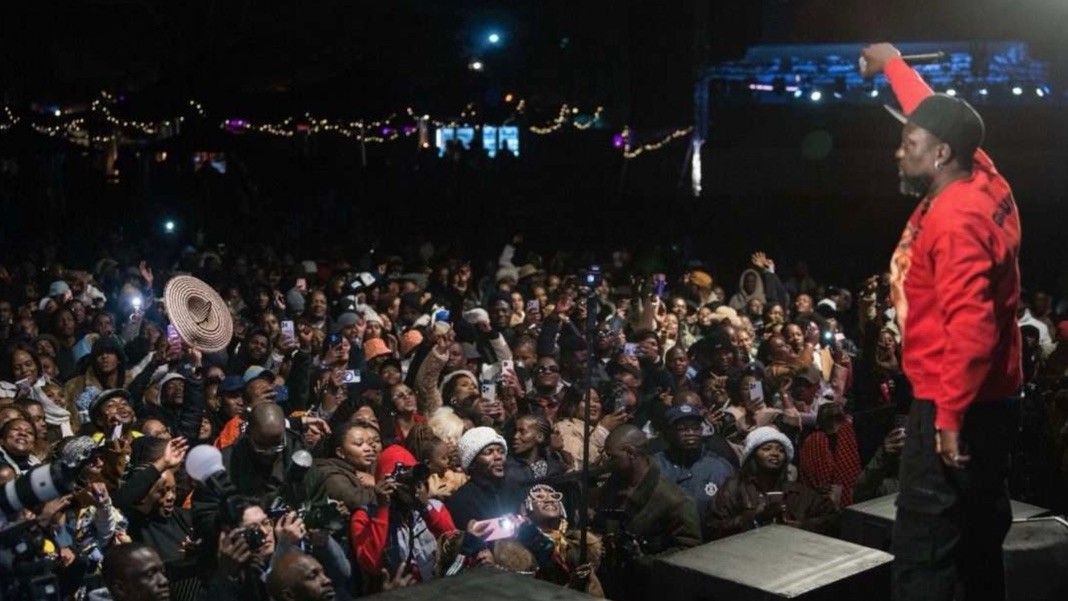
With 49 acts across four stages—the Main Stage, Honeycomb Stage, The Buzz, and the new Sibaya Deck—the music program was a sonic map of Southern Africa. Sixty-two percent of the performers represented Eswatini, sharing the spotlight with giants from South Africa, Mozambique, and Lesotho.
The lineup read like a who’s who of the region’s sounds:
- Headliners: Neyma (Mozambique), Maleh (Lesotho), Zakes Bantwini, Zola 7, The Masekela Band, Nasty C, and Liquideep.
- Local Powerhouses: Bholoja, Cece & Rina, Judah Soul, Oriiginelle, Emagagu, and Sancheziey.
The energy on the Sibaya Deck, in particular, showcased a new dimension of the festival, blending traditional rhythms with modern beats to create a truly Pan-African soundscape.
Economic Impact and Regional Expansion
Beyond the cultural spectacle, the numbers tell a compelling story of growth. The expanded two-day format directly benefited 113 SME traders, who saw a 17% increase in sales compared to the previous year. The festival also generated over 620 employment opportunities across production, hospitality, and services.
The event’s influence is rippling outward. Launch events in Johannesburg and Maputo paved the way for a delegation from Mozambique’s National Institute of Cultural and Creative Industries (INIC), led by National Director Ivan Bonde. The group studied Luju’s public-private partnership model and digital strategies, signaling a future where the festival’s blueprint is exported to strengthen cultural tourism across the region.
Mozambican company Marrabenta Special Events & Technologies further demonstrated this cross-border synergy by supporting the festival’s sound and technical production.
A Vision for the Future
Festival Director Jiggs Thorne sees Luju as more than a local event; it is a launchpad for the entire continent’s creative economies.
“Luju was always designed to grow beyond Eswatini’s borders,” Thorne said. “Our focus is on deepening those regional partnerships across trade, talent, and tourism so Luju becomes a launchpad for SMEs, artists, and designers across Southern Africa.”
Mvuselelo Fakudze, CEO of Standard Bank Eswatini, reinforced the bank’s commitment to this vision. “Our partnership reflects our shared belief that culture, creativity, and commerce are powerful drivers of inclusive economic growth,” he stated. “Our promise, Phokophela Sinawe, is to walk alongside Emaswati and our regional neighbours as they pursue their ambitions.”
As the dust settled on House on Fire, one thing was clear: when food, fashion, and music share a stage, they do more than entertain. They build a future.