
Botswana Unveils Ambitious MICE Strategy to Diversify Tourism Economy
The Botswana Tourism Organisation and HATAB have launched a strategic engagement to accelerate the implementation of the country’s MICE Strategy, focusing on new quality standards, public-private collaboration, and positioning Botswana as a premier global destination for meetings and conventions by 2036.
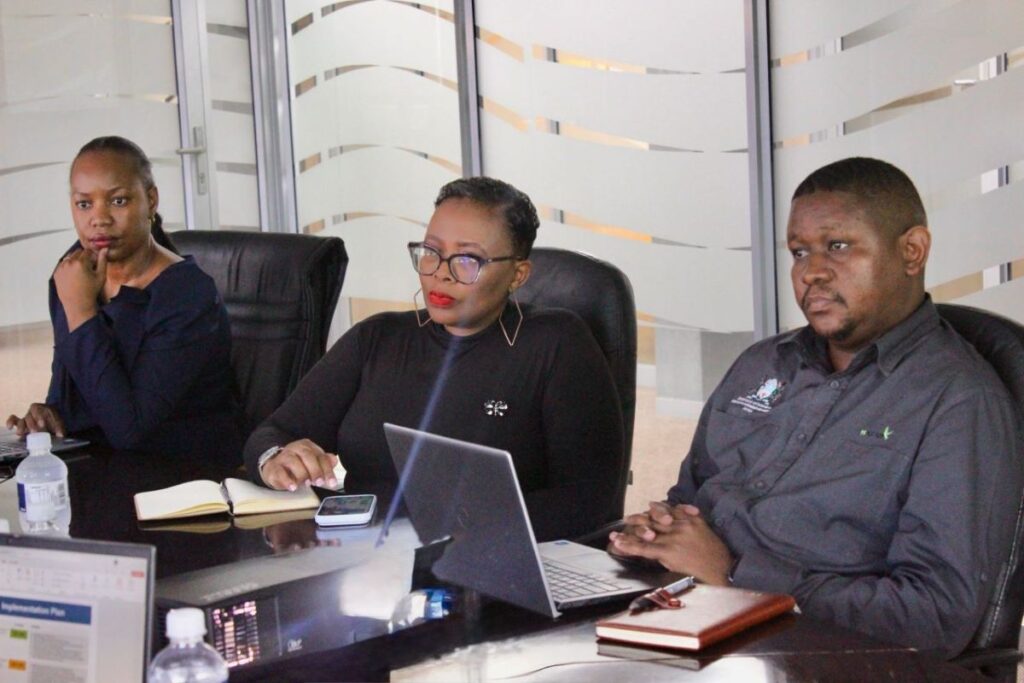
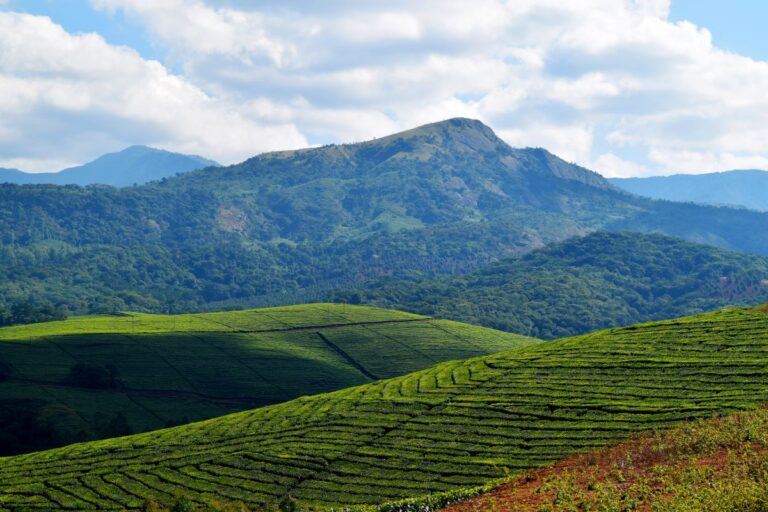
While the world often pictures Botswana through the lens of its rugged wilderness—the silent vastness of the Okavango Delta or the thundering herds of the Chobe floodplains—a new chapter is being written for the nation’s tourism sector. In a move to diversify its economy and attract high-value visitors, the Botswana Tourism Organisation (BTO) and the Hospitality and Tourism Association of Botswana (HATAB) have held a pivotal engagement on the Meetings, Incentives, Conferences, and Exhibitions (MICE) Strategy.
The strategy, which aims to position Botswana as a premier global hub for MICE tourism by 2036, marks a significant shift in the country’s approach to travel and leisure. It is not merely about hosting meetings; it is about integrating a robust, competitive sector that complements the country’s existing wildlife offerings.
A Strategic Vision for 2036
The MICE Strategy proposes an integrated development approach across key destinations. While Gaborone and Francistown serve as the commercial hubs, the strategy extends the reach to tourism powerhouses like Maun and Kasane, as well as emerging markets in Palapye, Ghanzi, Kgalagadi, and Selebi-Phikwe.
This expansion is critical under the broader Botswana Transformation Economic Programme (BTEP). MICE has been identified as a key tourism product with the potential to drive economic diversification, create jobs, and significantly increase visitor spend. Unlike traditional tourism, which can be seasonal, the MICE sector offers a more stable year-round revenue stream, attracting business travelers who stay longer and spend more.
Bridging the Public and Private Sectors
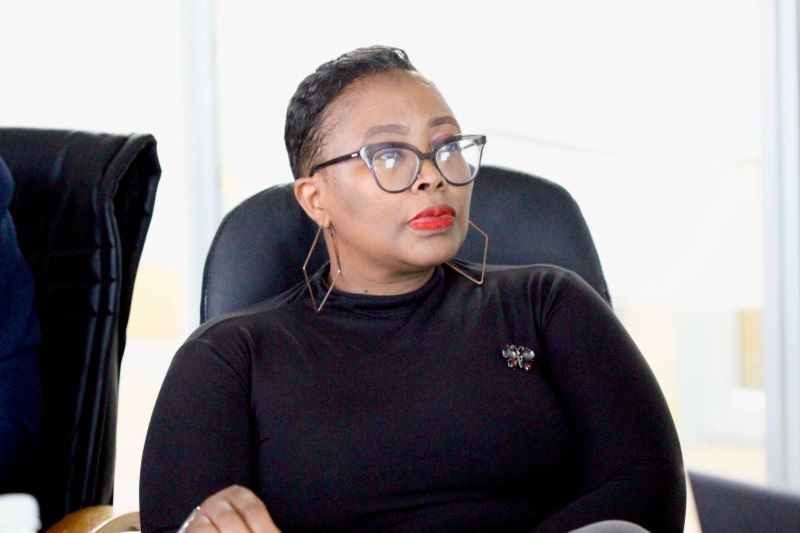
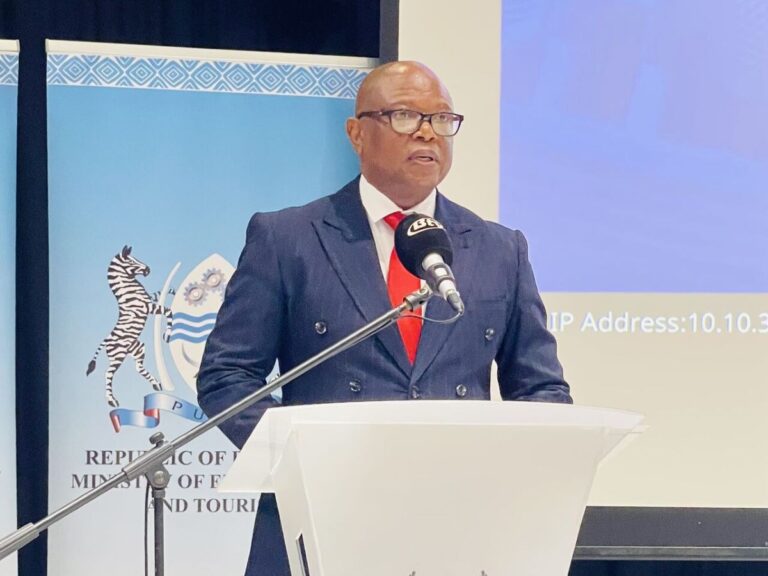
A recurring theme in the engagement was the necessity of strong collaboration between the government and the private sector. Ms. Tebogo Ramakgathi, BTO’s Acting Executive Manager for Marketing, emphasized that unlocking the full potential of the MICE sector requires a unified front.
“We are committed to working closely with the private sector to ensure the successful implementation of this strategy,” Ramakgathi noted. “Strong collaboration among industry stakeholders is critical. We cannot do this in silos; the public and private sectors must move as one to attract global investment and business growth.”
Setting the Standard for Quality
For Botswana to compete on the global stage, quality is non-negotiable. A key focus of the discussions was the development and implementation of tourism standards that ensure competitiveness. The Botswana Bureau of Standards (BOBS) participated in the engagement to clarify existing frameworks and propose new standards tailored to the MICE sector.
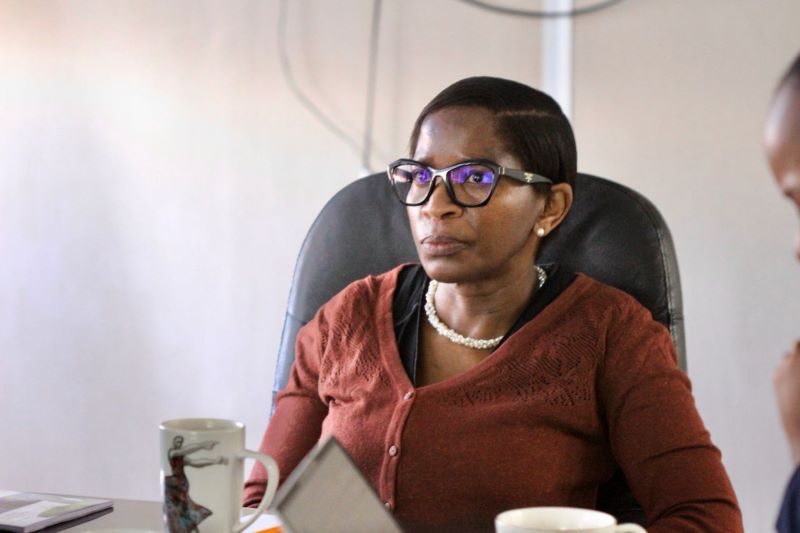
Ms. Lilly Rakorong, CEO of HATAB, pushed for more than just the creation of these standards. She called for their swift monitoring post-implementation to ensure they add tangible value to businesses. Furthermore, Rakorong emphasized the need for benchmarking Botswana’s standards against international best practices.
“To remain competitive, we must look outward,” Rakorong stated, advocating for a comparative analysis with other leading MICE destinations. This ensures that Botswana’s offerings—from convention centers to hospitality services—are aligned with what global buyers expect.
The Road Ahead
The engagement reaffirmed a clear message: the MICE Strategy is not just a document, but a roadmap for practical intervention. By strengthening infrastructure, standardizing services, and fostering public-private partnership, Botswana is positioning itself to capture a larger share of the lucrative global events market.
As the country looks toward 2036, the goal is clear. Botswana aims to prove that it is more than a safari destination; it is a conference capital, an incentive hub, and a vibrant center for exhibitions. If the collaboration between BTO, HATAB, and the private sector holds true, the coming decade could see a transformed tourism landscape—one where boardrooms and bush camps coexist in equal measure.