Minister De Lille Puts Rural Communities at the Heart of Digital Tourism Innovation
In partnership with the University of Cape Town, Tourism Minister Patricia de Lille has launched the second annual challenge, tasking students with building digital solutions that help rural and township businesses compete in the online economy.
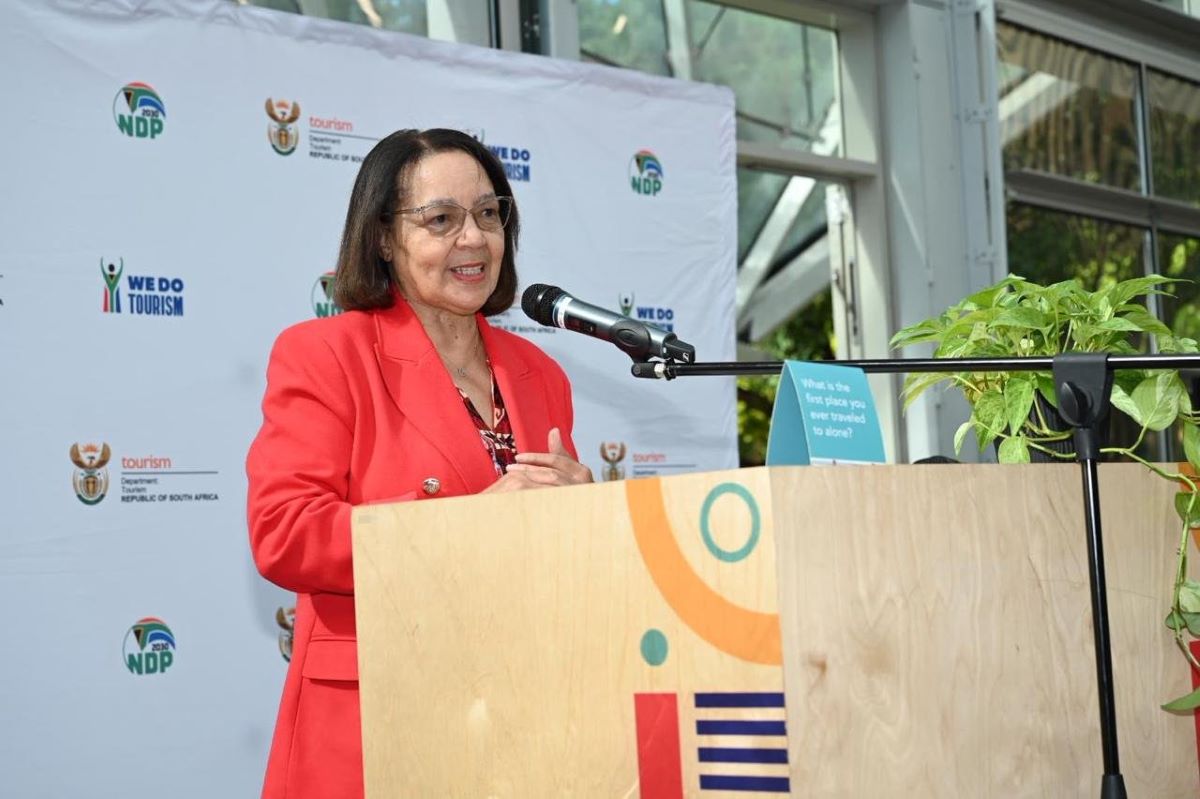
University of Cape Town — Tourism Minister Patricia de Lille has officially launched the 2026 Tourism Hackathon Challenge, an initiative designed to bridge the digital divide in South Africa‘s travel sector. In partnership with the University of Cape Town (UCT), the programme brings together 50 students to develop technology solutions that empower rural and township tourism businesses.
This year’s challenge is centred on the theme “Community Based Tourism and Rural Inclusion,” signalling a strategic shift toward ensuring that economic growth in the tourism sector reaches marginalised communities.
“Tourism Policy Is Economic Policy”
In her address, De Lille emphasised that decisions about how destinations are developed and promoted have direct consequences for investment, job creation and who gets the opportunity to build a business. She argued that as more of the visitor journey moves online, access to digital tools and markets must form part of those decisions.
“Our responsibility is to ensure that rural and township businesses can participate in that economy and share in the growth it makes possible,” she said. “For the Department of Tourism, that means making it easier for local businesses to reach travellers, secure bookings and earn income from the experiences they offer.”
The Minister stressed that digital innovation supports both goals only when the people who will use the technology help shape it from the start. She urged students to engage directly with homestay owners, guides and village operators to understand their constraints — from data costs and payment speeds to device accessibility.
“A booking tool might need to work on a basic smartphone and use very little data,” she told participants. “Behind every booking is a business that has to deliver an experience, and behind every experience are people whose knowledge, skills and time give it value.”
Building on Last Year’s Success
The 2026 edition builds on the inaugural G20 Tourism Hackathon held in 2025, which saw 48 students from 21 higher education institutions compete to solve real-world tourism barriers.
The winning team, The Catalysts, developed the “Hologram Hub,” a platform allowing rural communities to share their stories, showcase their culture and attract visitors. They took home R175 000 of a combined half-million-rand prize pool. Second-place finishers Map My Biz received R140 000 for an AI-supported entrepreneurship learning platform delivered through offline-accessible kiosks, paired with a smart digital map connecting certified local businesses to tourists. Third-placed Ubuntu Unlimited earned R105 000 for a virtual reality, artificial intelligence and blockchain platform preserving African rural culture for international audiences.
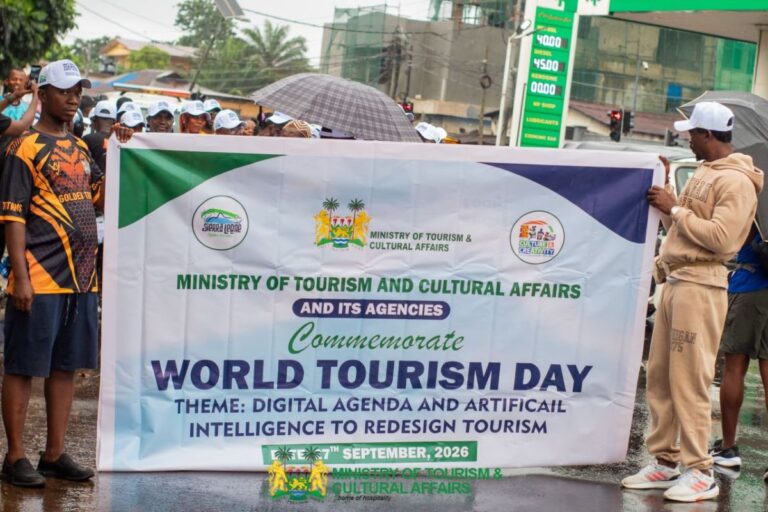
“One of my proudest moments last year was watching these top three groups present their solutions to Tourism Ministers from across the world during the G20 Tourism meeting,” De Lille said. Their innovations were also showcased at the World Tourism Day celebrations in Limpopo under the theme “Digital Agenda and Artificial Intelligence to Redesign Tourism.”
A Three-Year Partnership with UCT
The challenge forms part of how the department is putting the Cabinet-endorsed Tourism Growth Partnership Plan into practice. The department has established a three-year strategic partnership with UCT, drawing on the university’s expertise in design thinking, innovation, entrepreneurship and financial technology.
De Lille thanked Vice-Chancellor Professor Mosa Moshabela and the UCT team, along with Professor Ramugondo for hosting the launch. She also acknowledged CATHSSETA, the Centre for Public Service Innovation, Future Leaders Challenge and Geekculture, alongside participating institutions and mentors volunteering their time with students.
What’s Next
Students from public and private universities will work with mentors and community members to identify a barrier to growth and build something that removes it. The Minister set a clear benchmark for the final pitches: show what the prototype could change for a business and the people who depend on it. The Department and UCT will explore opportunities to support the top three finalists through relevant innovation and entrepreneurship development programmes.
“The 2026 Tourism Hackathon Challenge is officially launched,” De Lille declared.