Nile Connection: Why Egypt-Uganda Exchange is a Blueprint for Modern Diplomacy
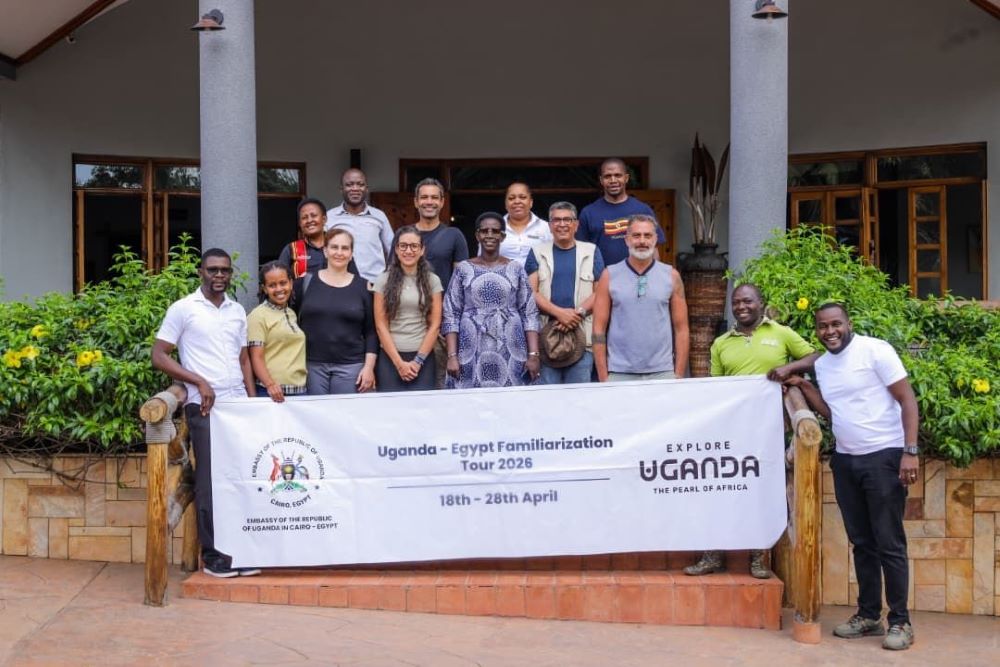
Editorial | Kampala-Cairo — For decades, the relationship between nations sharing the Nile has often been viewed through the narrow lens of resource management. However, the conclusion of a 10-day familiarization tour by a high-level Egyptian delegation to Uganda (April 19–28, 2026) marks a refreshing shift in the narrative. By trading conference rooms for the misty slopes of Bwindi and the pastoral plains of Mbarara, Cairo and Kampala are proving that the most enduring diplomacy is built on human connection, cultural authenticity, and shared economic ambition.
Beyond the Handshake: Diplomacy in Motion
The tour, which concluded at Emburara Farm Lodge, was not a mere series of photo opportunities. Organized under Uganda’s Economic and Commercial Diplomacy (ECD) framework, it served as a practical application of the government’s “Tenfold Growth Strategy.” This ambitious agenda aims to scale Uganda’s economy from $50 billion to $500 billion, with tourism and value-added agriculture as its twin engines.
The itinerary was a masterclass in showcasing national identity:
- Conservation as Capital: In Bwindi Impenetrable National Park, delegates witnessed a world-class wildlife management model that balances high-value tourism with the protection of over 460 mountain gorillas.
- Cultural Roots: At Emburara, the focus shifted to the Ankole long-horned cattle—an enduring cultural symbol that links Uganda’s agricultural heritage to sustainable luxury tourism.
- The Source of Life: From Murchison Falls to the Source of the Nile, the visit reframed the river not as a point of contention, but as a shared asset for energy, tourism, and identity.
The Power of the “Cultural Ambassador”
The composition of the delegation—comprising media figures, influencers, and acclaimed actor Mahmoud Hemida—allows Uganda to bypass traditional diplomatic filters. When Hemida speaks of Uganda’s potential for long-term investment, or documentary photographer Ashraf Talaat captures the “authenticity and human connection” of the people, they speak to an Egyptian audience with a level of trust that a government press release cannot match.
Scaling the Value Chain
The feedback from local stakeholders, including Florence Tumwebaze of Emburara Farm Lodge and Juliana Kagwa, CEO of the Uganda Tourism Board, highlights a critical internal benefit: these high-level exchanges force local enterprises to align with international standards. This “global tourism value chain” isn’t just about bed nights; it’s about elevating the Ugandan brand to compete on the world stage.
A New Chapter for the Nile Basin
As the delegation returns to Egypt, the “symbolic engagement” phase has ended. The challenge now lies in what Lt. Gen. Charles Angina, Uganda’s Chargé d’Affaires in Cairo, described as the “next phase”: translating these newfound relationships into sustained trade partnerships and increased exchange.
Uganda and Egypt have set a high bar for regional cooperation, showing that the path to economic prosperity is paved with culture, conservation, and a deep respect for shared history. The “Cairo to Kampala” journey has proven that while the Nile flows one way, the opportunities for collaboration flow both.