Tourism “A Bridge Between Opportunity and Hope,” Says Deputy Minister Sotyu
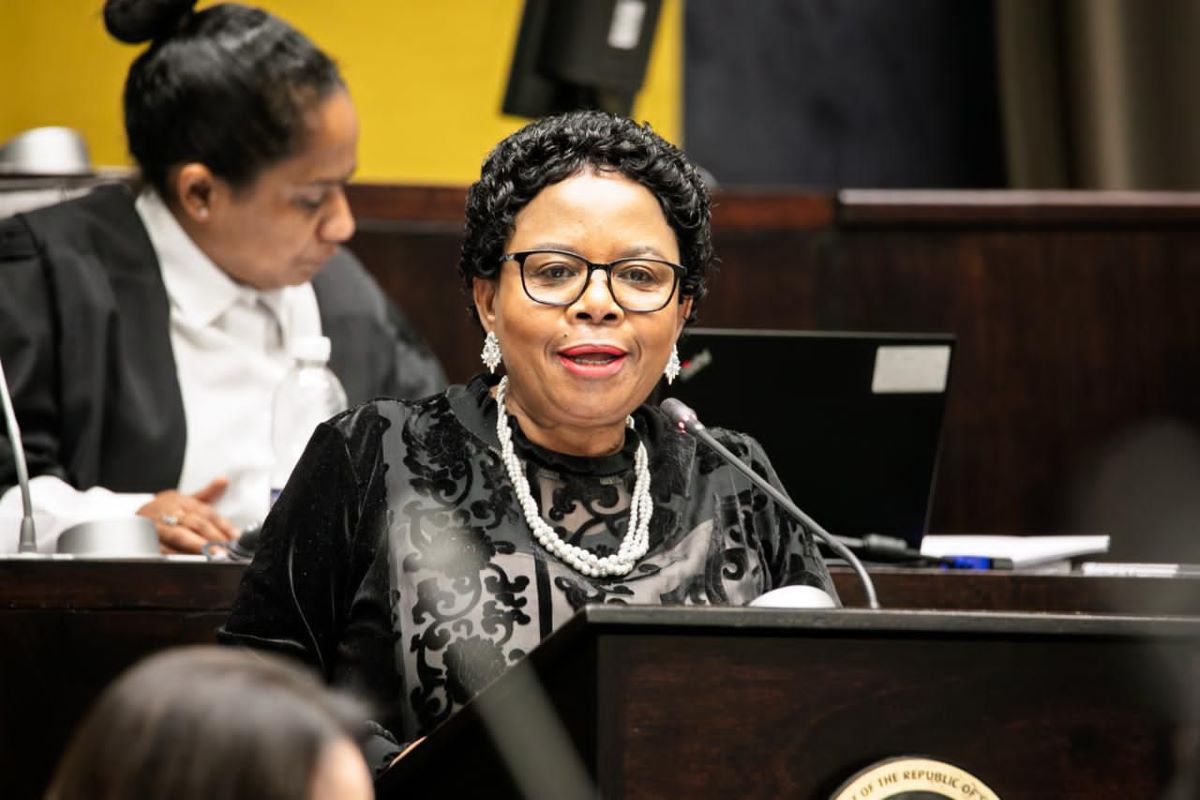
South Africa’s Deputy Minister of Tourism, Maggie Sotyu, has reaffirmed the government’s commitment to inclusive growth and transformation in the tourism sector, describing the industry as a key driver of economic participation and social development.
Delivering her Budget Vote 38 speech in the National Assembly on Tuesday, Sotyu said tourism continues to play a critical role in advancing the country’s constitutional vision by creating jobs, supporting livelihoods, and expanding opportunities for historically marginalised groups.
Marking 30 years of South Africa’s Constitution, Sotyu said tourism reflects the values of inclusion, diversity, and shared prosperity. “Tourism brings to life the spirit of our Constitution — a South Africa that is open, welcoming, diverse, inclusive, and united in its humanity,” she said.
She emphasized that transformation remains central to the sector’s long-term sustainability, noting that meaningful participation by women, youth, people with disabilities, and small enterprises is essential for building a globally competitive tourism economy.
Sotyu highlighted efforts to expand access for small tourism businesses through platforms such as Africa’s Travel Indaba and Meetings Africa, where small, medium, and micro enterprises (SMMEs), township operators, and youth entrepreneurs were connected to international markets. “When small tourism businesses gain access to global buyers, inclusion becomes income,” she said.
The Department of Tourism is also focusing on spreading tourism opportunities beyond traditional hubs. Sotyu said ongoing projects in rural areas, townships, and small towns aim to stimulate local economies and ensure broader geographic participation. “Every community has a tourism story to tell,” she noted.
On quality assurance, Sotyu said the Tourism Grading Council of South Africa (TGCSA) has strengthened destination competitiveness and visitor confidence. Over the past year, the council graded approximately 4,544 establishments, surpassing its annual target. The Basic Quality Verification programme has also supported emerging accommodation providers in underserved areas to become market-ready.
Tourism safety remains a top priority, she added, with the National Tourism Safety Forum working alongside law enforcement and local authorities to improve coordination. The Tourism Monitors Programme continues to enhance safety at key sites while creating employment opportunities for young people.
Sotyu also pointed to growth in the business events sector, noting that 16 conferences hosted in villages, townships, and small towns attracted around 5,000 delegates and generated an estimated R53 million for local economies.
Women and youth empowerment remains a key focus, with initiatives such as the Women in Tourism platform providing opportunities for networking, mentorship, and enterprise development across the value chain.
“Tourism is more than an industry. It is a bridge between people, cultures, opportunities, and hope,” Sotyu said, stressing the need to ensure that sector growth translates into tangible benefits for communities across the country.
She concluded by thanking Tourism Minister Patricia de Lille, departmental leadership, and Parliament’s portfolio committee for their continued support and oversight.