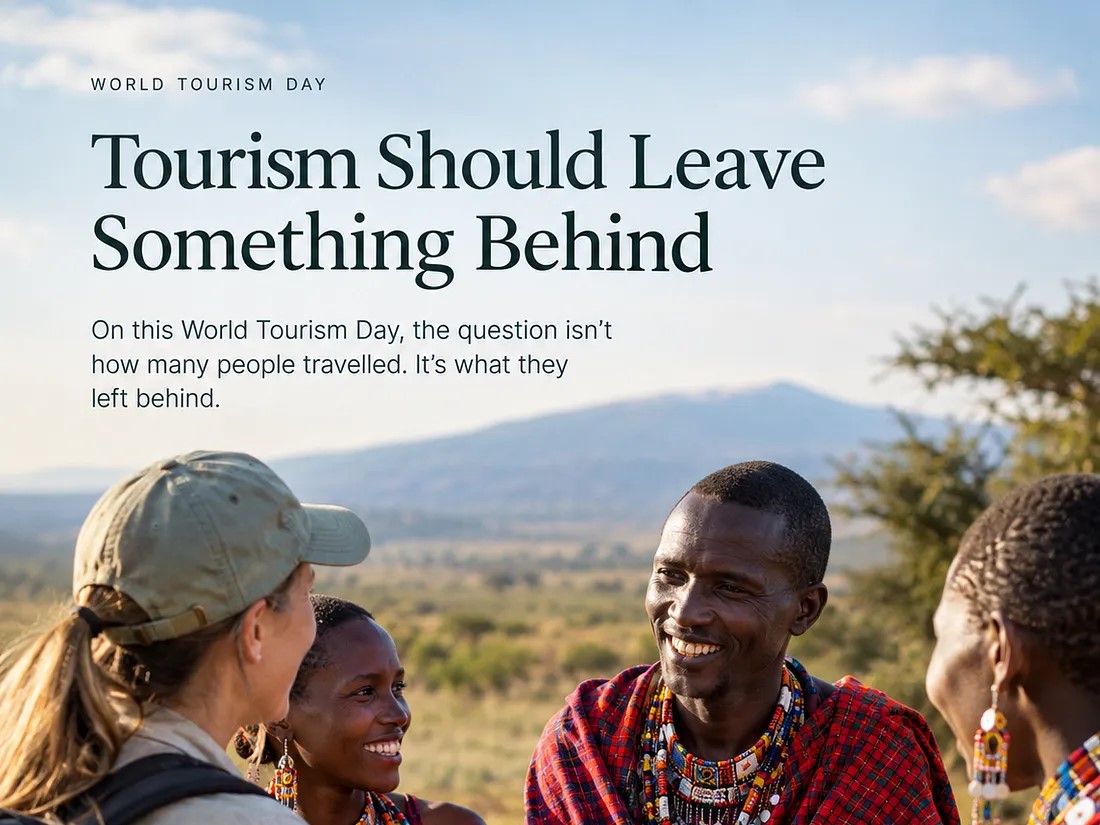
WTD 2026 Cogitations: Tourism Should Leave Something Behind
Every World Tourism Day arrives with the same headline numbers: arrivals up, occupancy up, spend up, growth confirmed. Nobody serious about tourism would dispute that those figures matter. They tell us about the scale of the sector, its reach, its recovery, its momentum.
What they don’t tell us is whether the place itself is any better off for having been visited.
What the Numbers Can’t Tell Us
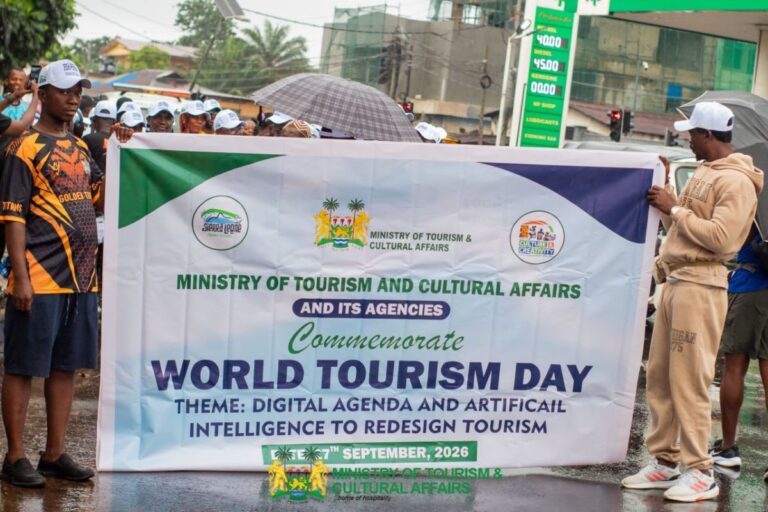
This year’s World Tourism Day theme, “Digital Agenda and Artificial Intelligence to Redesign Tourism,” is a conversation worth having. Technology genuinely could change how people find destinations, how businesses run, how places understand the people coming through them.
But it raises a question that deserves to sit at the centre of all this: if tourism is being redesigned, what exactly is it being designed toward?
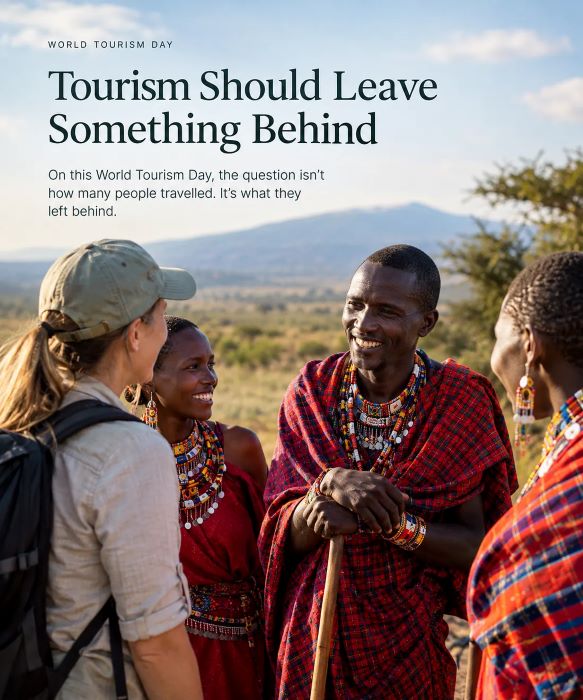
Are destinations just getting better at drawing bigger crowds and moving people through more efficiently? Or can these tools build places that work better for the people who make tourism possible in the first place?
Because there are things visitor numbers will never tell us:
- What happens to local businesses when high season ends?
- Who actually gets a say in shaping tourism policy?
- Are communities defining what tourism means to them, or are they characters in the story told to visitors?
- When tourism “grows,” what really changes for the people living in the middle of it?
These questions rarely appear on a dashboard. But they decide, more than any algorithm, whether tourism becomes something a destination is proud of or something it merely tolerates.
Governance Decides the Answer, not Leakage
Ask why tourism grows in a destination without the community growing alongside it, and the answer usually reaches for leakage: money flowing out through foreign-owned platforms, imported supply chains, commissions paid to intermediaries far from the place itself. Leakage is real, and it matters.
But leakage is a symptom, not the cause. The cause sits one level up: who is in the room when a destination decides what tourism should look like, who isn’t, and why that has been allowed to stand for so long.
It rarely looks like exclusion from the outside. It looks like a tourism strategy written in a language most residents don’t read fluently. A stakeholder meeting scheduled on a weekday morning that only salaried staff can attend. A community “consultation” held after the masterplan is already drafted, where the only real choice on offer is whether to accept it. None of that requires bad intentions. It just requires nobody to have asked who was missing from the room, and by the time anyone notices, the plan is already funded and moving.
A community with a genuine seat at that table can renegotiate leakage: it can ask for local sourcing requirements, better wage floors, a share of concession revenue. A community without one has no lever to pull at all, no matter how the money is flowing.
That’s the harder question, and the one that rarely gets asked. Not where the money goes, but who gets to decide where it goes in the first place.
Technology is a Tool, Not an Outcome
Technology doesn’t answer these questions on its own. AI and digital tools can help destinations understand themselves, manage visitor flows, and personalise experiences. They might open doors for small businesses and places that never had the reach of the big platforms.
But who benefits from all of it is decided by choices: how these tools are built, governed, and used. An AI system trained mostly on data from well-documented, well-marketed destinations will keep recommending the same well-documented, well-marketed destinations. It won’t surface the community-run cultural stopover with no website and no reviews, however good the experience is, because it has nothing to learn from. Redesigning tourism with AI, without redesigning whose story that AI is trained on, just automates the same exclusions faster.
AI can optimise a booking funnel. It can predict crowd density, match travellers with experiences, smooth out seasonal demand. Those are real benefits. But an algorithm optimising toward “more visitors, more spend” will happily optimise a destination into the ground if nobody asks it to optimise for anything else. Efficiency is not the same thing as value. Scale is not the same thing as health.
The technology will do whatever it’s told to do. The question is what it’s being told to do it for, and who is doing the telling.
What a Redesigned Destination Actually Looks Like
Perhaps that’s the more interesting part of “redesigning tourism.” Not redesigning how people travel, but redesigning how destinations live.
Places that know who they are, rather than chasing whatever is trending this season. Where locals have a real voice in what happens next, not a decorative seat at the table. Where more of the money stays in the destination instead of leaking out to platforms and intermediaries far away. Where culture, landscapes, and nature aren’t treated as props for a photo, but as assets worth caring for over the long term. And where success isn’t just how many people came, but what tourism made possible for the place.
None of this is anti-growth. It’s pro-substance. A destination that measures what matters can grow more confidently, because it knows what that growth is building.
What Asking the Community Actually Looks Like
This doesn’t have to stay abstract. It looks like planning documents published in the languages people actually speak, not just the ones investors read. It looks like revenue and benefit-sharing terms that get revisited on a schedule, not agreed once and left untouched for a decade. It looks like a decision room where the people whose land, culture, or coastline is the product actually get a vote on what happens to it, not just a briefing after the vote has already happened elsewhere.
It also looks like patience, because governance built this way takes longer to set up than a marketing campaign, and doesn’t photograph as well as a ribbon-cutting. That’s precisely why it keeps losing out to the version of “redesign” that’s really just the old model, digitised.
Starting with Better Questions
Growth shouldn’t be the starting point. “How do we get more visitors?” is a question asked too early and too often, and it’s the one an algorithm is best placed to answer on its own.
The better question is one only the community itself can answer: what would tourism need to do, this year, for the people who live here to say it left them stronger than it found them?
Redesigning tourism should start by asking them. Not the algorithm.