
SATIS 2026: De Lille Showcases R3.5bn Tourism Infrastructure Pipeline
The second South African Tourism Infrastructure Investment Summit (SATIS) convenes global investors and policymakers, highlighting a growing pipeline of bankable projects and record-breaking visitor arrivals.
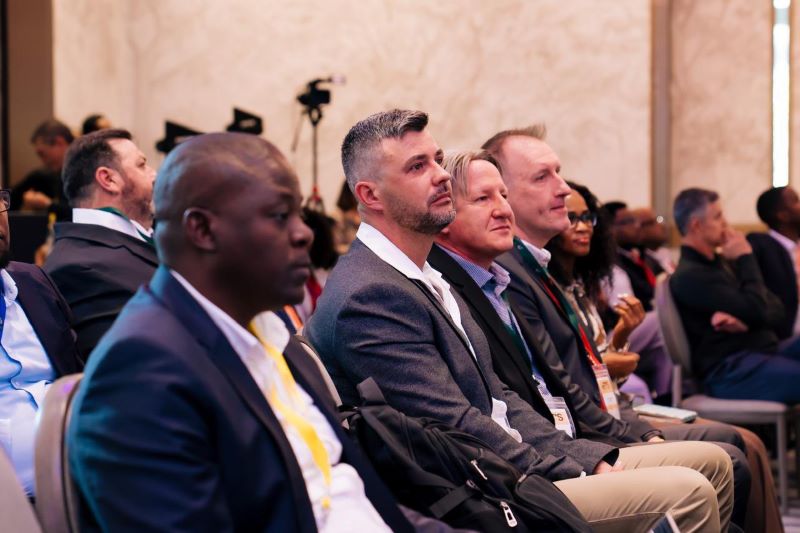
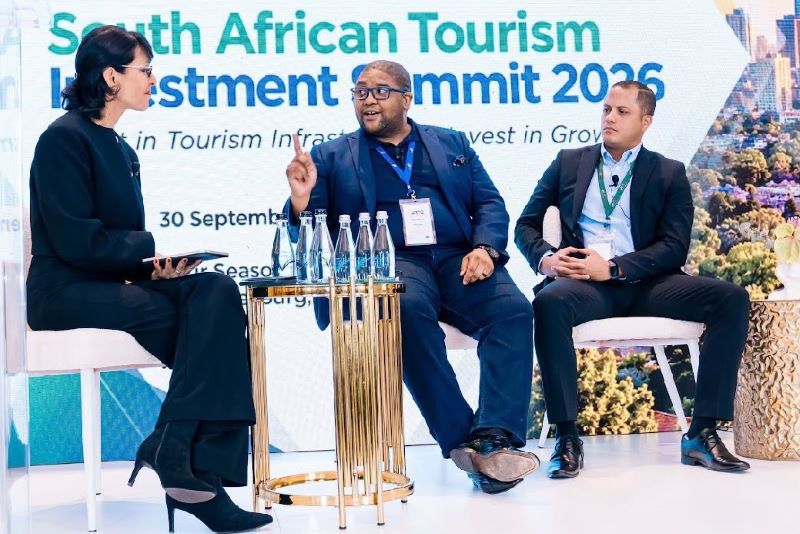
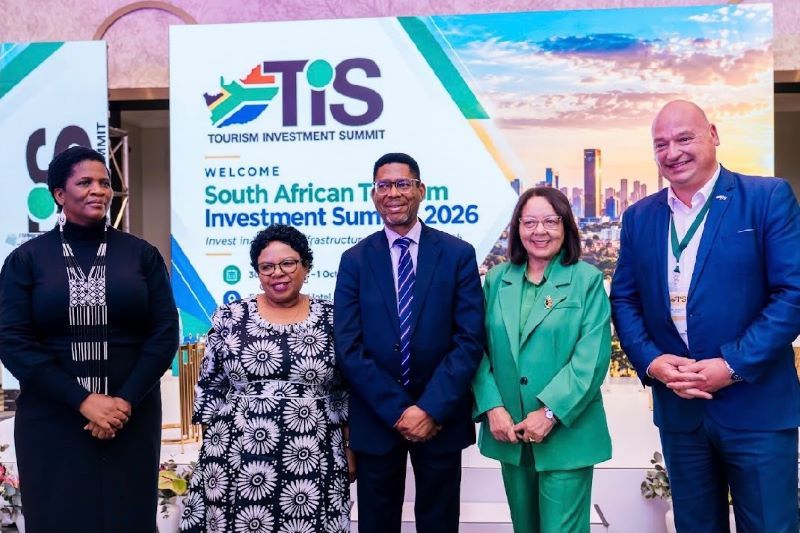
Johannesburg — The second South African Tourism Infrastructure Investment Summit (SATIS) 2026 concluded on Thursday in Johannesburg, bringing together global leaders, policymakers, and investors to drive capital into the country’s tourism infrastructure.
Hosted by Tourism Minister Patricia de Lille, the summit aimed to position South Africa as a premier destination for tourism investment by showcasing a pipeline of 15 bankable projects valued at R3.5 billion.
“This Summit takes place at an important moment for tourism, because globally and domestically there is growing recognition that tourism must be viewed as an economic sector with significant capacity to generate investment and create jobs on a scale,” Minister De Lille said.
A Strategic Economic Priority
The summit’s timing aligns with a significant shift in national economic policy. In August, President Cyril Ramaphosa identified tourism alongside mining, infrastructure, and agriculture as one of four key sectors under Phase Three of the Government-Business Partnership. The initiative focuses on accelerating inclusive economic growth, job creation, and market confidence.
Minister De Lille emphasized that sustained investment in tourism infrastructure is critical for strengthening the country’s long-term economic resilience and unlocking inclusive opportunities across the value chain.
Expanding the Project Pipeline
A key highlight of SATIS 2026 was the expansion of the investment pipeline. While the summit initially highlighted 15 projects worth R3.5 billion, North West Provincial MEC for Economic Development, Conservation, Environment and Tourism, Bitsa Lenkopane, submitted an additional 11 tourism projects valued at R1.2 billion.
These new opportunities, which span accommodation, attractions, and heritage sites, will undergo a screening process before being added to the official investment booklet. The North West’s inclusion underscores a broader national effort to empower communities, grow local economies, and strengthen South Africa’s competitiveness in the global tourism market.
Record Arrivals and Improved Access
The push for infrastructure investment is supported by robust growth in visitor numbers. Statistics South Africa (Stats SA) recently announced that South Africa welcomed over 1 million international tourists in August 2026. According to UN Tourism, South Africa is currently among the top 20 countries leading tourism growth globally.
Minister De Lille attributed this growth to the Tourism Growth Partnership Plan, which focuses on five priorities: ease of access, coordinated destination marketing, safety and security, tourism product development, and job creation.
Key initiatives driving this momentum include:
- Electronic Travel Authorisation (ETA): The new digital visa system, launched in August, allows applicants from over 30 countries to apply online with a decision within 24 hours.
- Route Development Marketing Plan: Government has invested R6.5 million into this plan to coordinate route development between national and provincial entities, as well as the private sector.
“Our collaboration with the private sector to grow tourism is yielding positive results,” Minister De Lille said. “Initiatives such as the launch of the Electronic Travel Authorisation (ETA) digital visa system and government’s R6.5 million investment in implementing the Tourism Route Development Marketing Plan strengthened national coordination… [and] will go a long way in boosting confidence in South Africa as a tourism destination and an investment market.”
Investment Beyond Assets
Speaking at the summit, Juan Gómez García, Senior Investment Specialist at UN Tourism, emphasized that infrastructure development must go beyond physical assets.
“Tourism Infrastructure investments must go beyond assets and empower communities by creating economic opportunities,” Gómez García said. “Bankable tourism investments rely on bankable destinations. Leveraging tourism demand creates a positive environment for investment and a broader pipeline of investable projects.”
For more information on SATIS 2026 and the full list of tourism investment projects, visit www.tourism.gov.za.