
Can Tourism Rescue the Ugandan Shilling? UTB’s Brand Specialist Ponders
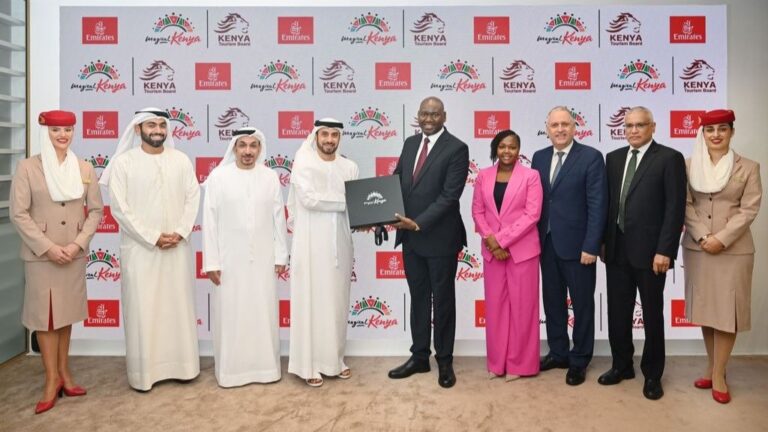
At the recently concluded Magical Kenya Travel Expo 2026, a quiet but urgent question echoed through the mind of a concerned citizen: “Can tourism help stabilise Uganda’s struggling shilling?”
Susan Kyomukama (ACIM, DipM, MBA), a strategist whose work spans destination marketing, brand management, and trade found herself turning over that one puzzle in her mind. Her answer, offered in reflection rather than as a headline, is that tourism is not merely an industry. It is an export industry, and Uganda is sitting on one of its most untapped economic levers.
The Foreign Exchange Equation
The economics are straightforward, if uncomfortable. Uganda spends heavily on imports while its export base remains narrow. The result? Persistent pressure on the shilling. Economists have long called for diversification. Susan’s prescription is one we already hold in our hands: international visitors spend foreign currency—on accommodation, transport, food, tours, cultural experiences, and local products. Every dollar or euro that enters the country through tourism is a dollar that does not need to be earned through coffee or cotton.
AFCON 2027: A Moment, Not a Milestone
Uganda is co-hosting AFCON 2027 alongside Kenya and Tanzania. This is more than a football tournament; it is a global spotlight that will shine on Kampala, Entebbe, and beyond for six weeks. But as Susan warns, visibility does not automatically translate into revenue. The real test lies in converting football fans, journalists, teams, and officials into tourists who explore gorilla trekking in Bwindi, boat safaris on the Nile, or the vibrant MICE (Meetings, Incentives, Conferences, and Exhibitions) sector before the whistle blows.
What Must Change
Susan outlines five interventions that could transform AFCON’s momentum into lasting economic impact:
- Aggressive destination marketing — Uganda must be visible before the tournament, not just during it.
- Stronger tourism product development — Beyond gorillas, what experiences can Uganda offer?
- Strategic infrastructure investment — Roads, airports, and hospitality capacity must keep pace with demand.
- Tourism-linked trade and investment promotion — Turn footfall into partnerships.
- Domestic and regional tourism — Build a resilient base that survives beyond global events.
The Bigger Picture
Tourism alone cannot fix a currency. Monetary policy, global commodity prices, and capital flows all play decisive roles. But tourism receipts can strengthen foreign exchange inflows, create jobs, support local businesses, and send a signal of economic resilience to investors.
The question Susan leaves us with is one every African tourism professional should ask: Are we fully leveraging tourism as an economic driver? The answer, for Uganda, may determine whether AFCON 2027 becomes a footnote—or a turning point.
Susan Kyomukama (ACIM, DipM, MBA) is a Brand Specialist at the Uganda Tourism Board, focusing on destination marketing and tourism as an export industry.