
Festival Mawazine 2026: The Rhythms of the World Return — Bigger, Bolder, More Accessible Than Ever
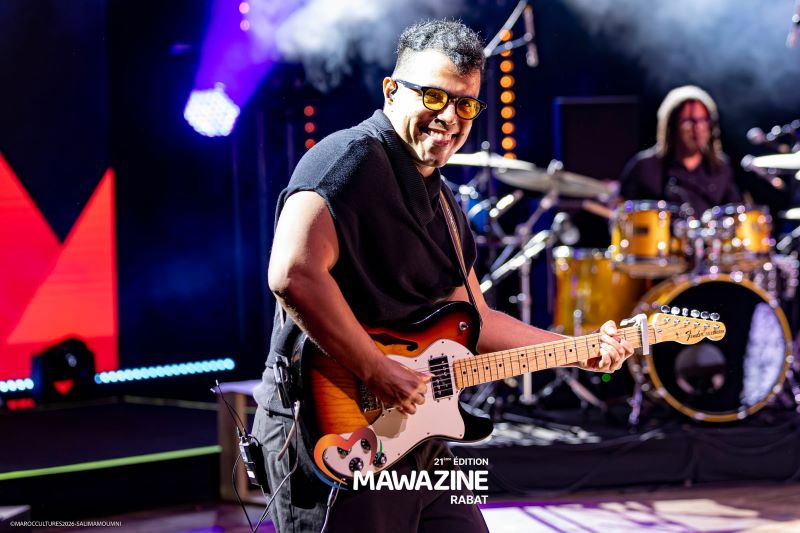
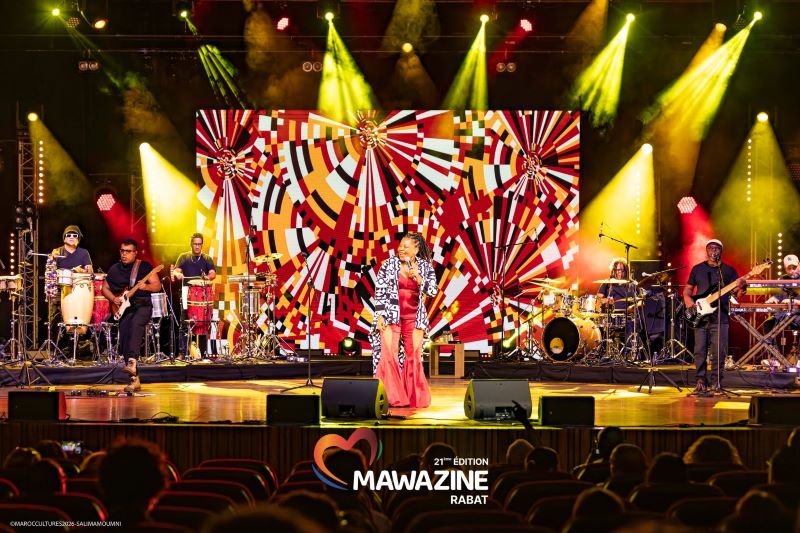
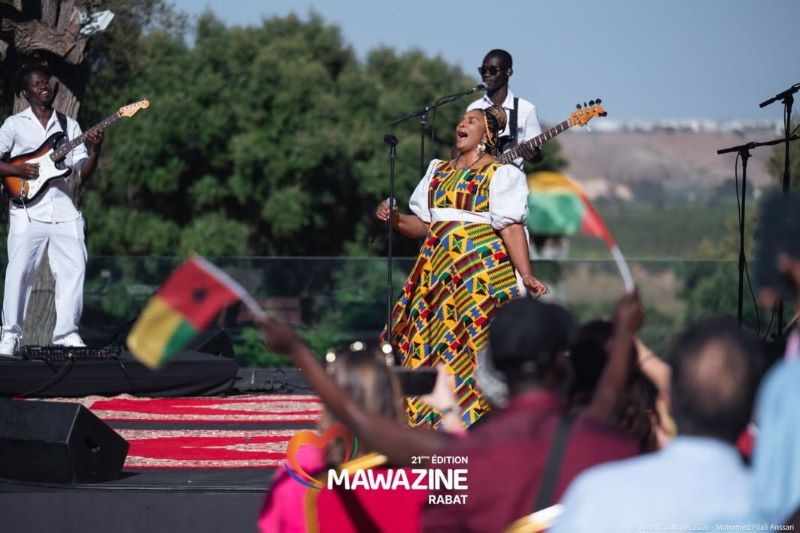
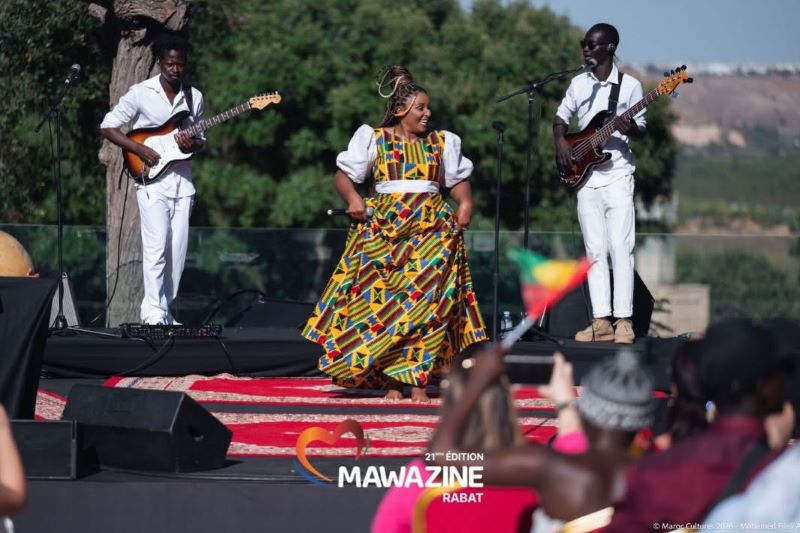
After a multi-year hiatus, Festival Mawazine roared back to Rabat in June 2026 — not just as a comeback, but as a record-breaking cultural tsunami. With 3.6 million attendees, new iconic stages, and a lineup spanning K-Pop to Afrobeat, the 21st edition cemented its status as the world’s most accessible mega-festival.
Located at the mouth of the Bou Regreg River on the Atlantic Coast, Rabat is a laid-back, easygoing city by Moroccan standards. Although the seventh-largest city in the country, Rabat — literally “Fortified City” — is the national capital and one of Morocco’s four imperial cities. It is also the stage for Festival Mawazine, one of the Arab world’s most famous music festivals — and now, indisputably, one of the planet’s most massive cultural events.
Origin: From World Music to Global Superstar Stage
Festival Mawazine (meaning “Rhythms of the World” in Arabic) is organized by Maroc Cultures, a cultural foundation initiated in 2001. The first edition kicked off in May 2002. Since that inaugural event, the festival grew exponentially, at its peak attracting over 2.5 million attendees and becoming one of the world’s largest music festivals.
Targeted mainly at youth, the aim of Festival Mawazine was to promote the values of tolerance while creating friendly dialogue between people of diverse cultures through music. The festival witnessed two distinct eras since its inception. In its first period, Festival Mawazine was dedicated primarily to World Music, but it faced financial challenges and struggled to find consistent sponsorship.
The Transformation: Mainstream, Mega-Stages, and Global Icons
The second period of Festival Mawazine began with the 2008 edition. After the 2007 event, King Mohammed VI appointed Mounir Majidi as president of Maroc Cultures, tasking him with overseeing the festival. From then on, the festival expanded its sonic palette to feature mainstream global pop, hip-hop, and R&B, attracting international music talent from across the globe.
The festival typically ran for nine days in May or June, taking place on multiple stages across Rabat, including both paid ticketed concerts and free public performances. This format made world-class entertainment accessible to all audiences, contributing to its massive popularity.
Star-Studded Lineup
Over the years, Festival Mawazine has been graced by an impressive roster of international stars from the Arab world and beyond, including: Stevie Wonder, Rihanna, Jennifer Lopez, Shakira, Maroon 5, Bruno Mars, Christina Aguilera, Pharrell Williams, Enrique Iglesias, Pitbull, Justin Timberlake, Alicia Keys, Rod Stewart, Elton John, Lionel Richie, Sting, Lenny Kravitz, Angélique Kidjo, Salif Keita, and Youssou N’Dour, among many others.
The Hiatus and the Record-Breaking Return
The 2019 edition marked a significant milestone as the festival’s 18th edition. However, the festival faced unprecedented challenges beginning in 2020 when the COVID-19 pandemic forced its cancellation. The subsequent years saw repeated suspensions due to shifting public health guidelines and economic constraints, leaving Rabat’s stages silent for a long hiatus. But the rhythm has finally returned — and it returned with a bang.
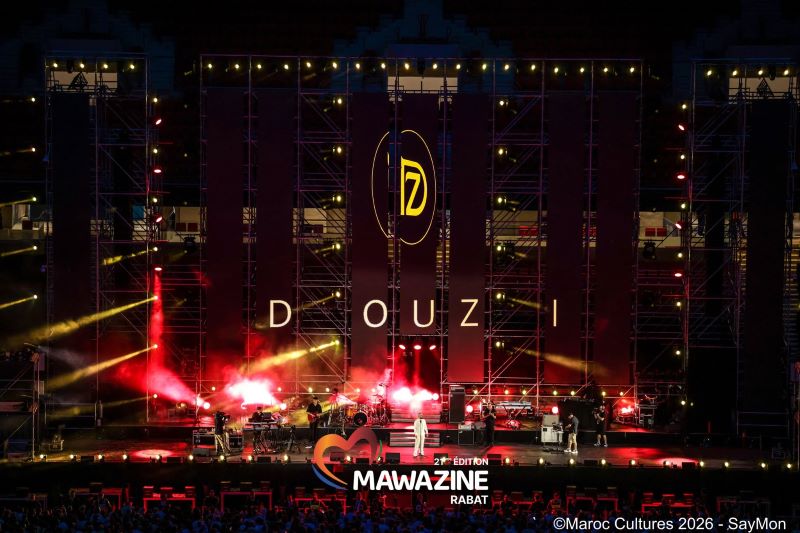
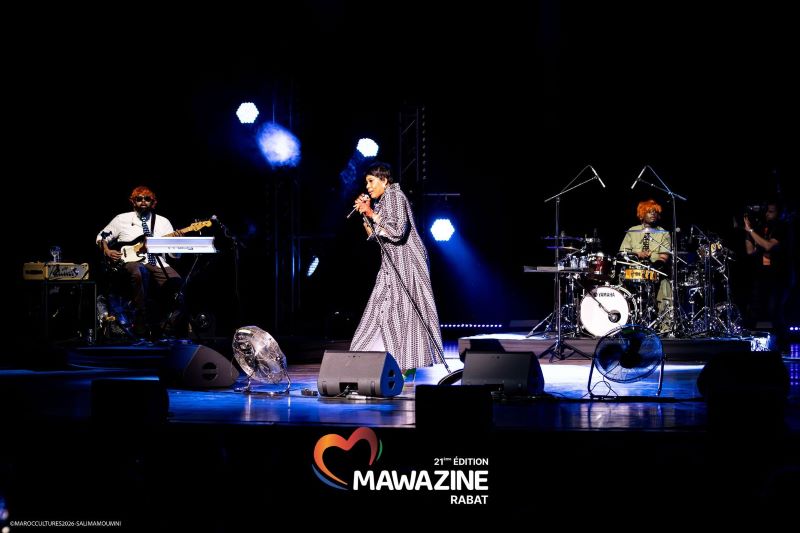
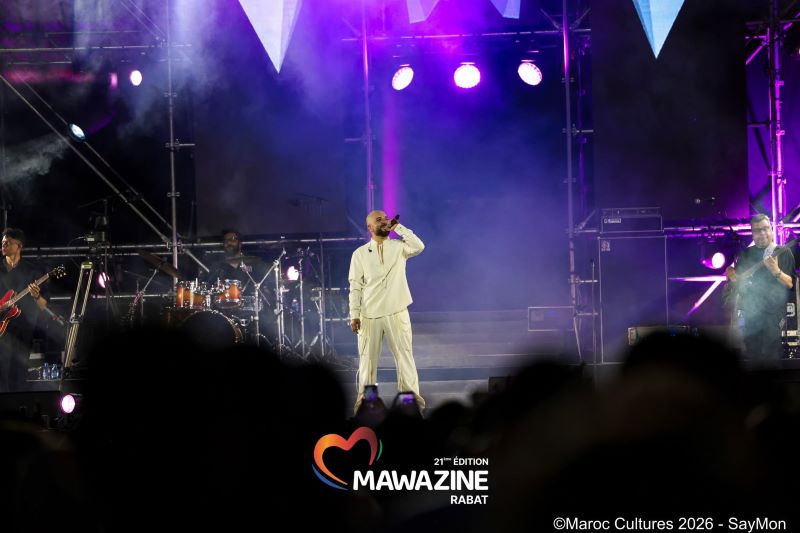
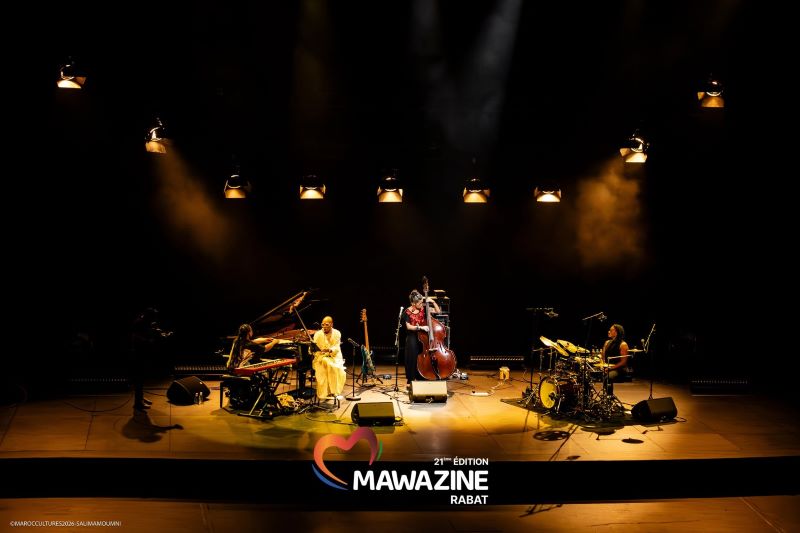
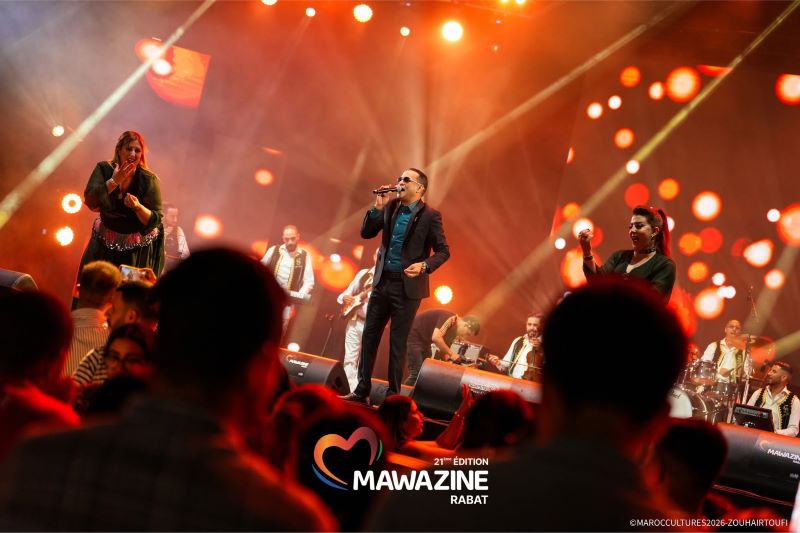
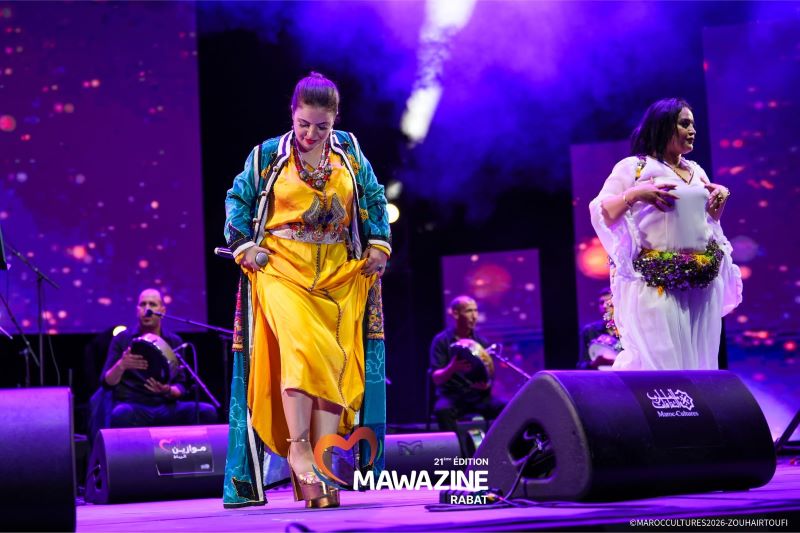
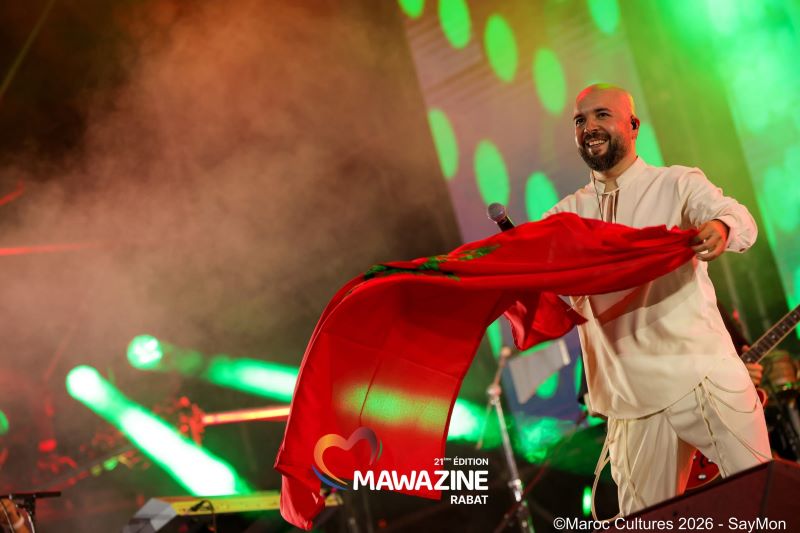
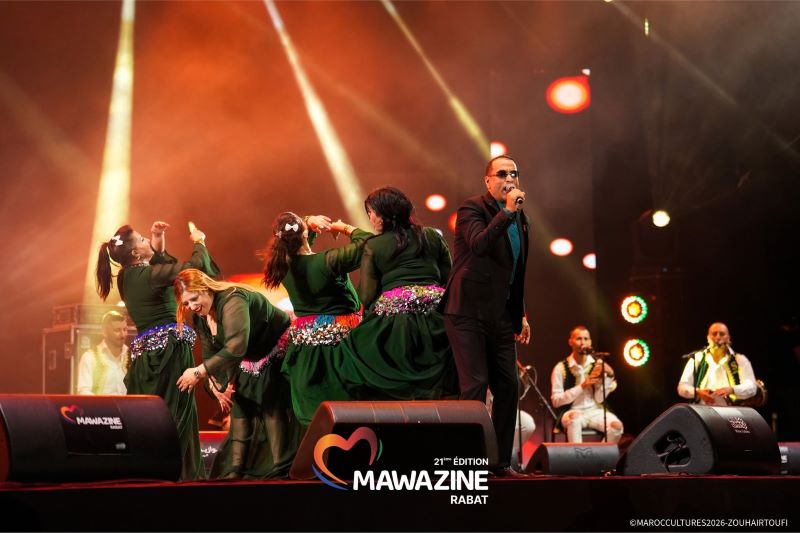
In a celebration of resilience and culture, Festival Mawazine officially made its comeback in June 2026, ending its multi-year absence. The 21st edition, running from June 19 to 27, delivered a historic performance: according to an official statement from the organizing body, Maroc Cultures, the festival attracted approximately 3.6 million visitors across Rabat and its twin city, Salé.
This staggering attendance not only shattered previous records but also confirmed Mawazine’s place among the largest music festivals in the world. The Maroc Cultures association noted that the 2026 edition was characterized by unprecedented audience turnout, with every platform packed to capacity, reflecting the deep public appetite for the event.
New Stages, New Horizons
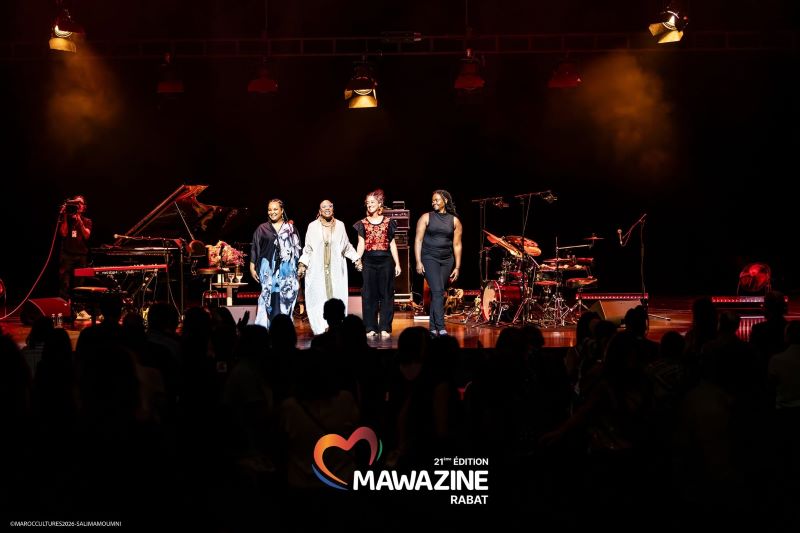
One of the most defining features of the 2026 edition was the introduction of new, iconic venues. For the first time, the festival expanded its footprint to include the Royal Theater in Rabat and the Prince Moulay Abdellah Stadium.
The inclusion of the stadium — a massive, state-of-the-art arena — represented a true turning point for the festival, opening a new chapter for major international cultural events in Morocco. These symbolic spaces demonstrated Maroc Cultures’ commitment to aligning with the nation’s evolving infrastructure, allowing Mawazine to host even larger-scale, world-class productions.
The closing night at the Royal Theater was headlined by Egyptian superstar Tamer Hosny, whose nostalgic set delivered a powerful, emotional finale to the week-long celebrations. His performance was met with overwhelming crowd reactions that far exceeded expectations, perfectly capping off an edition defined by its massive scale and cultural resonance.
What to Expect Next
The success of the 2026 edition — bolstered by strong national and international media coverage and growing digital engagement — has firmly re-established Mawazine as a premier cultural ambassador for Morocco. By staying true to its identity as a grassroots, widely accessible event — with the vast majority of its concerts remaining free — Mawazine continues to fulfill its mission of promoting cultural diversity and cross-cultural dialogue.
As Rabat and Salé transform into one of the world’s great music capitals every June, the 21st edition of Festival Mawazine proved that the wait was worth it. The Rhythms of the World are back, louder and more vibrant than ever.
For the most current information about Festival Mawazine and any potential future editions, visitors should check the official Maroc Cultures website or follow their official social media channels.

















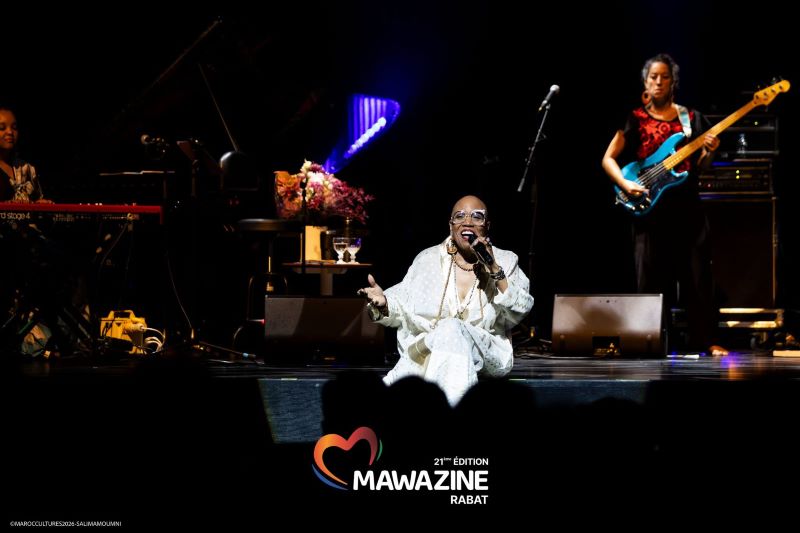
All images from Festival Mawazine