
Kenya’s Tourism Grows 9%, Outpacing Global Average as MKTE 2026 Draws Record Crowds
The 16th Magical Kenya Travel Expo is underway at Nairobi’s Uhuru Gardens with record attendance, over 10,000 pre-scheduled B2B meetings, and a pointed challenge from Uganda’s tourism minister: stop selling countries, start selling a region.
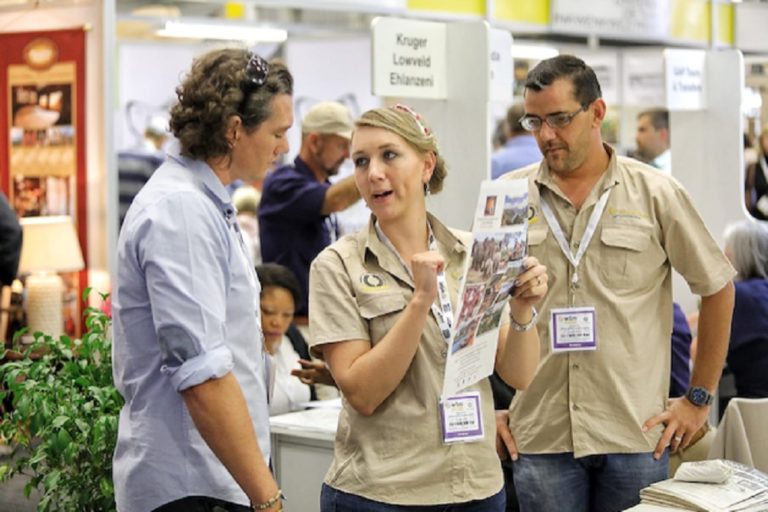
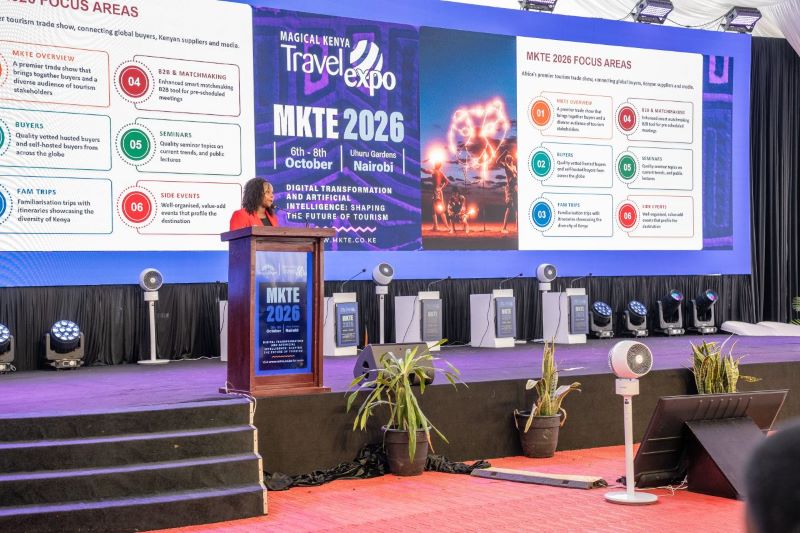
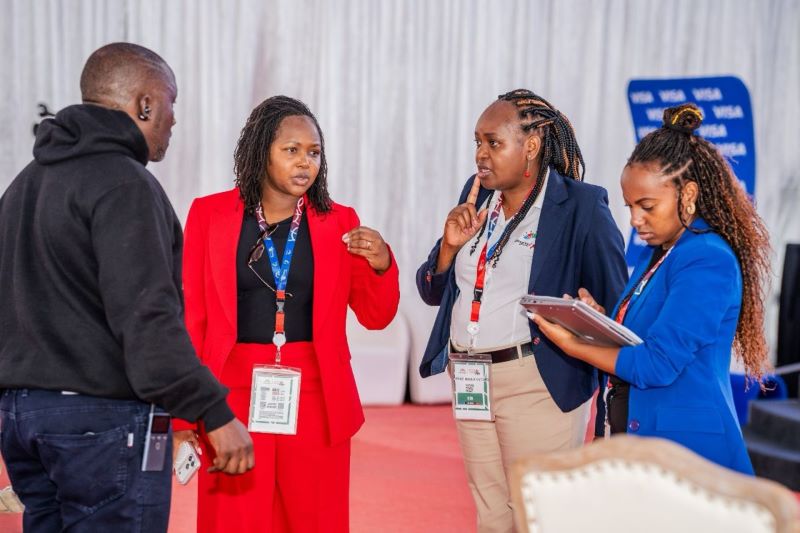
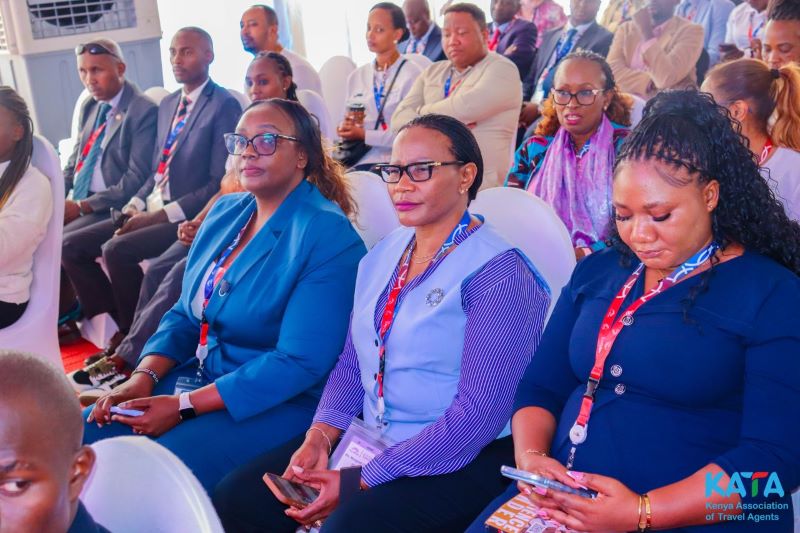
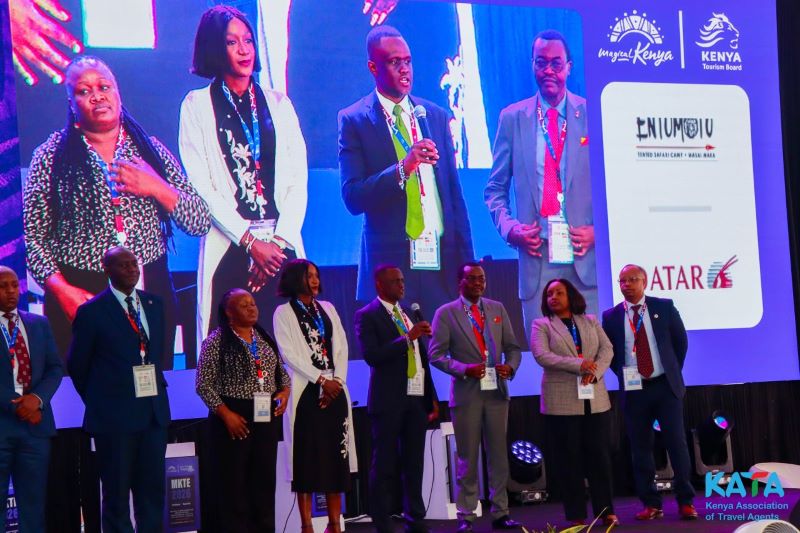
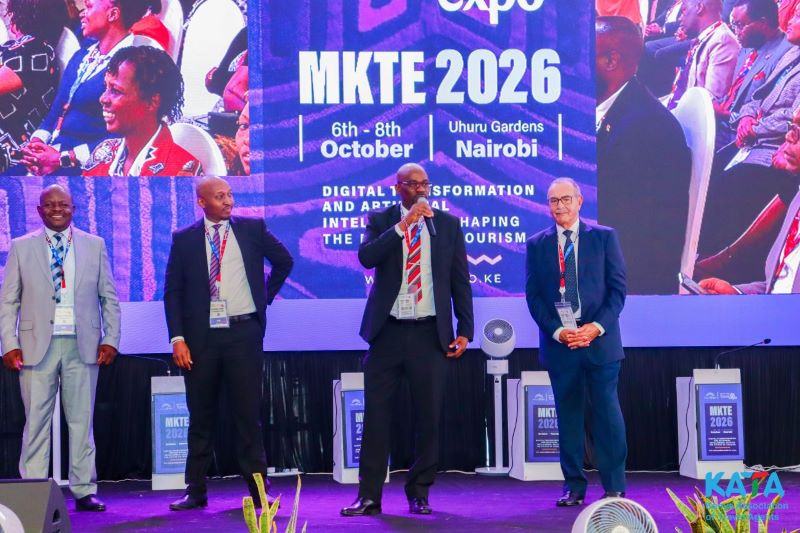
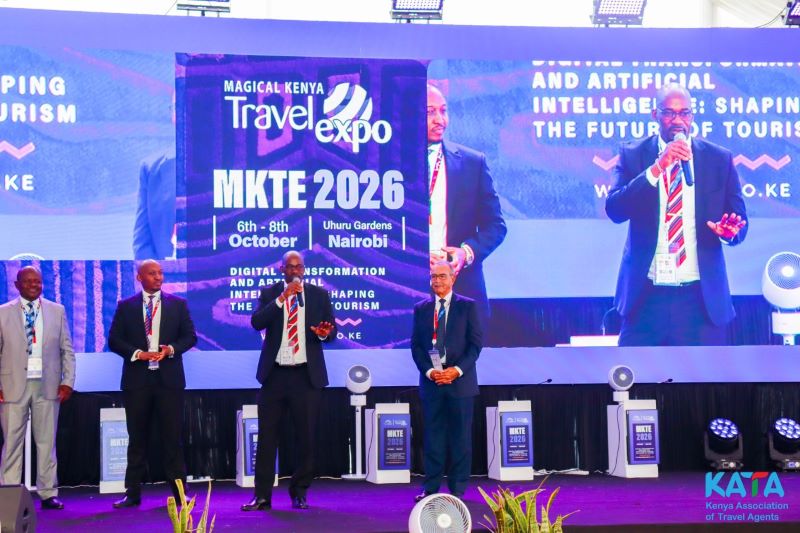
Uhuru Gardens, Nairobi — The 16th edition of the Magical Kenya Travel Expo (MKTE 2026), which kicked off on Tuesday, 6 October had the official Opening Ceremony yesterday 7 October under the theme “Digital Transformation and Artificial Intelligence: Shaping the Future of Tourism,” Taking place at the Uhuru Gardens National Monument and Museum in Nairobi, the ongoing 3-day event is drawing more than 10,000 delegates, over 430 exhibitors, and participants from more than 40 countries — making it the largest gathering in the expo’s 16-year history.
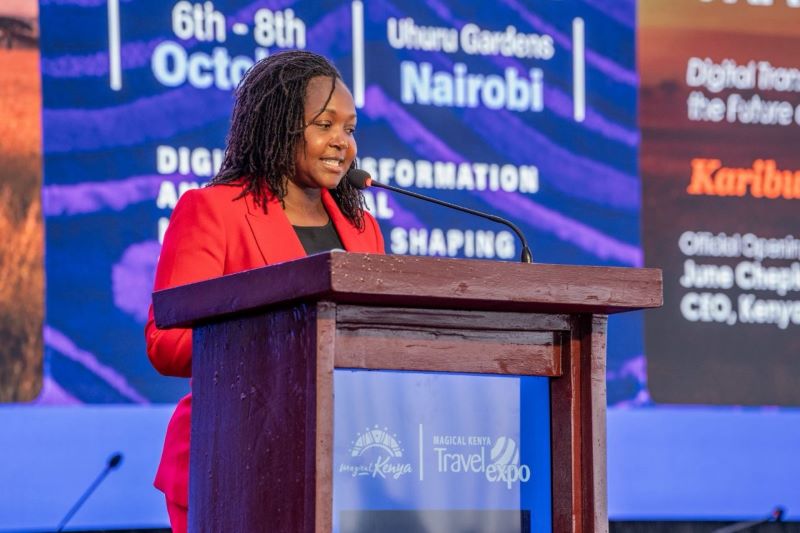
Kenya Tourism Board CEO June Chepkemei announced the headline figure during yesterday’s opening ceremony: Kenya’s tourism sector is expanding at 9% annually, outpacing both the global average of 4% and the broader African continent’s 8%.
“The world is here. Kenya is ready. Let’s do business,” Chepkemei said.
The Numbers Behind the Momentum
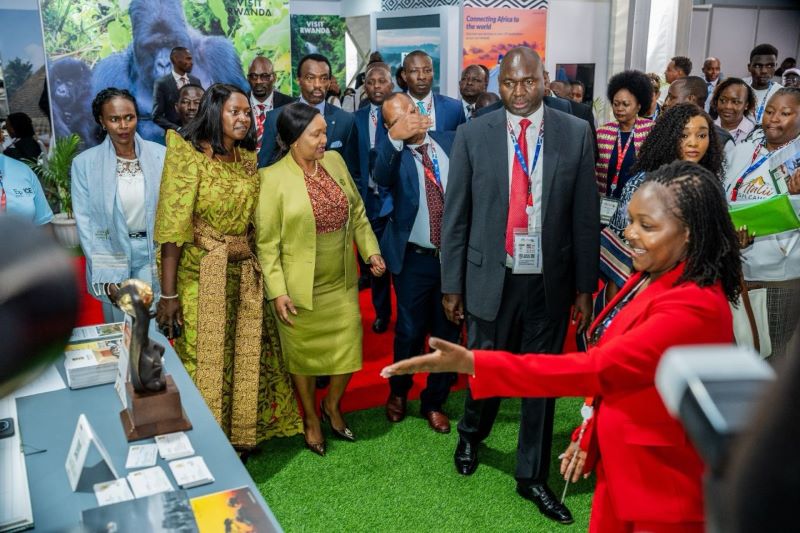
Beyond the growth rate, MKTE 2026 is delivering scale that organizers say signals a shift in how the industry approaches trade. Over 10,000 pre-scheduled B2B meetings are designed to convert conversations into contracts. More than 250 vetted hosted buyers are exploring itineraries spanning Kenya’s Central Highlands, Northern frontier, coastal reserves, and wildlife sanctuaries.
For the first time, academia is woven directly into the expo’s programming. “We integrated academia in Magical Kenya Travel Expo because we did realize that the conversation needs to be shaped both from the academia and the private sector,” Chepkemei explained, pointing to seminars on AI, data governance, crisis preparedness, and the creative economy as evidence that Kenya intends to define — not merely follow — tourism’s next chapter.
A Minister’s Challenge: Sell the Region, Not the Border
If the numbers set the stage, it was Uganda’s State Minister for Tourism, Wildlife and Antiquities, Susan Nakawuki, who delivered a moment that lingered long in the room.
Nakawuki noted pointedly that Kenyan travel agents are outperforming Ugandan tour operators in selling gorilla trekking experiences — a product Uganda owns. But rather than frame it as rivalry, she turned it into an argument for integration.
“We need to sell a borderless East Africa,” Nakawuki said, warning that tourists currently leave the region carrying home only 40–50% of what they arrive with, while the rest leaks out through fragmented packaging and poor connectivity. Her prescription: deeper air and road links between Kenya and Uganda so visitors stay longer, move more freely, and spend across multiple destinations rather than one.
She also thanked Kenya’s private sector, including the Kenya Association of Travel Agents (KATA), for actively promoting Uganda as part of their portfolio — a gesture KATA described as proof that “the market does not have to stop at the border.”
“That Is Not a Technology Question. It Is a Policy One”
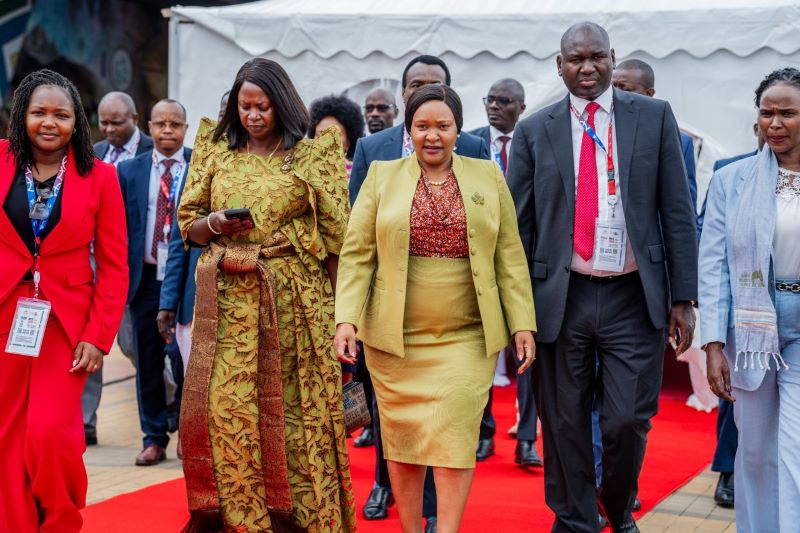
Cabinet Secretary for Tourism and Wildlife Rebecca Miano (EGH), who led the official opening ceremony alongside Principal Secretaries Amb. (Prof.) Julius Bitok and Silvia Museiya, framed the expo’s AI focus in deliberately political terms.
“The next competitive advantage belongs to destinations that harness technology to understand travellers better, reach markets faster, craft smarter experiences, and manage destinations more sustainably,” Miano told delegates. “Thankfully, Kenya is ready for this conversation.”
But she cautioned against treating artificial intelligence as a neutral force. AI and data, she argued, are simply tools — and the real question is whether they democratize opportunity or concentrate it. Whether the small tour operator in a county town has the same access as the large international company, she said, “is not a technology question. It is a policy one.”
Miano also observed that “the traveller of today bears no resemblance with travellers of yesteryears,” calling on the industry to evolve its sales models accordingly.
Museiya added a conservation note, reminding the room that technological ambition must still protect the raw product: Kenya’s wildlife, “both in the beach and in the bush.”
“Sustainable conservation and tourism are most powerful when grassroots communities are fully integrated and experience the benefits firsthand. With the remarkable growth we are witnessing today, we are building a more inclusive, community-centred future for Kenya’s wildlife and tourism heritage!” she said.
What Comes Next
Chepkemei left attendees with a single question to carry through the expo’s remaining programme: What can we do differently and better to make Kenya — and Africa — more competitive in this next era of tourism?











For an industry that has already logged 10,000 meetings in a single day, the answer will likely begin to take shape in signed contracts over the next two days. But the harder answer, the one Miano and Nakawuki gestured toward, lives somewhere between a server farm and a border post — in the unglamorous work of policy, infrastructure, and regional trust.