Tech, Tourism & Inclusion: De Lille Launches Digital Agenda at WTD 2026 Event in Limpopo
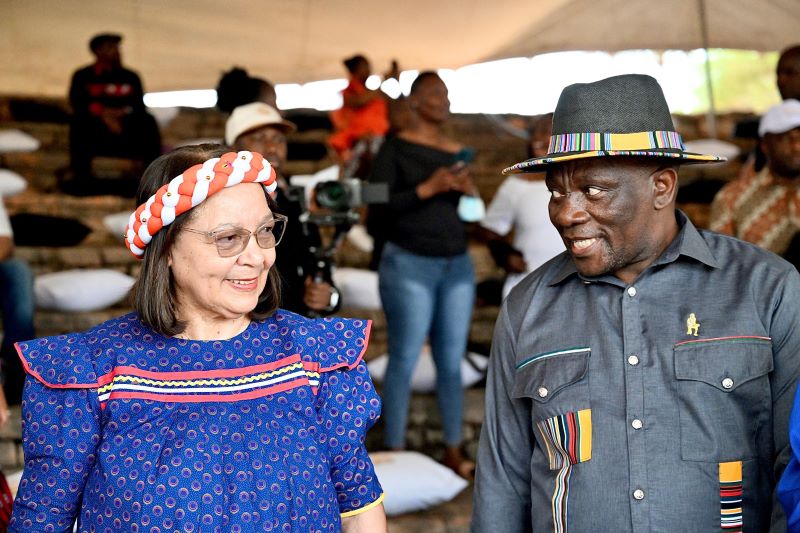
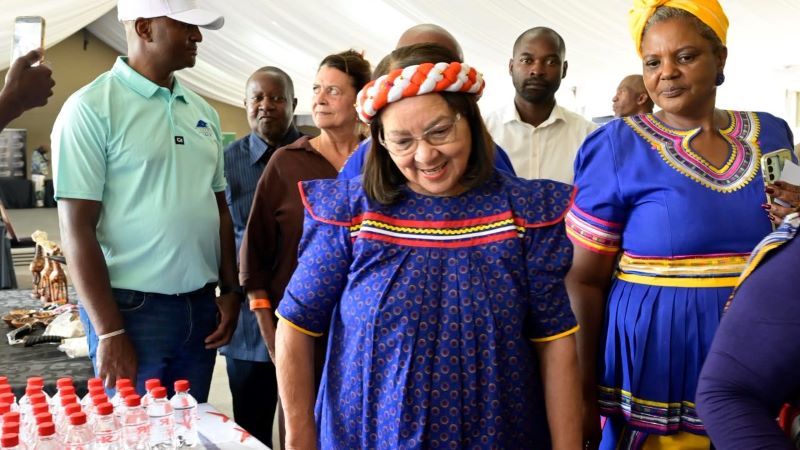
Legend Golf & Safari Resort, Waterberg District, Limpopo — Patricia de Lille, South Africa’s Minister of Tourism, declared tourism a formal pillar of national economic policy at this year’s World Tourism Day celebration, outlining a strategy to turn the country’s record 10.5 million international arrivals into tangible investment and jobs through digital innovation and artificial intelligence.
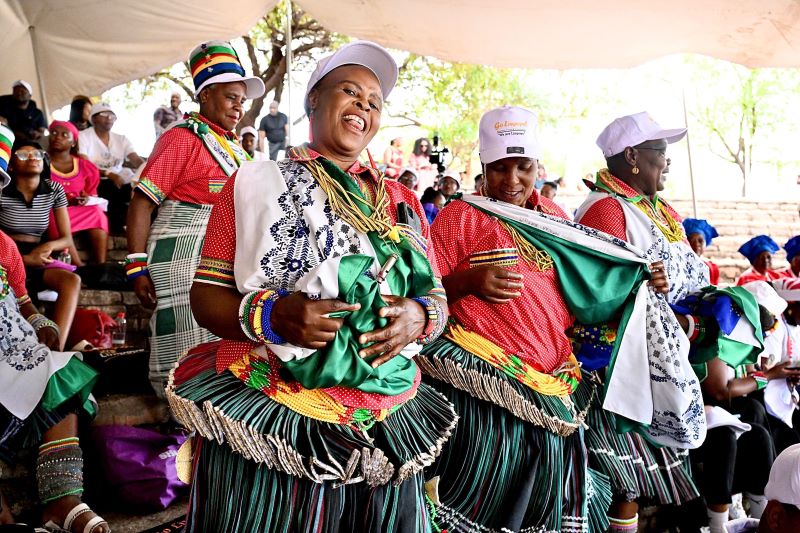
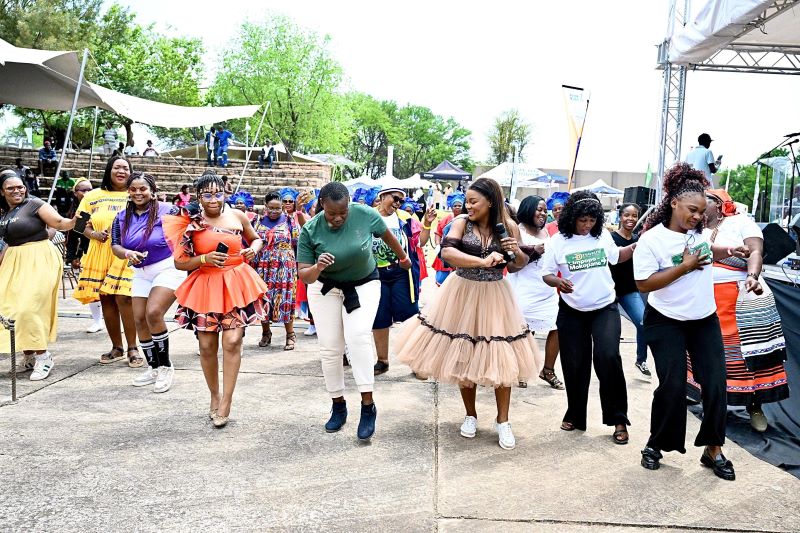
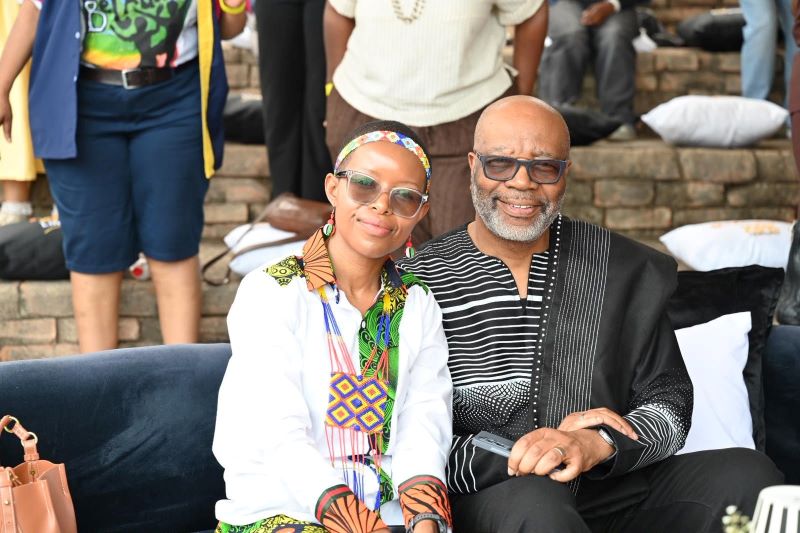
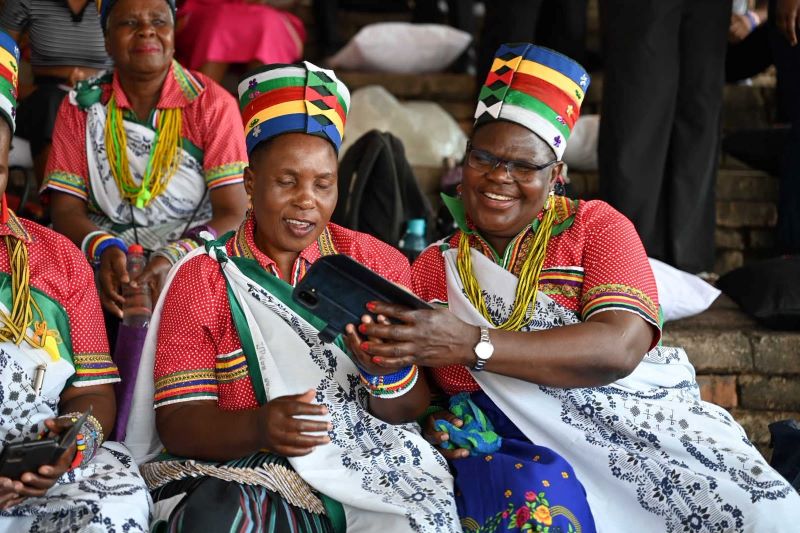
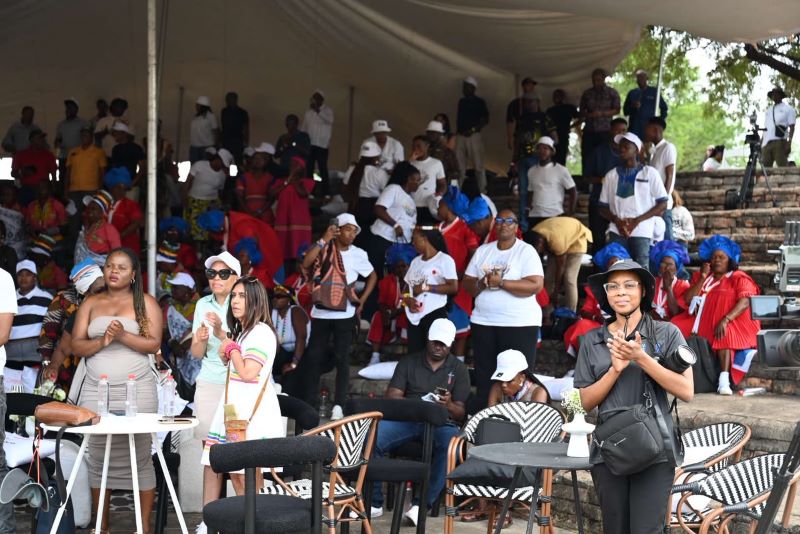
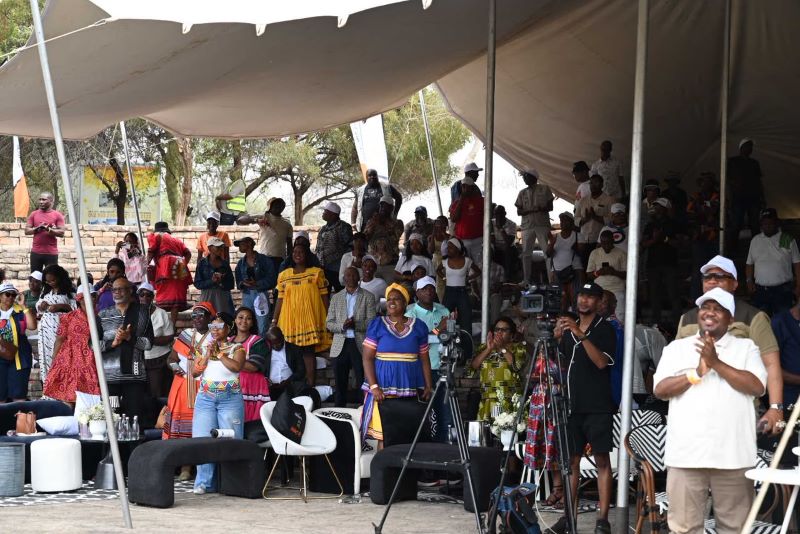
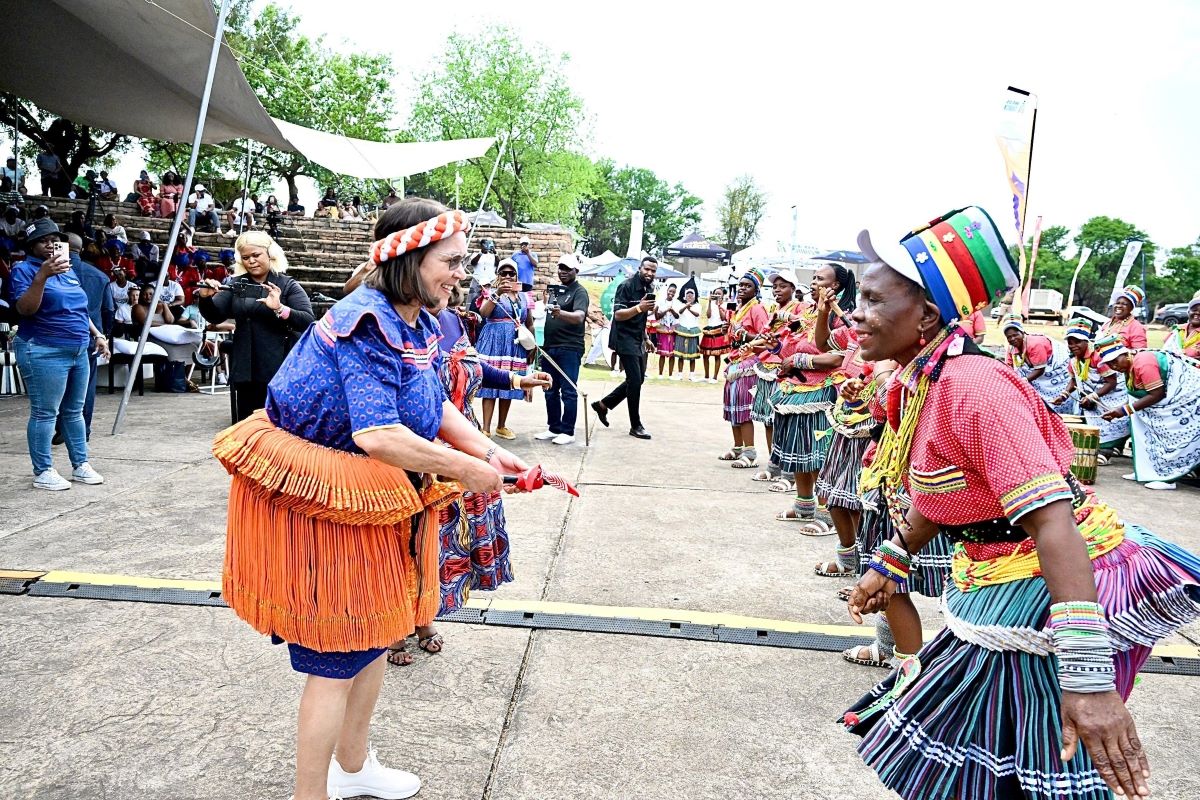
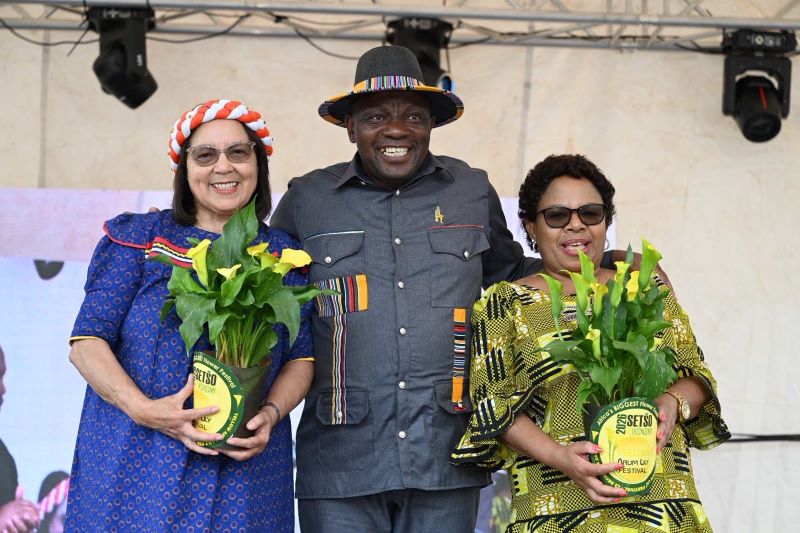
The event, hosted at Legend Golf & Safari Resort in the Waterberg under the theme Growing South Africa’s Tourism Sector in the Digital Era, closed out Tourism Month with an appeal to government, industry, provinces, municipalities and communities to work as a single partnership.
A Province Chosen to Make the Point
Limpopo was not a neutral backdrop. The Waterberg, Mapungubwe and Kruger National Park were showcased as evidence that the province bundles wildlife, heritage, culture, food, rural experience and adventure into one proposition — and that South Africa’s tourism story extends well beyond its traditional gateways.
The venue itself made the argument: the Extreme 19th hole at Legend Golf & Safari Resort, perched on Hanglip Mountain and reachable only by helicopter, was presented as one of the world’s most extraordinary golfing experiences.
The Numbers Behind the Confidence
De Lille built her case on hard data. South Africa recorded 10.5 million international arrivals in 2025, and welcomed 6.5 million international visitors between January and July 2026 — a 12.4% increase year-on-year. Domestic tourism, she stressed, remains a major pillar rather than a fallback. Domestic expenditure reached R111.6 billion in the first half of 2026, while domestic overnight trips rose 4.1% to 21.2 million.
“Beyond Beautiful Images”
The minister’s central contention was that visibility is no longer the constraint; conversion is. She said the opportunity now lies in using digital platforms and AI to make South Africa more visible, accessible and competitive, while ensuring rural destinations, townships, small towns and emerging tourism businesses reach audiences at home and abroad.
“Our digital strategy must go beyond promoting beautiful images of South Africa. It must convert interest into travel and return visits,” de Lille said. “Travellers must be able to discover, compare and book South African experiences easily.”
She tied that agenda directly to economic inclusion, singling out smaller operators who lack conventional marketing budgets. “Technology can give a small tourism business in Limpopo access to customers anywhere in the world. Digital transformation must therefore support both tourism growth and economic inclusion,” she said.
Young Innovators Take the Stage
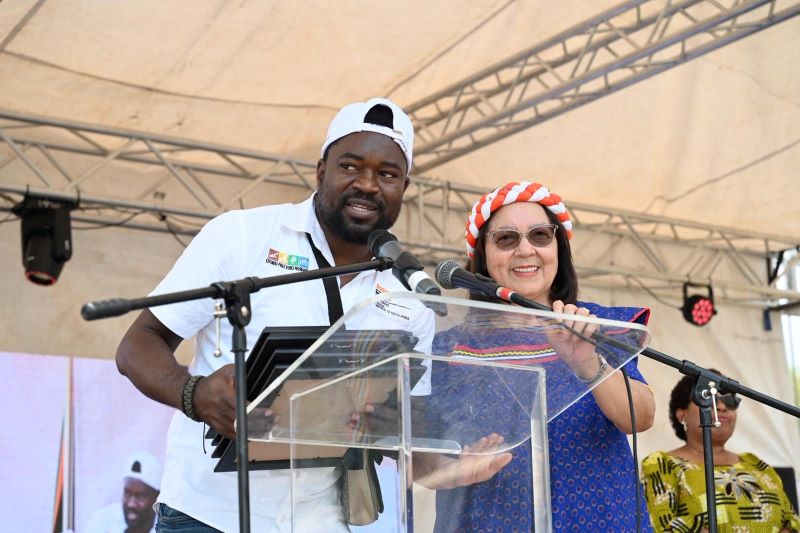
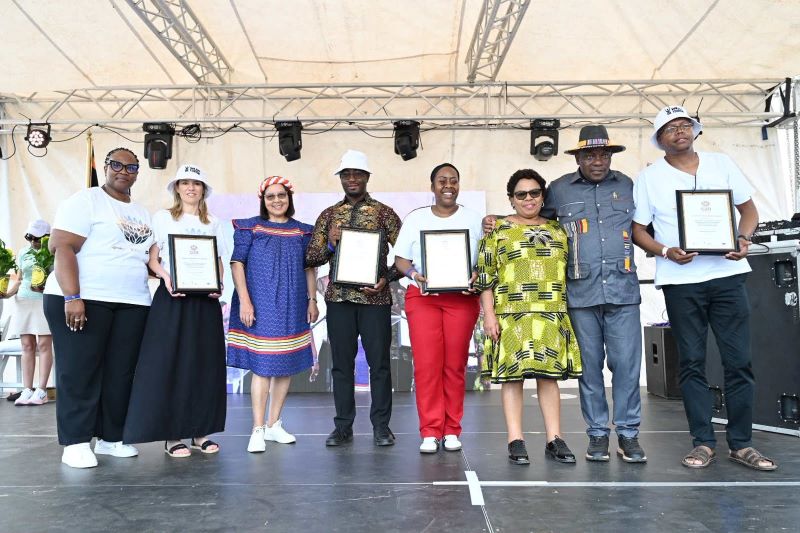
The celebration handed airtime to the Department of Tourism’s G20 Hackathon, where the top three teams presented AI-powered solutions built around real tourism problems. The Catalyst took first place and a cheque for R175,000, followed by Map My Biz with R140,000 and Ubuntu Unlimited with R105,000.
The presentations were framed as proof that young people and emerging technologies can build a more digitally enabled sector — and open entrepreneurship and inclusive participation in the tourism economy along the way.
The Human Caveat
De Lille then narrowed her own thesis. Technology and AI may be reshaping how travellers discover and experience destinations, she said, but tourism remains fundamentally human.
“Technology may help someone discover and book South Africa; it is our people, hospitality and experiences that they will remember,” she said.
“Limpopo Must be Marketed by Limpopo”
Limpopo MEC for Economic Development, Environment and Tourism Dr. Tshitereke Matibe pushed the inclusion argument further, saying digital transformation must give a small rural guesthouse, a young tour operator or a community tourism project the same chance to reach travellers online as a large hotel group.
He pointed to the province’s “We Are Limpopo” digital campaign, which turns residents and visitors into ambassadors. “Limpopo must be marketed by Limpopo and all those who experience it, because our stories are everywhere,” Matibe said.
His challenge to the room was immediate and low-cost: record a favourite Limpopo experience, post it, tag it and share it using #WeAreLimpopo — converting the day’s theme into action before anyone left the resort.
Closing Tourism Month
De Lille concluded that tourism growth depends on partnership between government, industry, provinces, municipalities, communities and businesses. As Tourism Month closes, South Africans are being urged to explore local destinations, support tourism enterprises and share the country’s stories online.
The message from Waterberg, in her words, is that the future of tourism is increasingly digital — but its heart remains human.