Where Heritage Breathes: The New Face of Zimbabwe
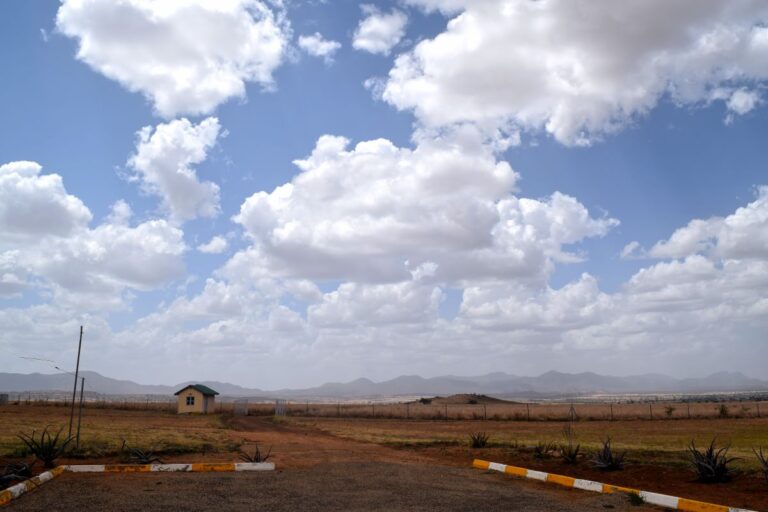
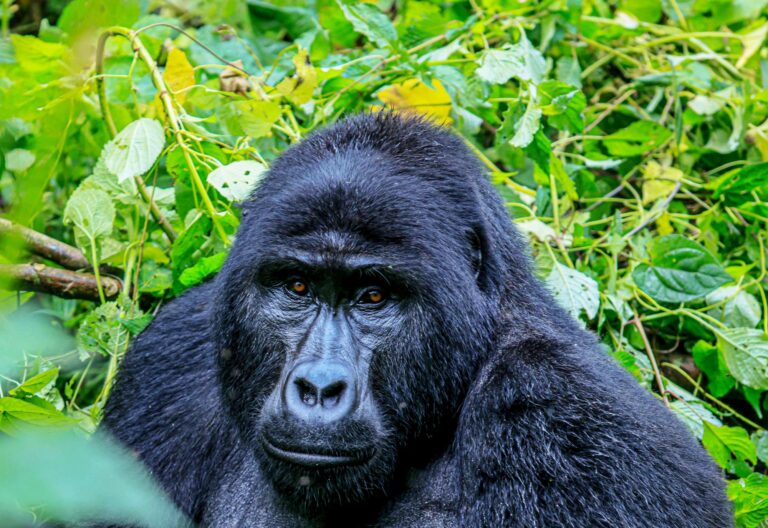
Zimbabwe is widely celebrated for its breathtaking landscapes — Victoria Falls, Hwange National Park, the Eastern Highlands, and the Zambezi Valley. These places have long defined the country’s tourism identity. Yet beneath this familiar story lies another powerful and underused resource: Zimbabwe’s living cultures.
Recent reflections inspired by the Budula Festival in Mahlangleli, Boli (Chiredzi South) make this clear. Zimbabwe is not only a land of extraordinary scenery; it is a nation of diverse, vibrant cultural systems that are alive, evolving, and able to drive sustainable tourism growth.
What if Zimbabwe’s greatest untapped tourism asset is not only its landscapes, but its living cultures?
A living-heritage experience in the Lowveld: the Budula Festival
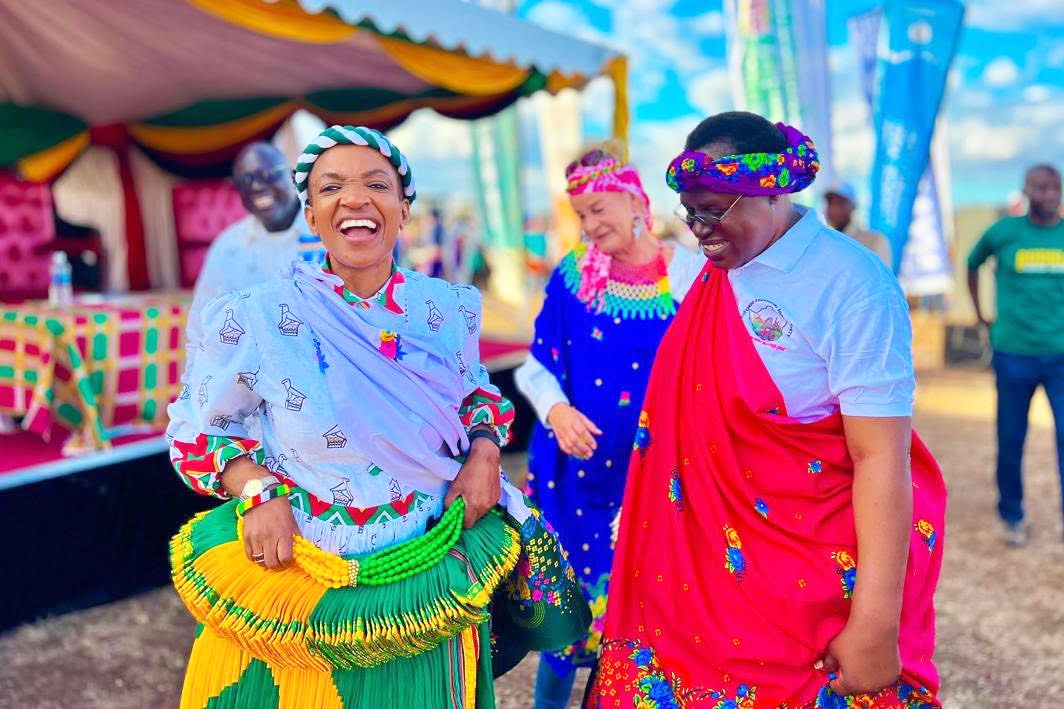
The Budula Festival, framed by the theme “Nhaka Yedu, Ilifa Lethu — Our Heritage, This Is Us,” is a powerful example of culture as a tourism product in motion. Although I did not attend in person, the images and stories from the event highlight Zimbabwe’s cultural-tourism potential.
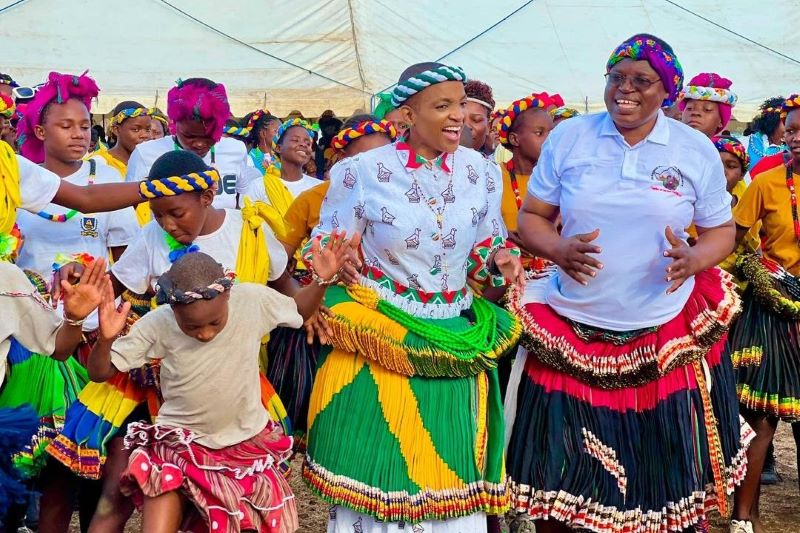
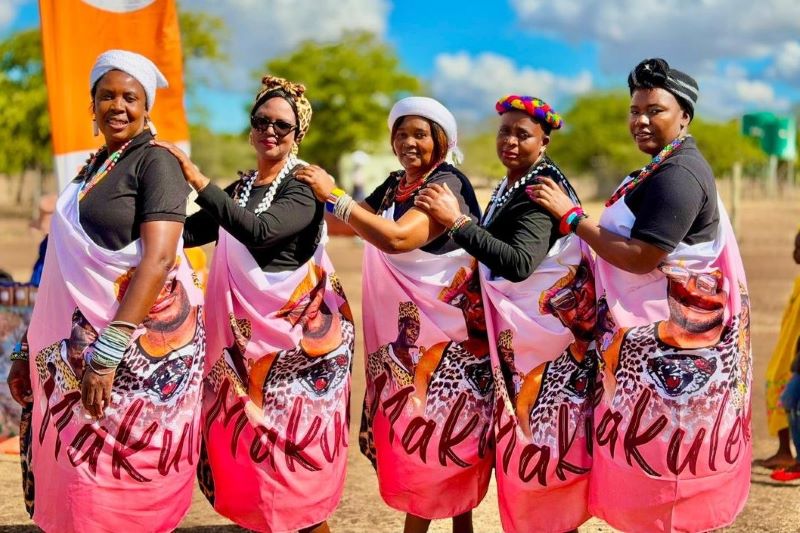
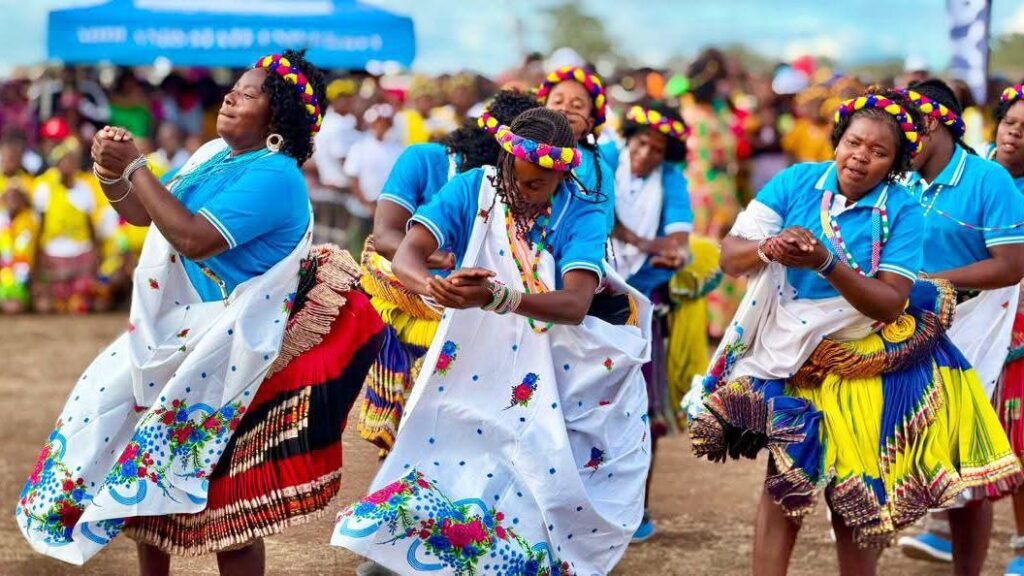
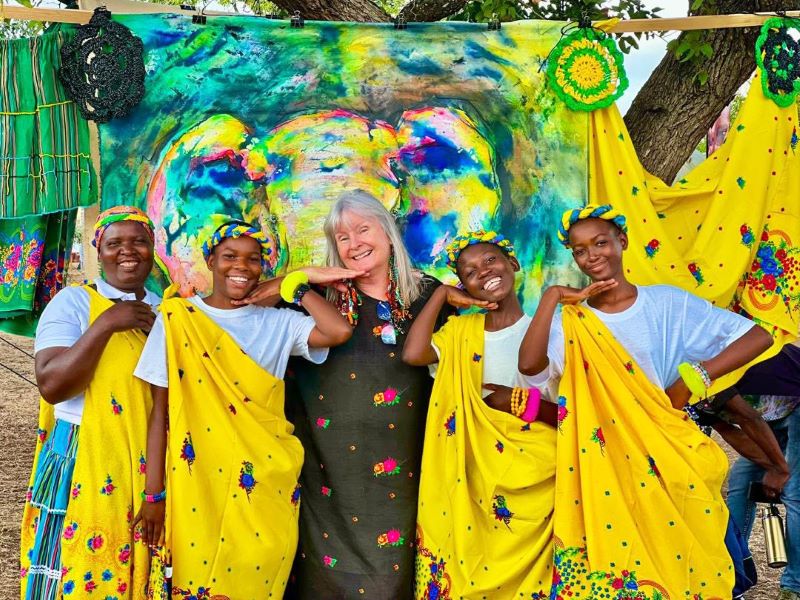
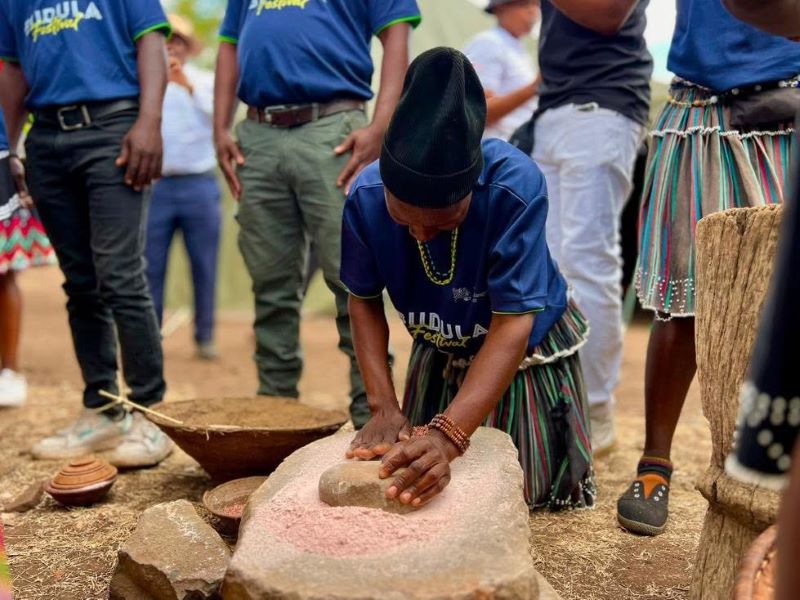
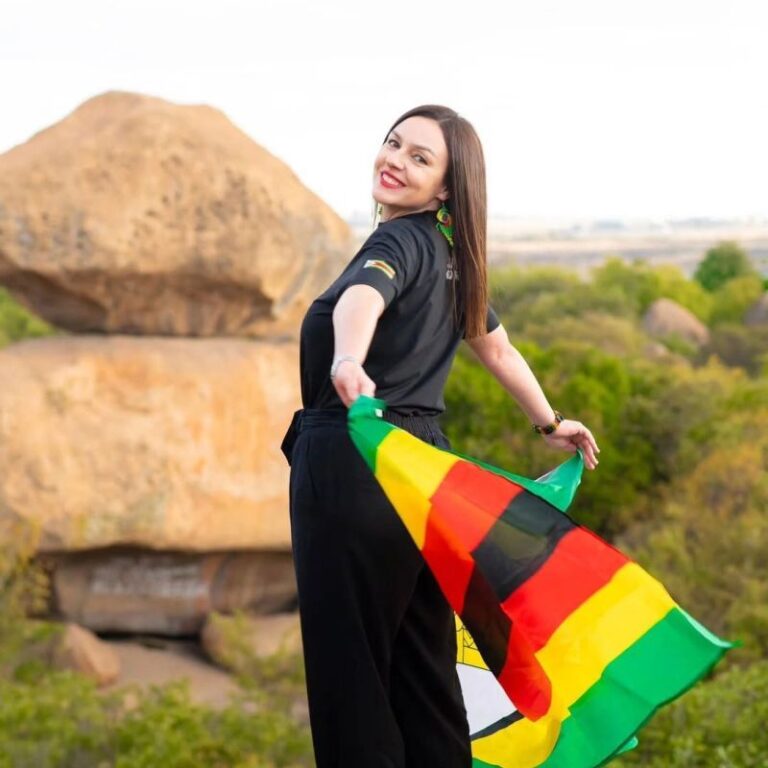
The festival showcased the heritage of the Shangani people through the Xibelani dance, indigenous language, traditional dress, and local gastronomy. What stood out was not performance crafted for tourists, but authentic expression — culture lived and shared with pride.
Budula illustrates a shift in Zimbabwe’s tourism landscape: from passive cultural display to community-owned cultural tourism. With emerging tourism homesteads, local entrepreneurship, and regular cultural performances, festivals like Budula are turning heritage into livelihoods.
Zimbabwe’s cultural mosaic: beyond a single narrative
Zimbabwe is often simplified in tourism branding, yet its cultural landscape is a mosaic of identities, languages, and traditions that offer distinct regional experiences.
- The Shangani culture — Lowveld identity
In the south-eastern Lowveld, the Shangani preserve a strong cultural identity expressed through dance, oral traditions, and language. Chiredzi, Boli, and neighbouring communities are emerging as cultural tourism nodes where visitors can engage with living heritage. - The Ndebele culture — Matabeleland’s artistic heritage
In the west, the Ndebele are known for striking beadwork, murals, traditional dress, and architectural artistry. Cultural experiences in Bulawayo, Matobo Hills, and across Matabeleland provide deep immersion into Ndebele heritage. Sites such as UNESCO-listed Matobo Hills link cultural identity with sacred landscape, blending spirituality, history, and tourism. The Bulawayo Arts Festival and local celebrations further position the city as a cultural capital. - The Karanga culture — heart of historical identity
The Karanga, found in Masvingo, the Midlands, and central Zimbabwe, are closely tied to the origins of Great Zimbabwe. Great Zimbabwe, Lake Mutirikwi, and surrounding cultural landscapes offer powerful encounters with ancient civilization narratives. Traditional ceremonies and storytelling continue to sustain Karanga identity and present strong cultural-tourism opportunities.
From natural tourism to cultural tourism: a necessary shift
Zimbabwe’s tourism has long leaned on nature-based attractions. While still a strength, over-reliance on a narrow set of products leaves the sector vulnerable.
Globally, travellers increasingly seek meaningful experiences, cultural immersion, and authentic human connection. Cultural tourism is one of the fastest-growing segments worldwide, and Zimbabwe — with its deep cultural diversity — is well placed to benefit.
Yet festivals, languages, traditional knowledge, and indigenous gastronomy remain under-packaged, under-marketed, and poorly integrated into mainstream tourism circuits.
Government vision and emerging policy alignment
There is growing recognition of culture as a development tool in Zimbabwe’s tourism strategy. The Heritage-Based Tourism Strategy and national devolution policies emphasize inclusive development and economic decentralization.
Events such as the Budula Festival reflect this policy direction. Community-based tourism models, entrepreneurship, and cultural preservation demonstrate a shift toward more inclusive governance. The Ministry of Tourism and the Zimbabwe Tourism Authority, alongside cultural advocates, signal a coordinated effort to elevate culture as a central pillar of tourism development.
Recognition of indigenous gastronomy and traditional knowledge — for example mapfura wine in Mwenezi — expands tourism beyond sightseeing into cultural consumption and experiential engagement.
Why living cultures matter for tourism growth
When developed thoughtfully, living cultures can:
- Diversify tourism offerings beyond wildlife and scenery
- Strengthen rural economies through community participation
- Create new entrepreneurship opportunities
- Preserve endangered languages and traditions
- Enhance destination competitiveness
- Promote inclusive, sustainable tourism development
Festivals like Budula, traditional arts in Matabeleland, and heritage sites in Masvingo together form a distributed tourism ecosystem that can reposition Zimbabwe as a cultural destination of global significance.
The missed opportunity and the emerging frontier
Much of Zimbabwe’s cultural wealth is celebrated locally but underrepresented globally. The problem is not the lack of assets but the absence of strategic integration, investment, and marketing.
Inviting community groups such as the Chibhelani dance troupe to events like Sanganai/Hlanganani 2026 is an important step. But lasting impact requires structured development pathways, infrastructure investment, and capacity building at the community level.
Rethinking Zimbabwe’s tourism identity
Zimbabwe’s tourism future cannot be defined by landscapes or culture alone; its strength lies in integrating both.
The question is no longer whether Zimbabwe has enough tourism assets — it does. The real question is: Are we ready to reposition living cultures as central pillars of national tourism development?
The Budula Festival shows what’s possible when culture is treated not as a static artifact but as living, evolving, and economically viable. If fully embraced, Zimbabwe’s cultural diversity — from the Shangani of the Lowveld to the Ndebele of Matabeleland to the Karanga of Masvingo — could redefine the country’s tourism identity: not only as a destination of landscapes, but as a nation of living stories, living heritage, and living cultures. Perhaps that is Zimbabwe’s greatest untapped tourism asset.
This article was written by Ropafadzaishe Mushoorwa, and was first published in Travels & Thrills magazine Vol. 2: Iss. 3 (Aug-Oct 2026).