Zambia Urges Tech-Tourism Collaboration to Hit 5 Million Visitor Target by 2031
With a goal of attracting five million international tourists by 2031, the Zambian government and Yango are teaming up to harness AI, digital advertising, and data-driven marketing to connect global travelers with local experiences, accommodations, and SMEs across the country.
Lusaka — The Zambian government has called for deeper collaboration between the tourism sector and technology companies, emphasizing the role of artificial intelligence, digital innovation, and targeted advertising in positioning the country as a competitive global destination.
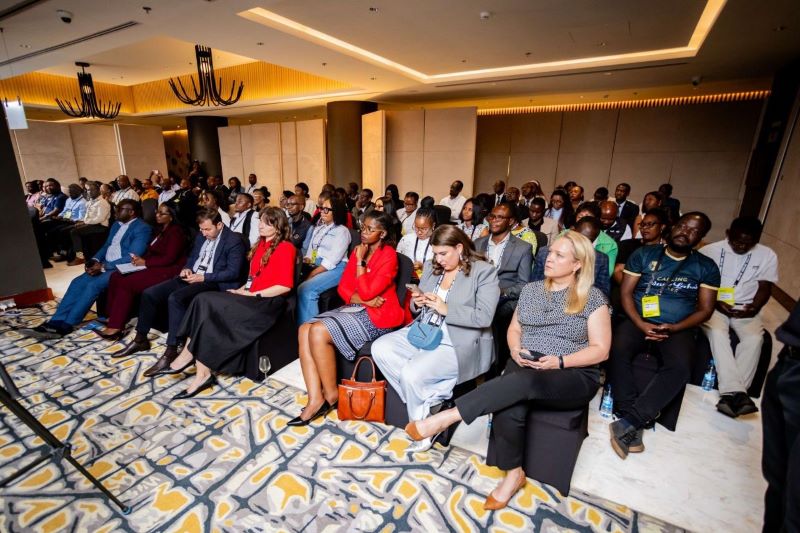
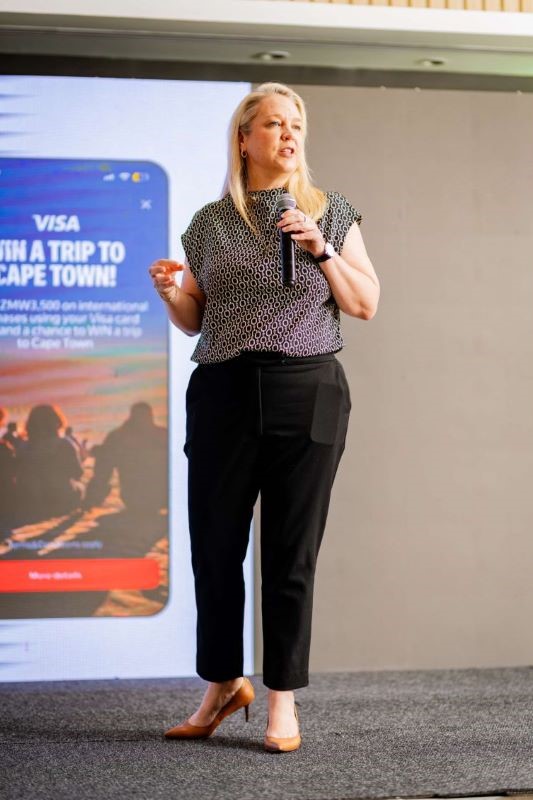
The appeal came during the launch of Yango ADs Connect, a digital advertising platform designed to help businesses reach targeted audiences through data-driven marketing solutions.
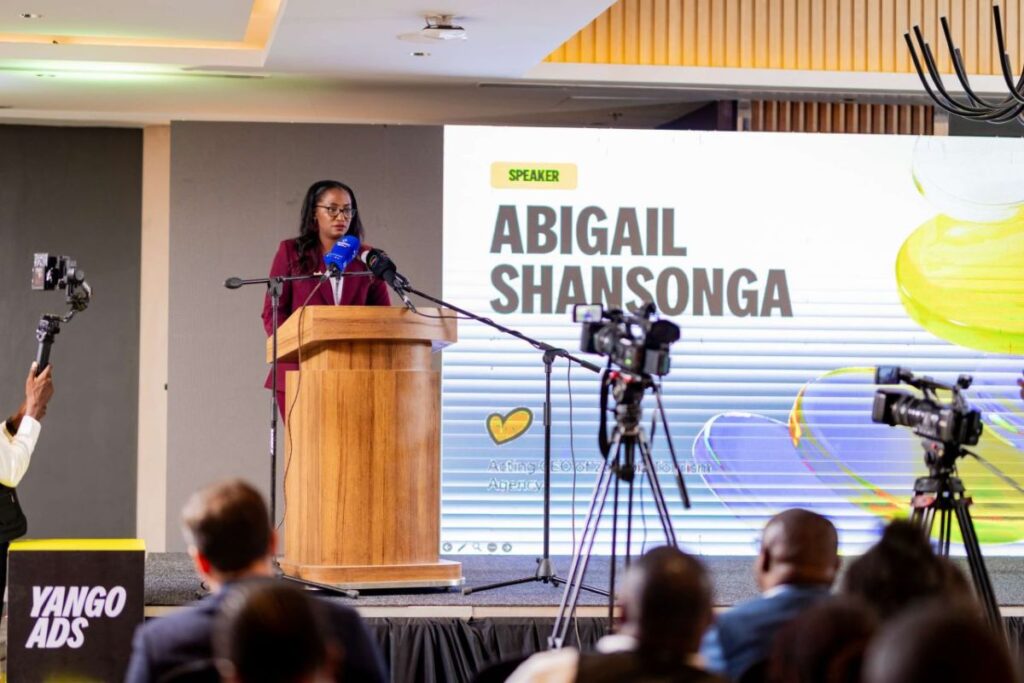
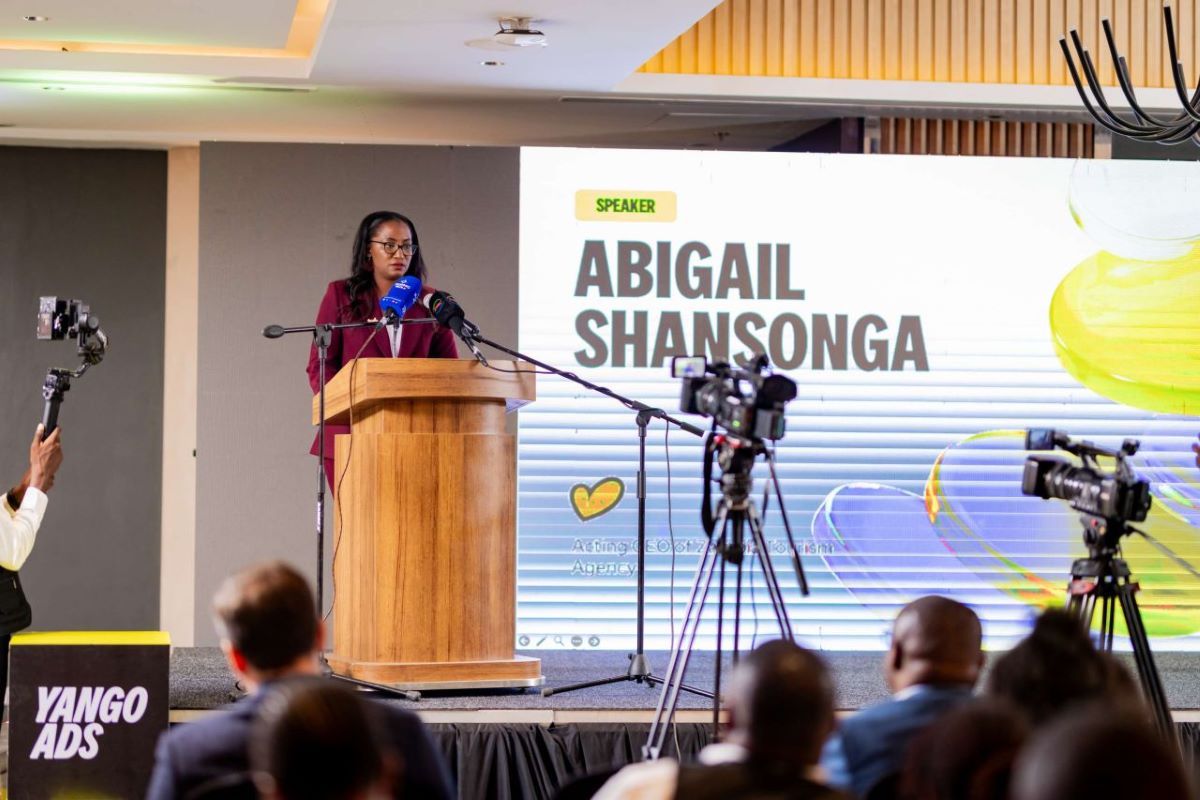
Speaking at the event, Ministry of Tourism Permanent Secretary Mr. Evans Muhanga, represented by Zambia Tourism Agency (ZTA) Acting Chief Executive Officer Ms. Abigail Shansonga, highlighted how digital technologies are reshaping the traveler journey—from discovery and planning to booking and on-ground experiences.
“Digital technologies are increasingly shaping how travelers discover destinations, plan trips, and make bookings. We must leverage these tools to maximize our potential,” Ms. Shansonga said, delivering remarks on behalf of the Permanent Secretary.
A Target of Five Million Visitors
Ms. Shansonga underscored that tourism remains a cornerstone of the Government’s Grow Zambia Agenda, with an ambitious target of attracting five million international tourist arrivals by 2031.
She noted that digital advertising offers a powerful mechanism to reach international markets, convert interest into actual bookings, and encourage visitors to explore beyond Zambia’s most well-known attractions.
“Achieving our 2031 target requires us to meet travelers where they are—online. Digital platforms allow us to tell our story, showcase our products, and connect directly with potential visitors,” Ms. Shansonga said.
She specifically highlighted the opportunities available to small and medium-sized tourism enterprises (SMEs), including community-based businesses. By adopting digital platforms and AI-assisted tools, these enterprises can expand their market reach, compete more effectively, and attract a wider audience of conscious travelers.
Strengthening the Tourism Value Chain
Ms. Shansonga also pointed to the potential for technology firms like Yango to play a pivotal role in strengthening the tourism value chain. By integrating local attractions, accommodation providers, restaurants, transport operators, and cultural experience hosts onto digital platforms, visitors can enjoy seamless, end-to-end travel experiences.
Tech Giants Enter the Tourism Space
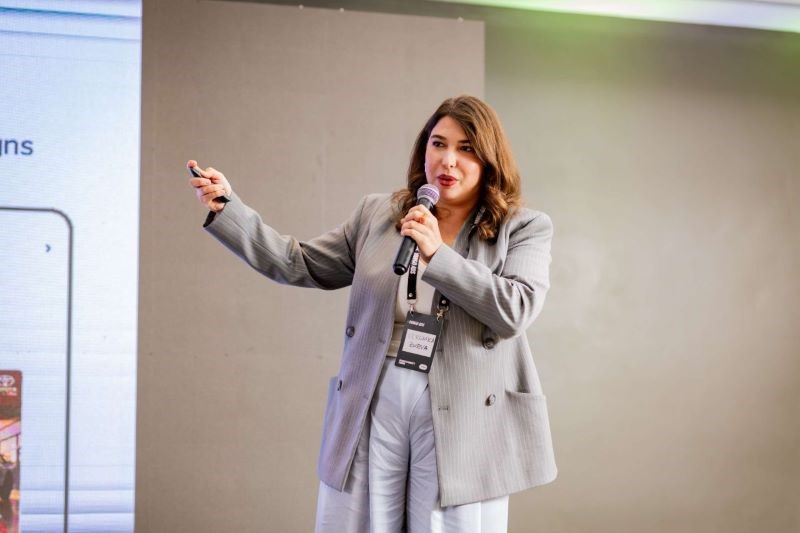
Yango Country Manager Ms. Kabamba Chewe echoed the sentiment, noting that digital innovation is fundamentally transforming how businesses connect with customers, promote products, and access new markets.
“Yango ADs Connect provides businesses with the tools to reach relevant audiences, improve customer engagement, and drive measurable growth,” Ms. Chewe explained.
She added that digital advertising presents significant opportunities for Zambia’s tourism sector, enabling the promotion of local destinations, unique tourism experiences, and SMEs to wider, global audiences.
Public-Private Partnerships for Sustainable Growth
The engagement highlighted the growing importance of public-private partnerships in harnessing technology to strengthen tourism marketing. By combining government strategy with private-sector innovation, Zambia aims to expand business opportunities, support sustainable tourism growth, and ensure that the economic benefits of tourism reach local communities.
As the country races toward its 2031 visitor target, the integration of AI and digital advertising into tourism marketing may well prove to be a decisive factor in Zambia’s ability to compete on the global stage.