
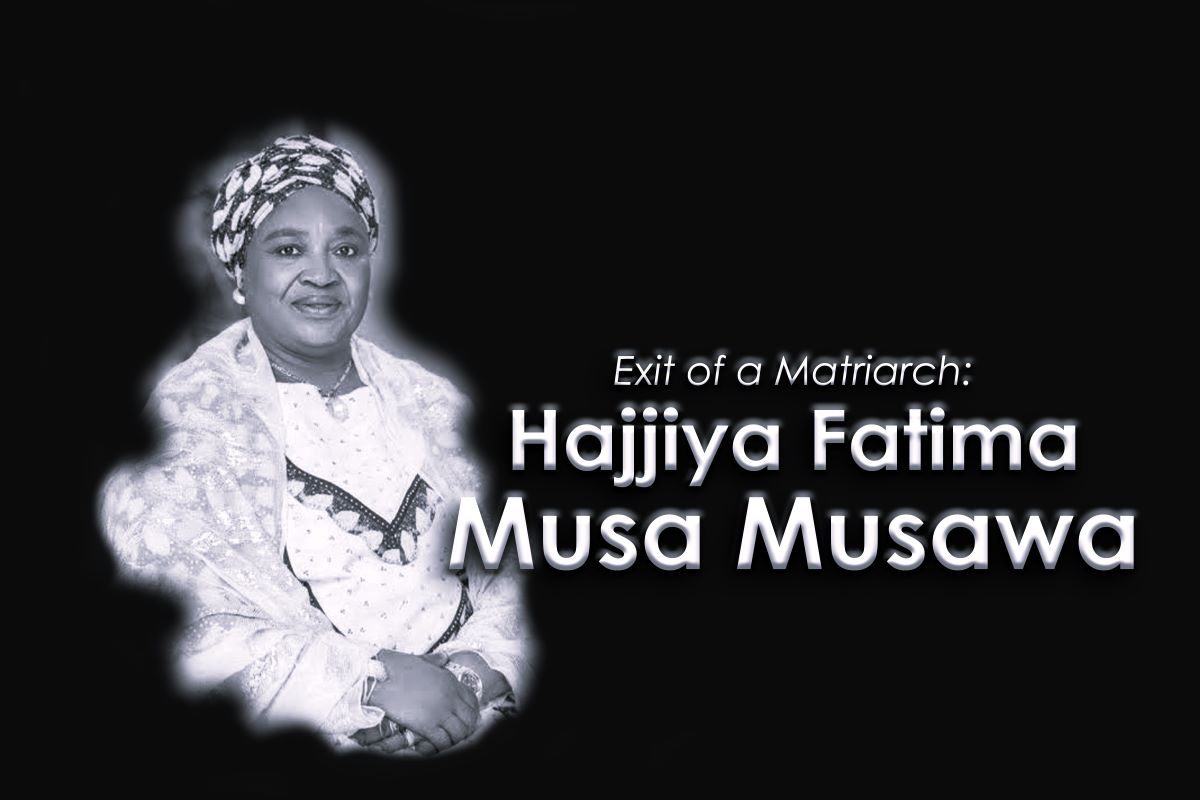
Hajjiya Fatima Musa Musawa: Exit of a Matriarch
Reflecting on the passing of the mother of Nigeria’s Minister of Arts, Culture, Tourism and Creative Economy
There are moments when the demands of public office fade into the background and remind us that beneath every title, every position, and every public achievement is a human being shaped by family, love, sacrifice, and heritage.
Such a moment recently unfolded as Nigeria’s Minister of Arts, Culture, Tourism and Creative Economy, Barrister Hannatu Musa Musawa, announced the passing of her beloved mother, Hajjiya Fatima Musa Musawa. While condolences have poured in from government officials, cultural stakeholders, tourism practitioners, creative industry players, and ordinary Nigerians, the loss extends beyond a private family grief. It is a poignant reminder of the enduring role mothers play in nurturing leaders, preserving values, and transmitting cultural identity from one generation to the next.
In a country where family remains one of society’s strongest institutions, the passing of a matriarch resonates deeply, not only within her immediate household but across the wider community whose lives she helped shape.
The Woman Behind the Leader
Public figures are often celebrated for their accomplishments, policies, and professional achievements. Yet behind every successful leader stands a network of influences, among which parents frequently play the most significant role. Though much of Hajjiya Fatima Musa Musawa’s life was lived away from the national spotlight, her greatest legacy may well be reflected in the character, resilience, and public service demonstrated by her daughter.
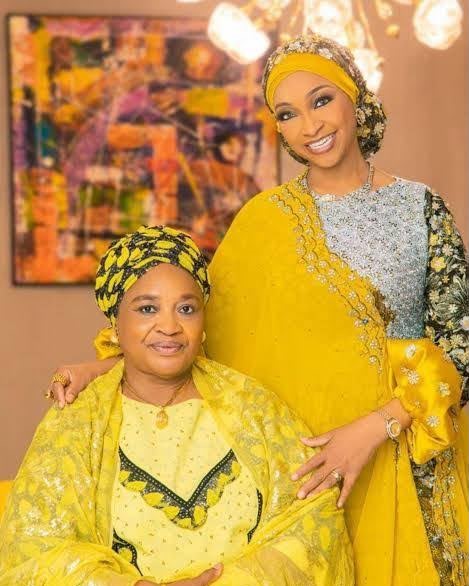
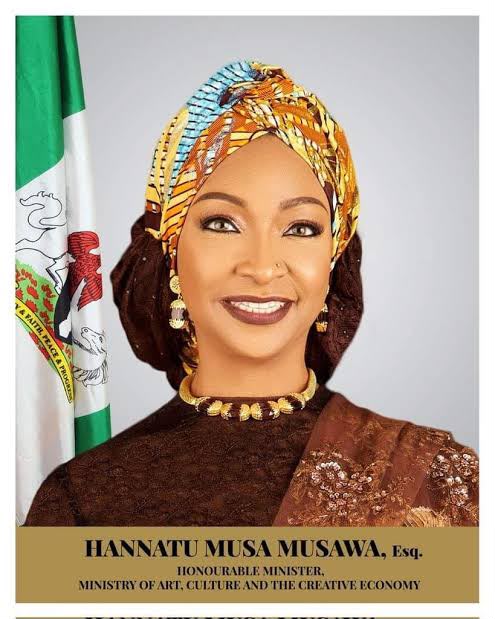
The story of many Nigerian mothers is one of quiet sacrifice. They nurture families through challenging economic realities, provide moral guidance, preserve traditions, and instill values that become the foundation upon which future generations build their lives.
In many African societies, motherhood extends beyond biological care. Mothers serve as custodians of history, teachers of culture, mediators of family relationships, and guardians of communal values. Their influence often transcends their homes and becomes embedded in the communities they serve.
Grief and Leadership
One of the most difficult realities of leadership is balancing public responsibility with personal sorrow. Public officials are often expected to continue functioning effectively even when facing profound personal loss. Yet grief reminds us that leadership does not diminish humanity.
Across cultures and generations, the death of a parent represents one of life’s most significant transitions. It marks the departure of a guide, a confidant, a source of wisdom, and often the individual who first taught life’s most important lessons. For Minister Musawa, this period undoubtedly carries both emotional pain and deep reflection.
As Nigerians extend sympathy to her family, there is also an opportunity to recognize the emotional burdens borne by those who serve in public office. Behind ministerial responsibilities, policy frameworks, and national assignments are individuals who experience loss, love, hope, and grief like everyone else.
Cultural Perspectives on Mourning in Nigeria
Nigeria’s rich cultural diversity offers unique perspectives on death and remembrance. Across the country’s various ethnic groups, mourning is not viewed solely as an occasion of sadness but also as an opportunity to celebrate a life well lived.
From the elaborate funeral rites of Southern Nigeria to the solemn Islamic burial traditions of Northern communities, remembrance ceremonies often emphasize gratitude, legacy, and continuity. These traditions reinforce an important cultural principle: while physical life ends, the impact of a person’s values, teachings, and contributions endures.
In many communities, elders are regarded as living repositories of history and wisdom. Their passing therefore represents not only a family loss but also the departure of a bridge connecting generations. The death of a respected mother and matriarch often prompts collective reflection on heritage, identity, and family values, principles that remain central to Nigeria’s cultural landscape.
Mothers as Custodians of Heritage
For those engaged in tourism, culture, and heritage preservation, the loss of an elder carries an additional significance. Across Africa, heritage is not preserved solely through monuments, museums, and historical sites. It is also transmitted through stories, customs, songs, languages, recipes, beliefs, and family traditions.
Mothers frequently play a central role in safeguarding these intangible aspects of heritage. They are often the first storytellers children encounter. They teach traditional greetings, local proverbs, family histories, and cultural practices. They pass down recipes that become symbols of identity. They preserve memories that might otherwise be lost.
In this sense, every mother serves as a cultural educator. Every grandmother becomes an archive. Every elder represents a living museum of experience. As Nigeria seeks to strengthen its cultural and tourism sectors, these realities remind us that heritage preservation begins at home long before it reaches museums, festivals, or tourism destinations.
A Nation Built on Family Values
The passing of Hajjiya Fatima Musa Musawa also offers a broader reflection on the importance of family in nation-building. Strong societies are often rooted in strong families. The values of integrity, empathy, discipline, respect, and service are usually first learned within the home. Parents shape future citizens. Mothers shape future leaders. Communities shape future nations.
As Nigeria continues its journey toward cultural and economic development, preserving these foundational values remains as important as investing in infrastructure, innovation, and institutions.
Indeed, many of the principles driving contemporary cultural development—identity, heritage preservation, community engagement, and social cohesion—find their origins in family structures that have endured for generations.
Celebrating a Legacy
While death brings sadness, remembrance invites gratitude. The true measure of a life is often found not in public recognition but in the lives touched, values imparted, and legacy left behind. As family, friends, and loved ones gather to honor the memory of Hajjiya Fatima Musa Musawa, they celebrate a woman whose influence continues through her children, family, and community.
Her story reflects the story of countless Nigerian mothers whose sacrifices may never make headlines but whose impact shapes the nation’s future every day.
Final Reflection
The passing of Hajjiya Fatima Musa Musawa is a solemn reminder that no position, title, or achievement exempts anyone from life’s universal experiences. It reminds us of the importance of family, the enduring influence of mothers, and the cultural values that bind communities together.
As the Minister of Arts, Culture, Tourism and Creative Economy navigates this difficult period, Nigerians join in offering prayers, sympathy, and support. May the soul of Hajjiya Fatima Musa Musawa rest in perfect peace. And may her legacy continue to inspire future generations, reminding us that behind every leader is often a mother whose love, sacrifice, and guidance helped make that journey possible.
Travels & Thrills Magazine extends its heartfelt condolences to Barrister Hannatu Musa Musawa, her family, and all who mourn the passing of Hajjiya Fatima Musa Musawa.