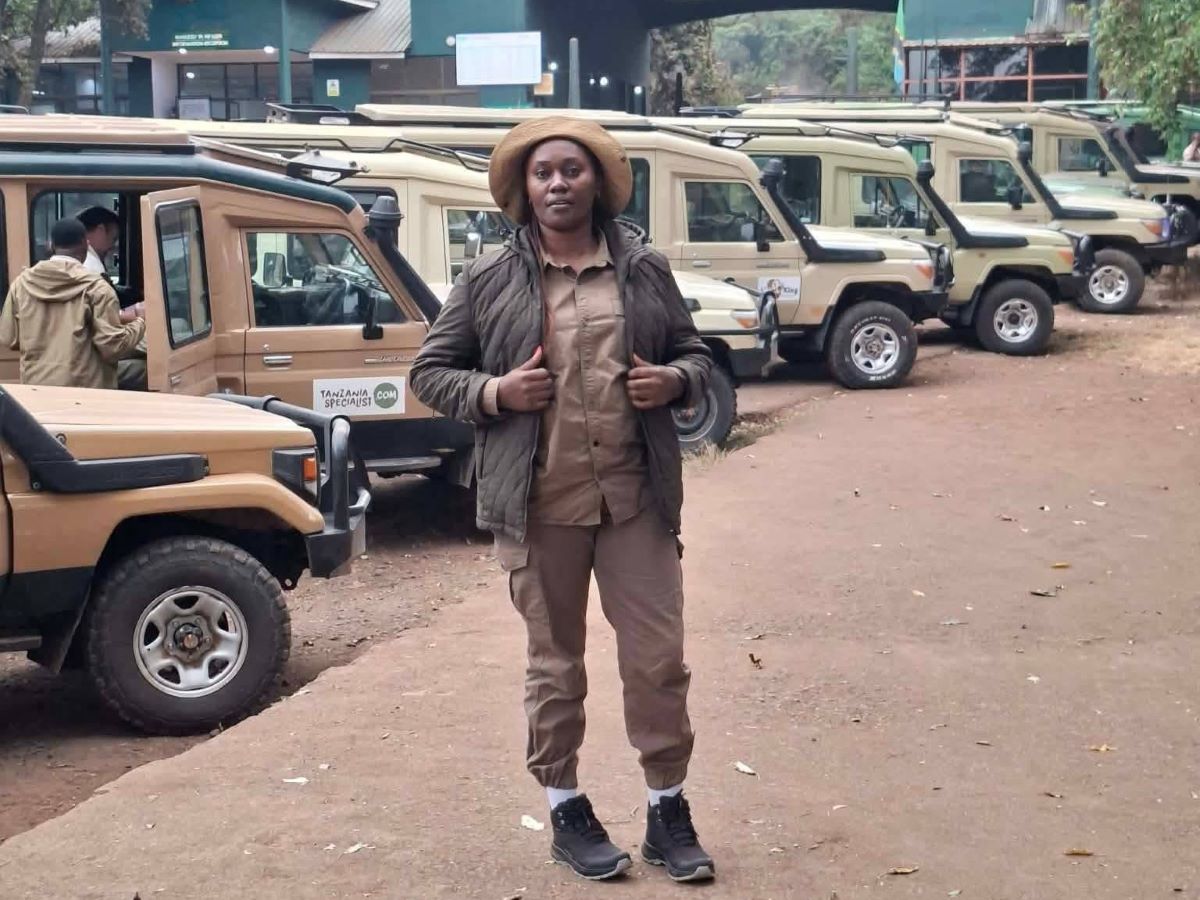
Lilian Mremi and the Human Side of Tanzania’s Safari Story
Tanzania’s safari industry is internationally recognised for its spectacular wildlife, vast wilderness, and unforgettable encounters with nature. Yet behind these experiences stand countless dedicated Tanzanians whose knowledge, courage, and passion shape the country’s conservation and tourism story. Among them is Lilian Mremi, a game scout whose journey offers an inspiring glimpse into the people working behind the safari experience.
Working as a game scout demands an intimate understanding of the African bush—observing wildlife, reading animal behaviour, and operating within the wider framework of wildlife management and conservation. Central to Lilian’s story is the relationship between tourism, wildlife, and local communities. Just as significant is what she represents: proof of the contribution women can make in Tanzania’s traditionally male-dominated wildlife sector.
In doing so, Lilian challenges the notion that safari and conservation are careers reserved for men. Through her work and public storytelling, she has become an example of a Tanzanian woman building professional expertise in the wilderness and sharing that knowledge with audiences far beyond Tanzania’s borders. For the tourism industry, such stories matter—visitors increasingly want to understand not only the animals they see on safari, but also the people whose dedication makes those encounters possible.

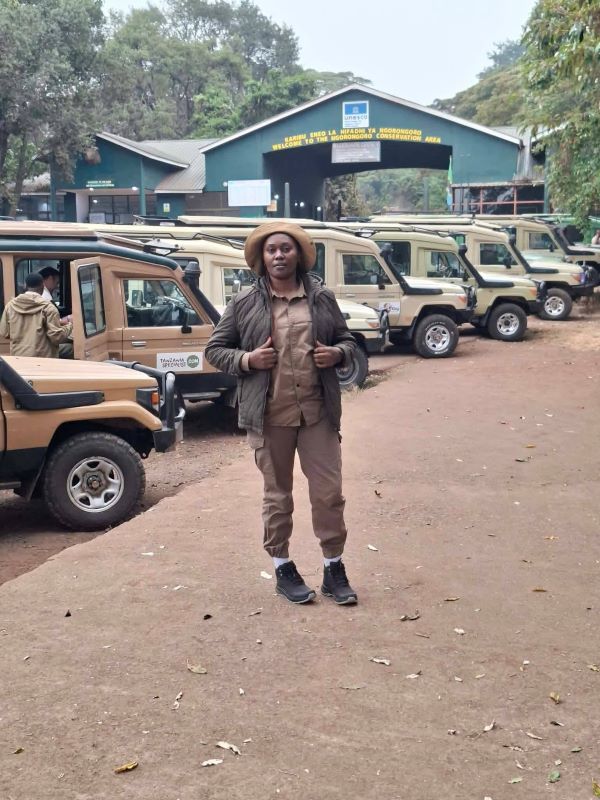
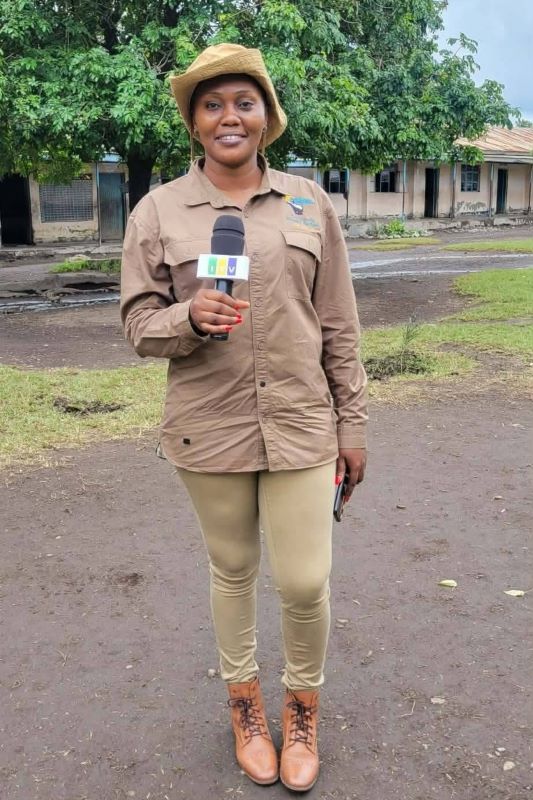
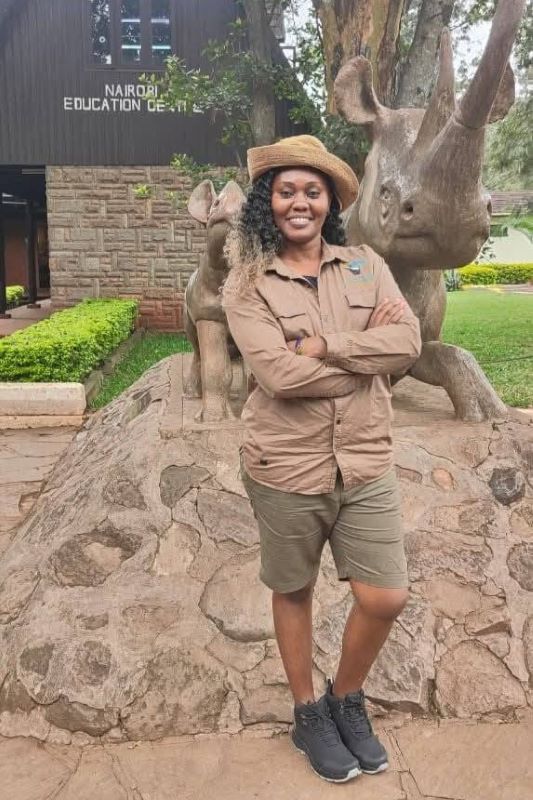

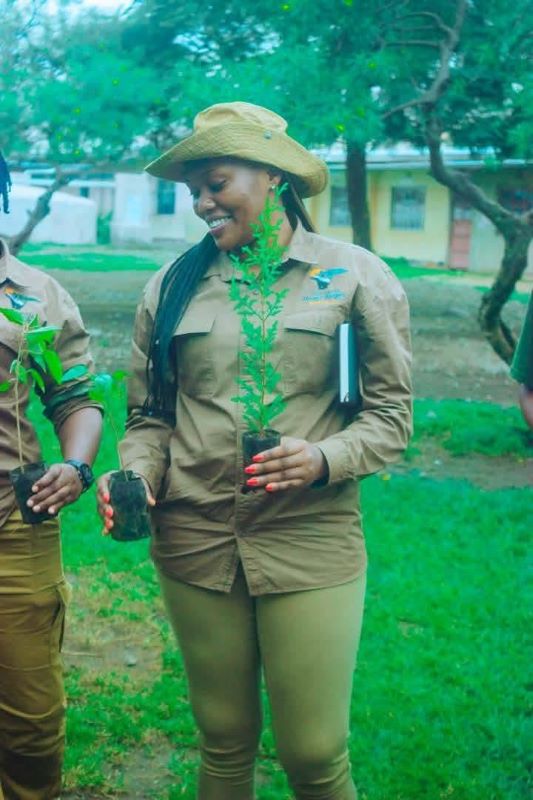
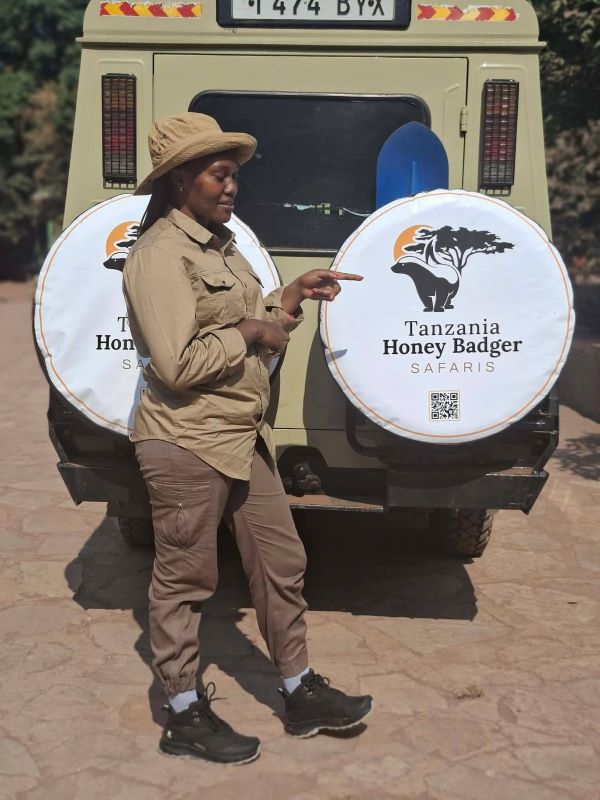
The safari industry is often presented through photographs of lions, elephants, giraffes, Mount Kilimanjaro, and the Serengeti. But behind every successful safari are people: guides, scouts, conservationists, drivers, hospitality workers, researchers, and communities. Lilian embodies this human side of Tanzania’s safari narrative. Her experience offers insight into the responsibilities that come with working in wildlife areas—and into why conservation must be understood from a local perspective.
As a female game scout whose story has reached international audiences, Lilian represents a vital human dimension of Tanzania’s conservation and safari heritage. Her journey shows how women can shape wildlife management, conservation education, and the broader tourism story—while helping visitors develop a deeper appreciation of Africa’s wilderness.