From Chimpanzees to Gorillas: Egyptian Delegation Deepens “Green Diplomacy” in Bwindi
Following a groundbreaking visit to Kibale Forest, an official Egyptian delegation has traveled deeper into Uganda’s wild heart to Bwindi Impenetrable National Park. This leg of their journey highlights a strategic shift in regional cooperation, where environmental conservation meets economic diplomacy.
The visit to Bwindi serves as a cornerstone of the Economic and Commercial Diplomacy (ECD) framework, a bilateral initiative designed to strengthen ties between Uganda and Egypt through sustainable development and high-value tourism. If Kibale showcased the diversity of primates, Bwindi demonstrated the pinnacle of conservation excellence.
A Global Model for “High-Value, Low-Impact” Tourism
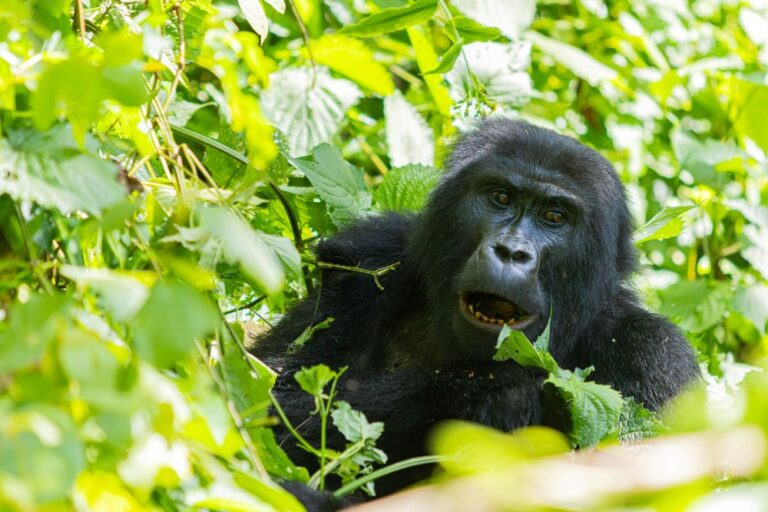
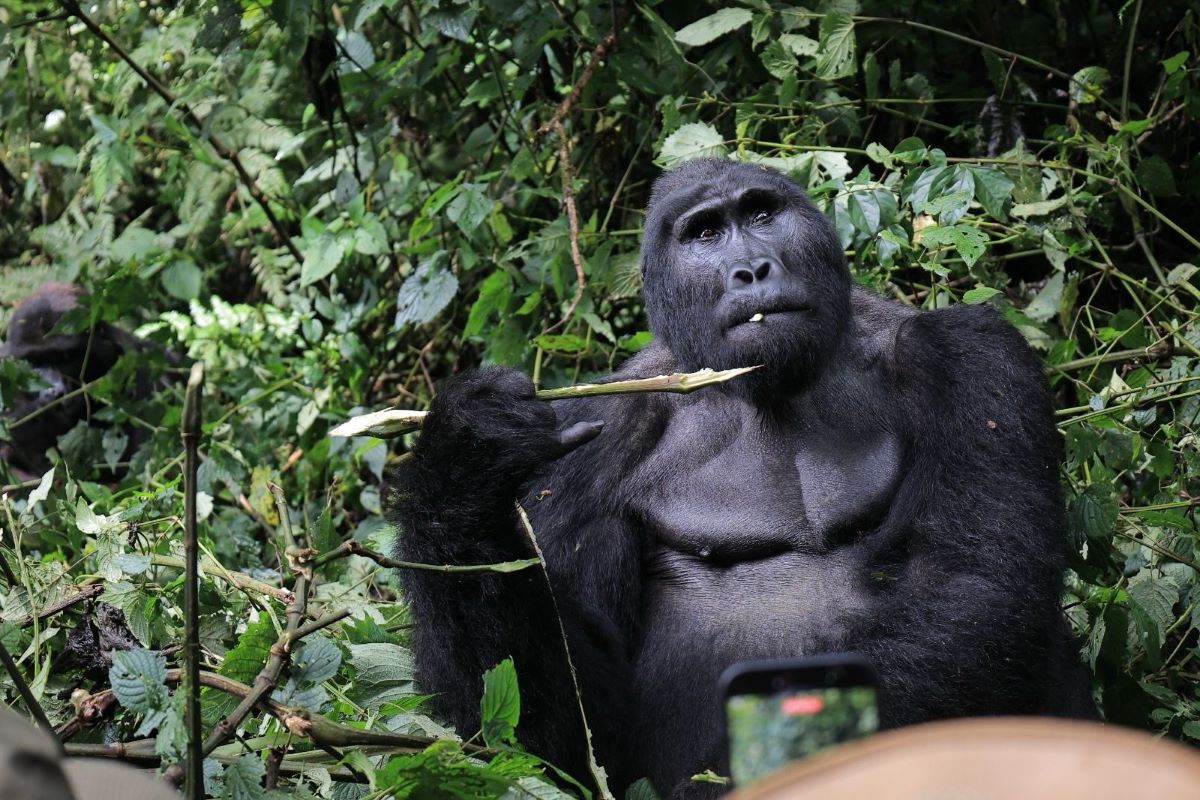
Bwindi Impenetrable National Park is not just a destination; it is a global case study in sustainable wildlife management. Home to over 460 mountain gorillas—nearly half of the entire global population—the park operates under a rigorous, controlled permit system that has become a benchmark for conservation worldwide .
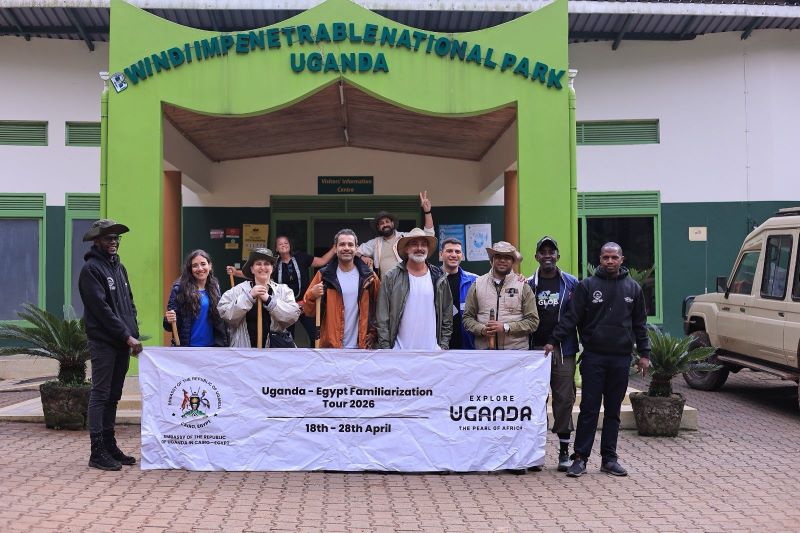
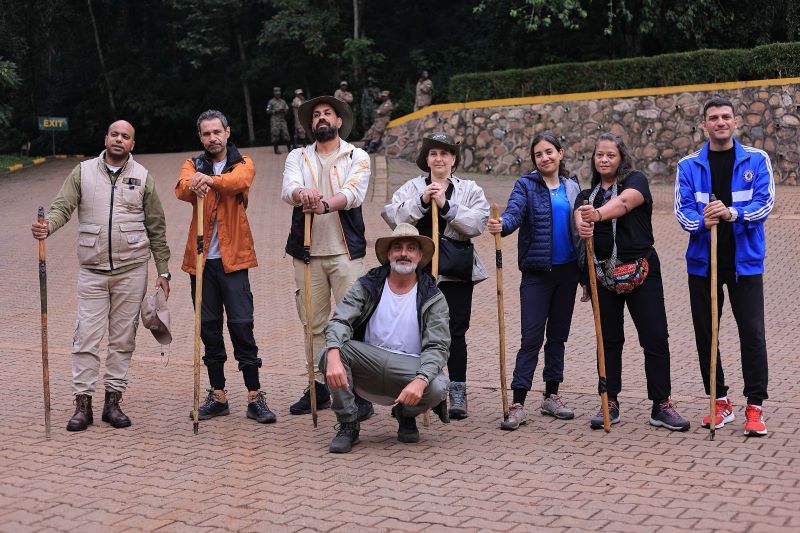
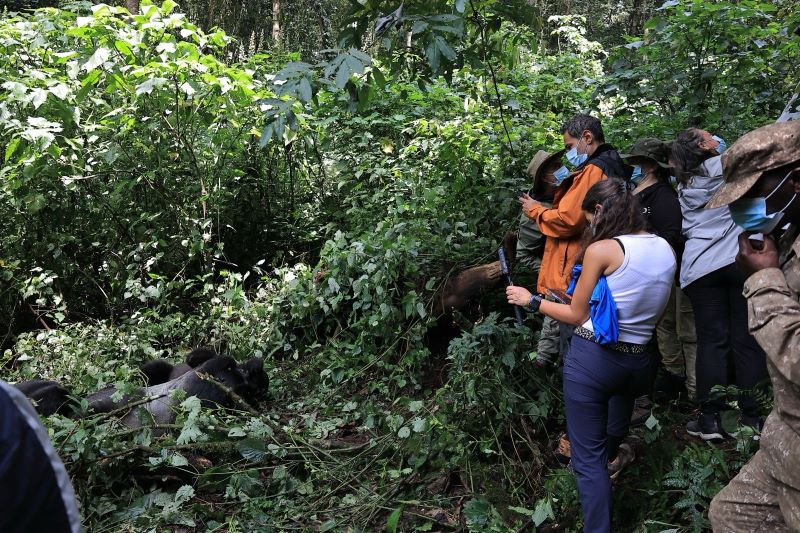
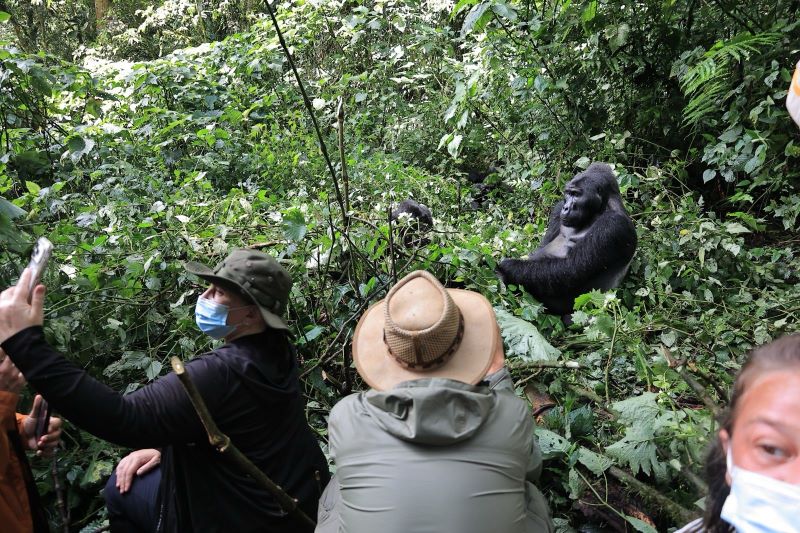
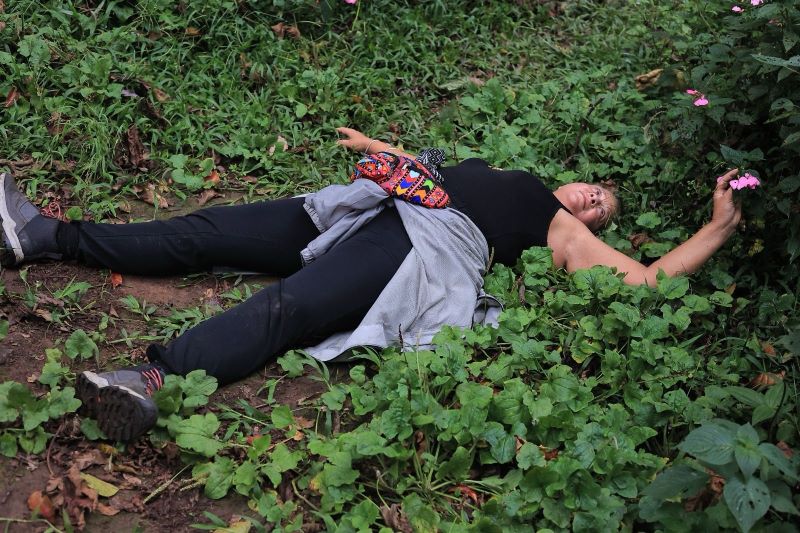
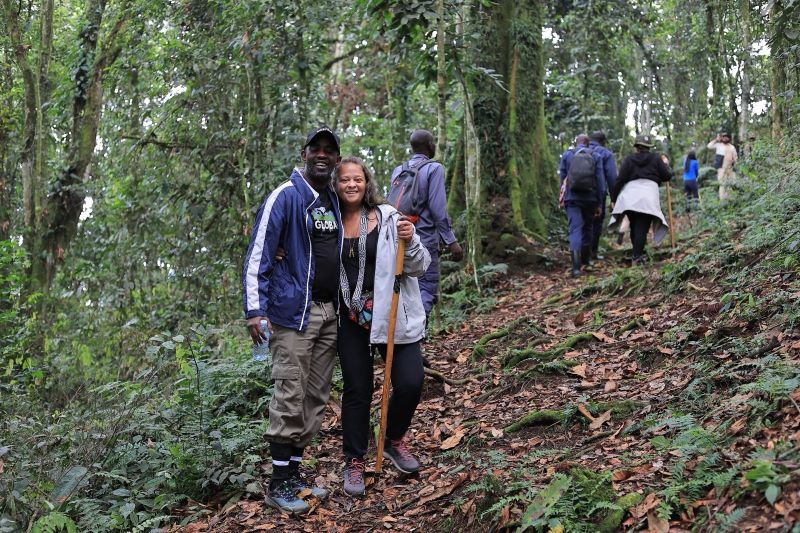
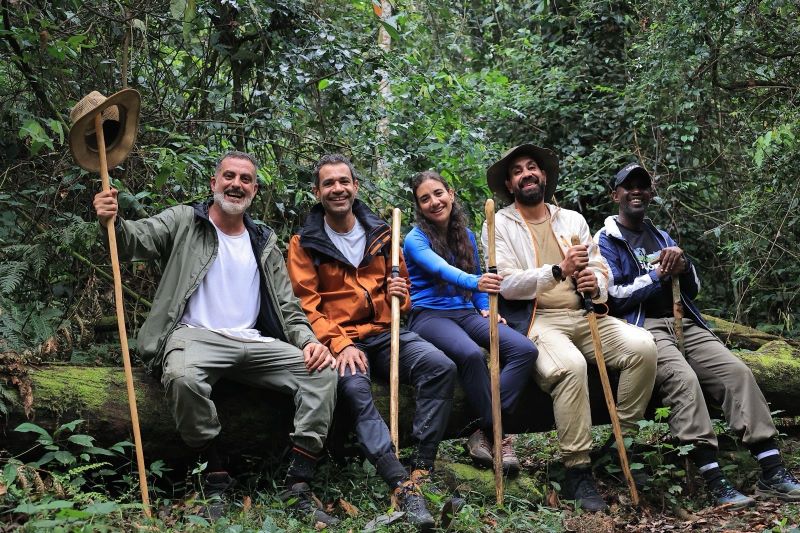
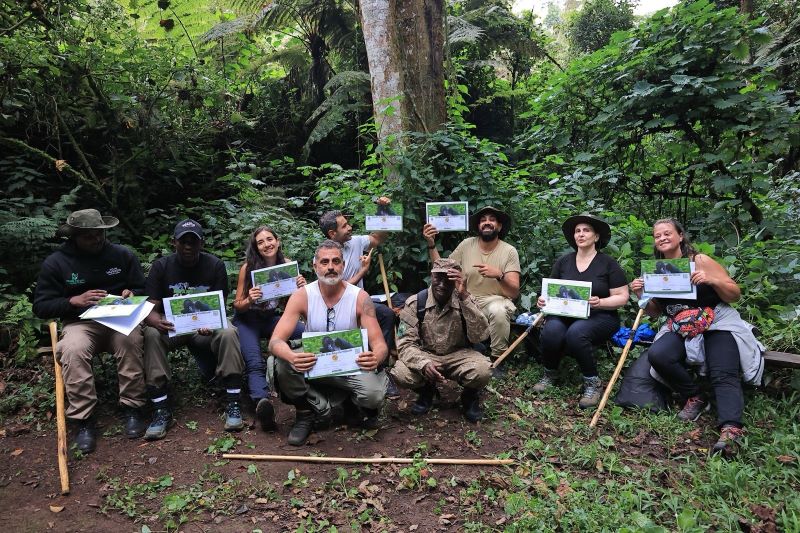
By limiting daily visits to just 36 permits, Uganda has perfected a model that delivers three critical outcomes:
- Optimal Conservation: Minimizing human interference to protect the endangered gorilla population from stress and disease.
- Sustainable Revenue: Generating significant foreign exchange that directly funds park management and community development.
- Biodiversity Protection: Safeguarding a UNESCO World Heritage Site that hosts over 120 mammal species and more than 350 bird species, including the rare African golden cat and the elusive duiker .
For the Egyptian delegation, witnessing this “high-value, low-impact” approach offered a tangible blueprint for preserving heritage sites while maximizing economic returns.
Driving the “Tenfold Growth Strategy”
According to the Ministry of Foreign Affairs, this partnership aligns directly with Uganda’s Tenfold Growth Strategy. This ambitious national initiative seeks to leverage the country’s natural assets to drive investment opportunities and long-term economic growth, moving beyond simple tourism statistics to create tangible value .
The engagement with the Egyptian delegation focused on three key pillars:
- Eco-tourism Development: Sharing best practices for managing world-class heritage sites like Bwindi.
- Conservation Financing: Exploring innovative ways to fund environmental protection through international partnerships and green bonds.
- Cross-border Synergy: Enhancing the “Cairo to Kampala” connection by linking tourism flows with shared economic interests in sustainable development.
“Uganda continues to demonstrate how environmental stewardship can align with economic growth, positioning its natural heritage as a driver of international engagement,” a Ministry spokesperson stated during the briefing.
Strengthening Regional Bonds Through “Green Diplomacy”
The visit to Bwindi underscores a deepening relationship between the two nations, moving beyond traditional political ties into the realm of “green diplomacy.” By showcasing Bwindi as a global biodiversity hub, Uganda is positioning itself as a strategic destination for international investors and partners interested in ethical, sustainable development.
As the #NileJourney continues, both nations look toward a future where the protection of Africa’s unique natural heritage serves as the foundation for shared prosperity and regional stability. From the rainforests of Kibale to the misty slopes of Bwindi, the message is clear: conservation is the new currency of African diplomacy